The key facts
- The ceasefire is in effect from October 27 until November 1; the first 30 hours passed without incidents
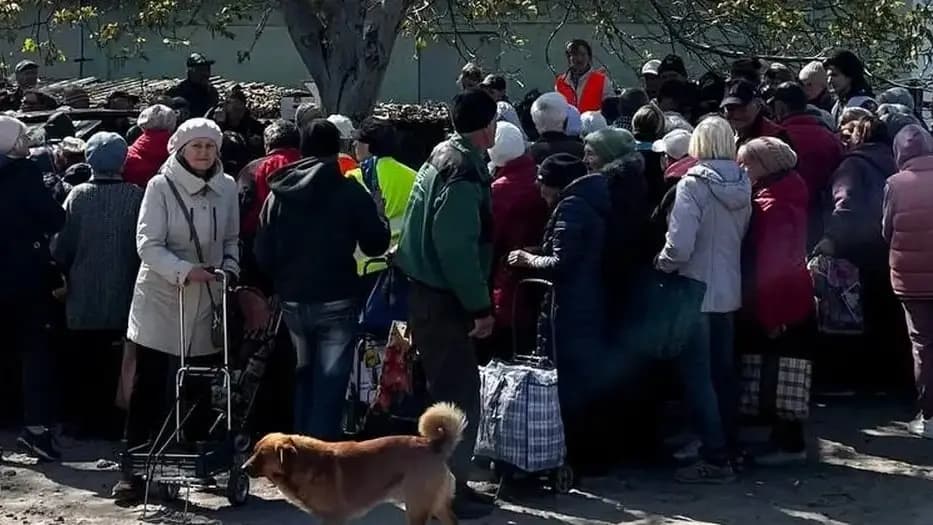
- About 2,000 residents remain in the city with no deliveries of food or medicines since May 2026
- The evacuation route through Russian territory raises fears of forced deportation
Ceasefire and evacuation plan
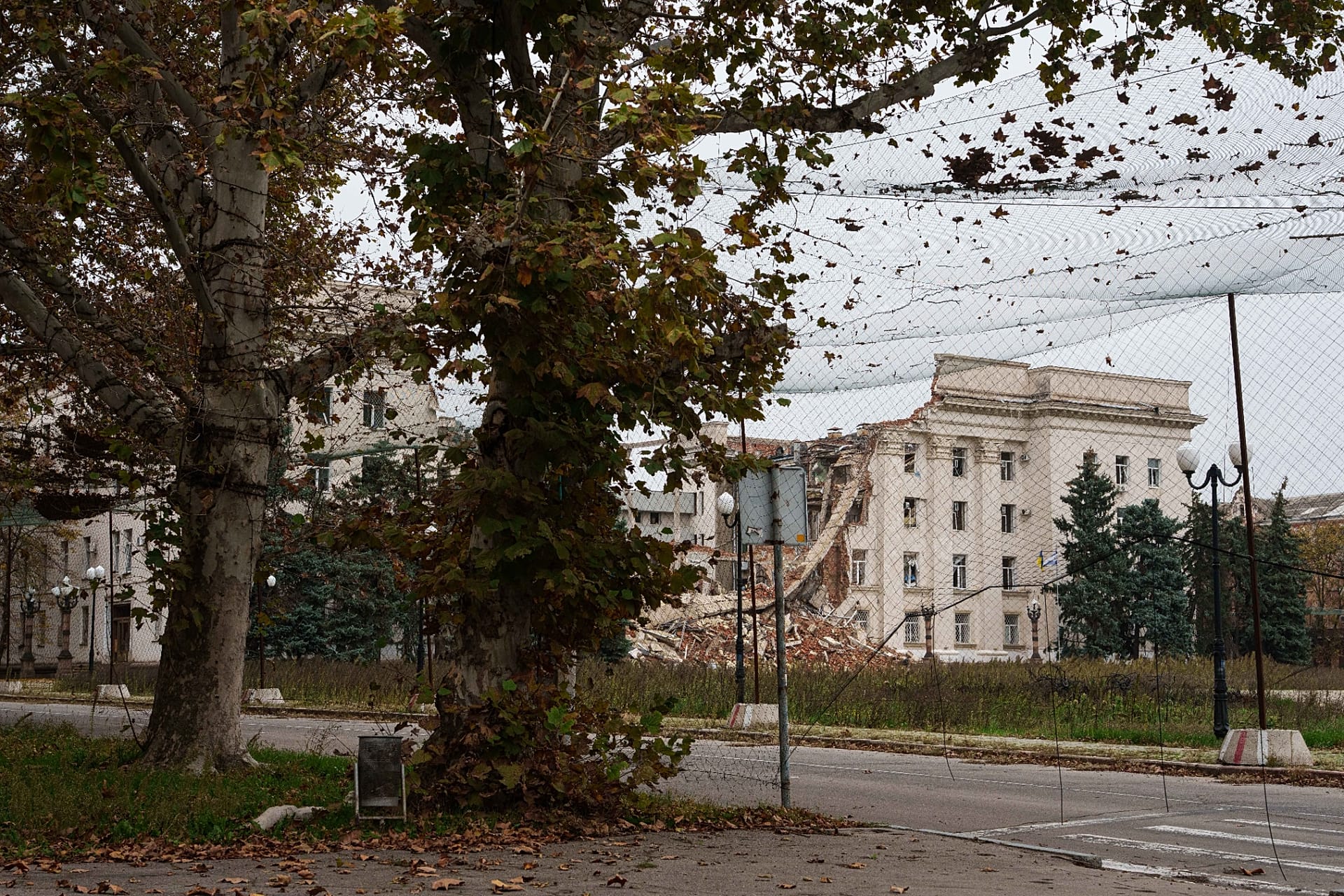
In the Russian-occupied city of Oleshky in Kherson region, a humanitarian operation has begun, agreed with the involvement of US First Lady Melania Trump. It includes a temporary ceasefire, delivery of aid, and preparations for the evacuation of civilians. The ceasefire came into force on Tuesday, October 27, and is to remain in effect until November 1. According to Ukrainian ombudsman Dmytro Lubinets, the first 30 hours passed 'without a single incident'. This is reported by Euronews.
The key question: where will those who leave be taken
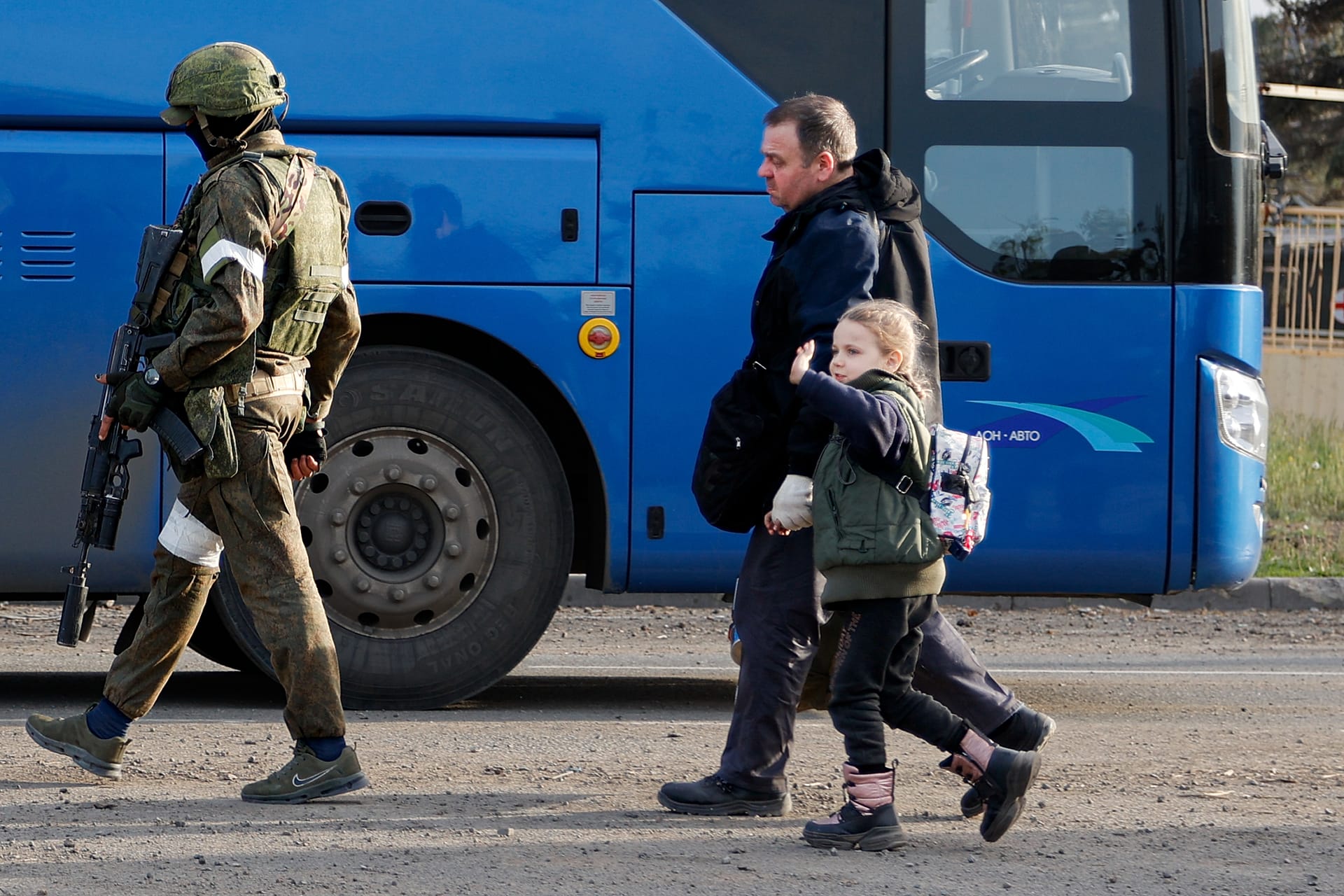
According to available information, residents who agree to leave the city may first be taken by buses to occupied Crimea or to Russia and only then given the opportunity to travel onward. This has raised fears of forced deportation and reminders of 2022, when residents of Mariupol and other occupied areas on the Sea of Azov coast were taken to Russian territory, where many underwent so-called filtration — interrogations, searches, and the collection of biometric data. Human Rights Watch documented cases in which civilians had no real choice of route, and Amnesty International recorded testimonies of beatings, torture with electric shocks, and threats of execution during detentions at filtration. Both organizations concluded that forced transfers constitute war crimes and may qualify as crimes against humanity. As Euronews notes, transit through Russia or Crimea is not in itself deportation — the key question is whether the departure is genuinely voluntary and whether people retain freedom of movement.
Statements from Moscow
Russia rejects suggestions of a possible forced removal of residents, insisting that the evacuation will take place only with their consent. However, Russian Presidential Commissioner for Human Rights Yana Lantratova heightened these concerns by stating that Oleshky is Russian territory where only Russian legislation applies, even though the city remains an internationally recognized part of Ukraine. She also claims that relatively few residents wish to leave, and that the mission will deliver food, medicines, and hygiene supplies. Ukrainian officials declined to comment on the details of the evacuation, citing the sensitivity of the operation and the fragility of the ceasefire.
Years of isolation
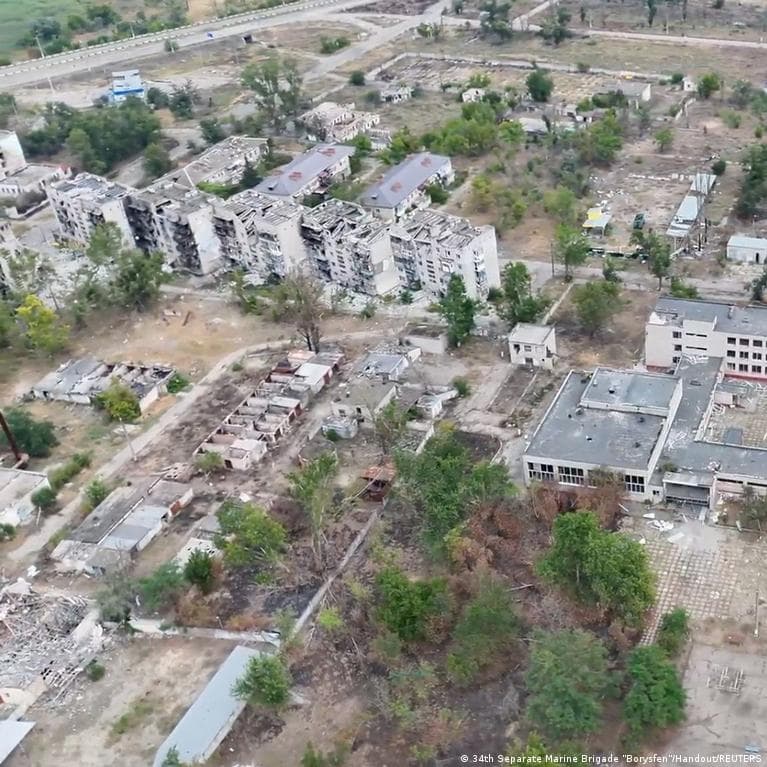
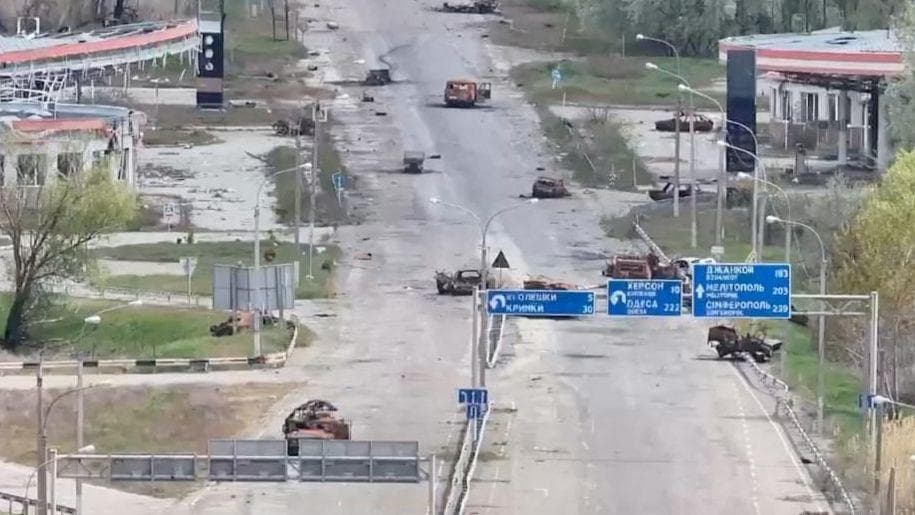
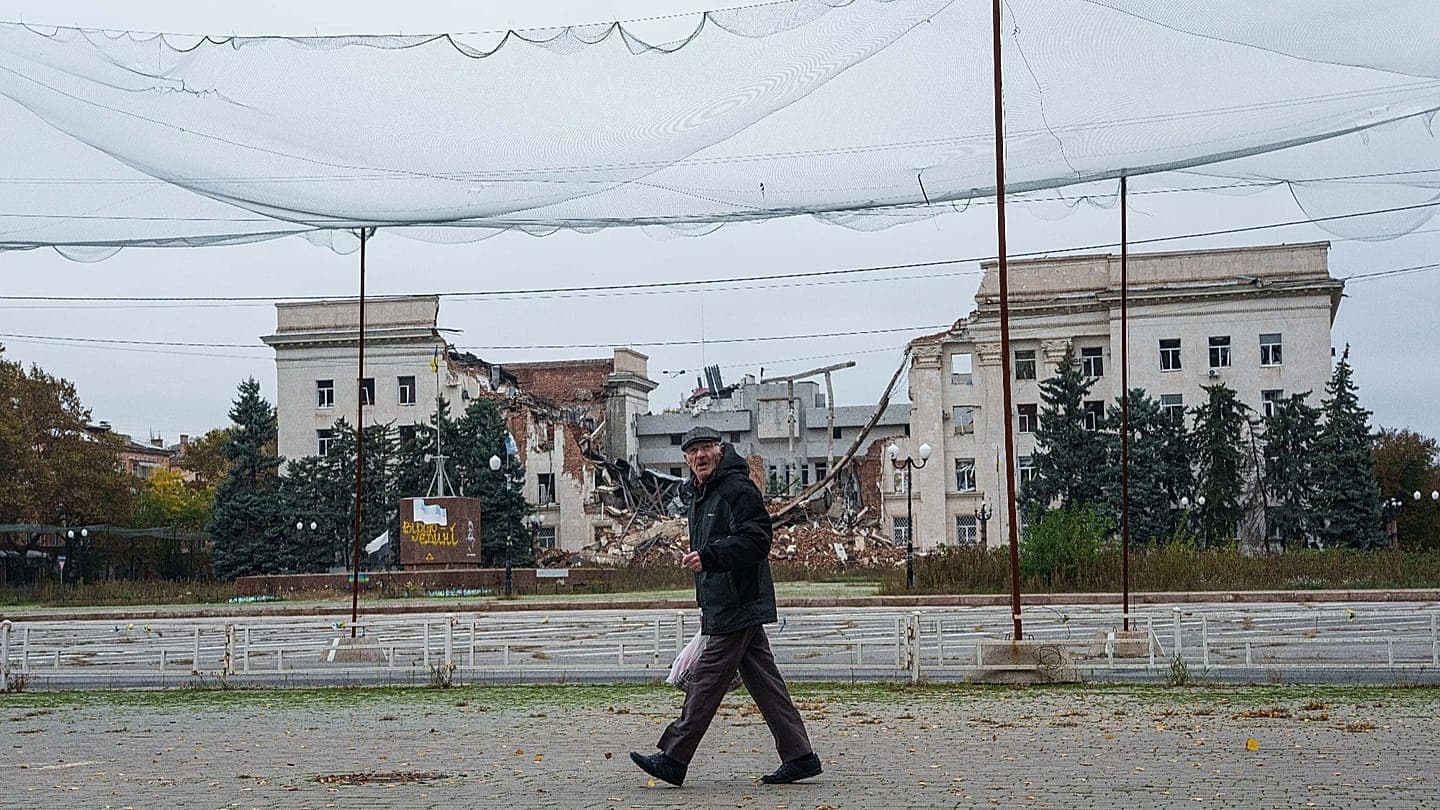
Oleshky, located opposite the Ukrainian-controlled city of Kherson across the Dnipro River, has been occupied since the first days of the full-scale invasion in February 2022. According to the Institute for the Study of War (ISW), the occupation authorities stopped deliveries of food and other essential items at the end of December 2025, and from May 2026 no food or medicines reached the city at all. According to the think tank, Moscow rejected Ukrainian proposals for local humanitarian ceasefires in May, July, and September, as a result of which Ukrainian forces delivered food by drones; ISW holds the occupation authorities responsible for the humanitarian crisis. About 2,000 residents remained in the city amid an acute shortage of food and medicines. The outcome of the operation will depend not only on whether the ceasefire holds and aid arrives, but also on whether those who wish to leave can do so freely and reach a destination of their own choosing.