The key facts
- The ceasefire in Oleshky took effect on October 27 at 3:00 a.m. Kyiv time; demining of roads began at 8:00 a.m.
- About 2,000 people remain in the city; the Save Ukraine foundation estimates the potential coverage of the evacuation at roughly 500 people.
- The evacuation route has not been officially announced; the foundation's lawyer considers a route through occupied territories and possibly Russia likely.
Ceasefire and the start of preparations
In Oleshky, a city in Kherson region occupied by Russian troops, a ceasefire has been in effect since October 27, and after it came into force, preparations began for the evacuation of residents cut off from the outside world. This is reported by Deutsche Welle, citing an interview with Save Ukraine foundation lawyer Myroslava Kharchenko. According to her, the ceasefire took effect on October 27 at 3:00 a.m. Kyiv time (4:00 a.m. Moscow time), and around 8:00 a.m. the demining of roads began. There is no information yet on when the evacuation itself will start: all participants in the operation have been instructed to maintain strict confidentiality, and statements from both sides are extremely cautious.
The situation of the city's residents
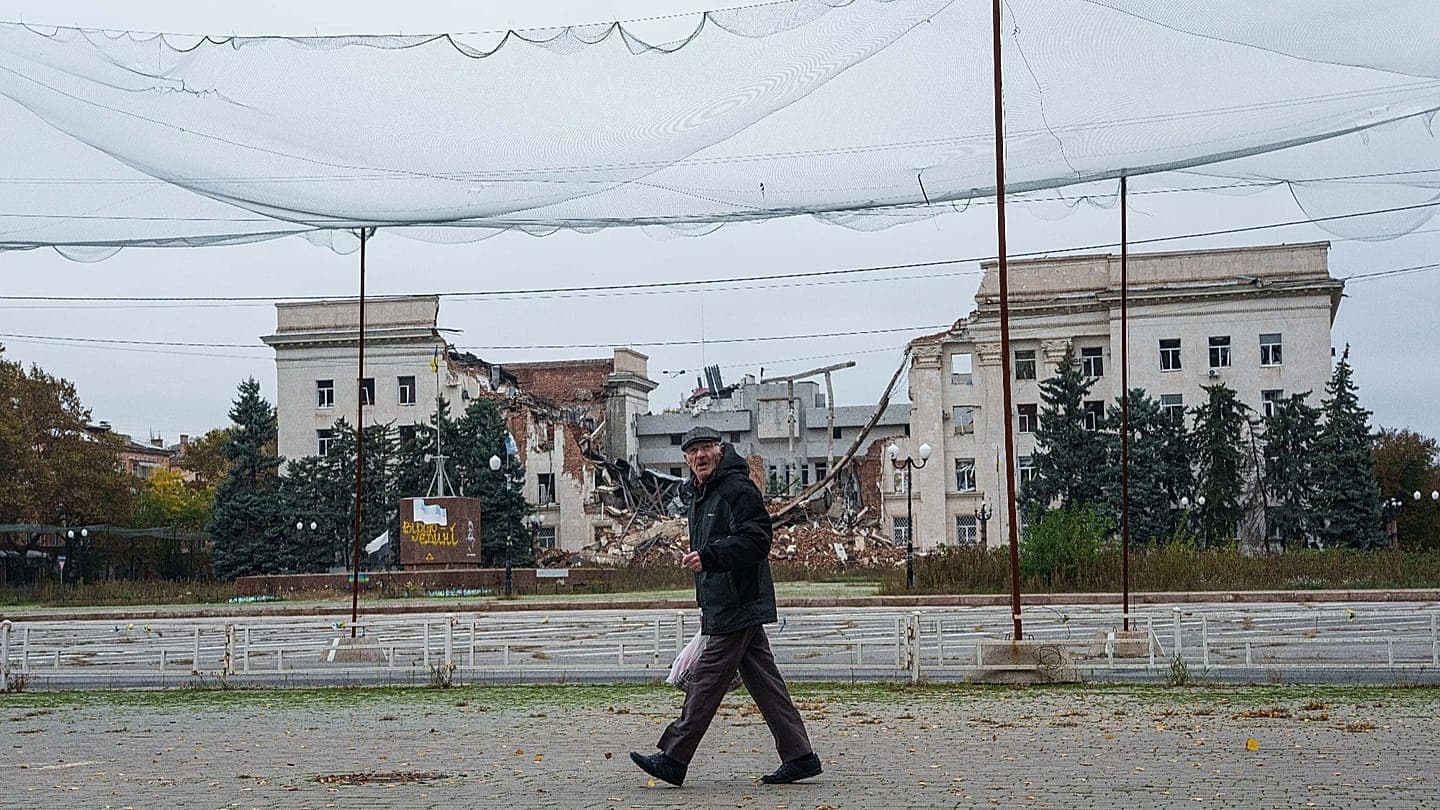
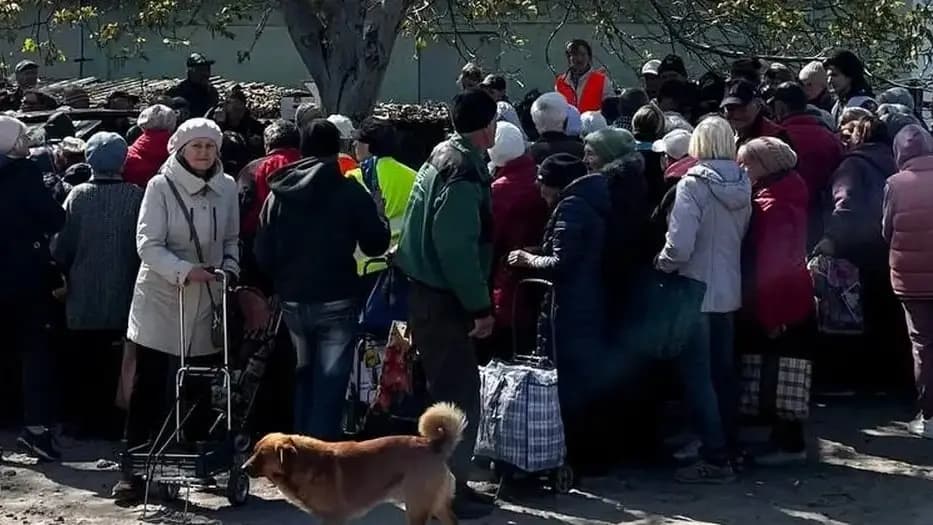
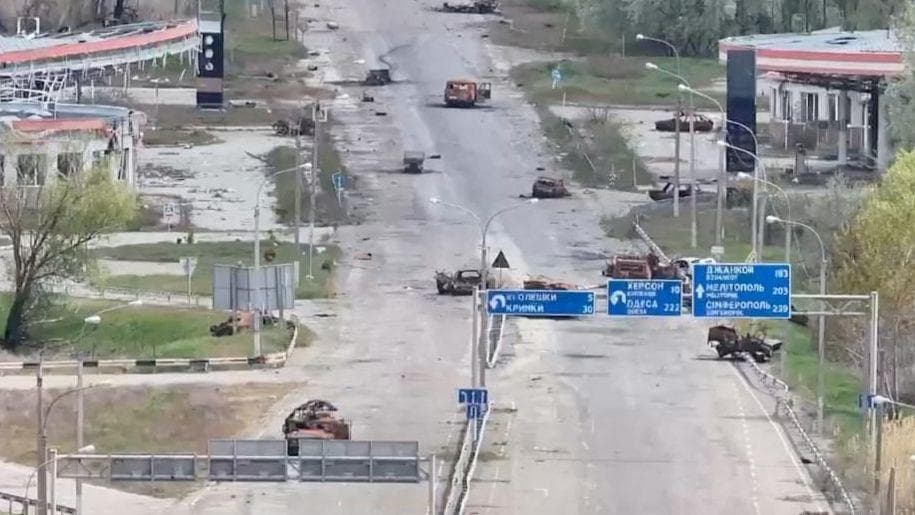
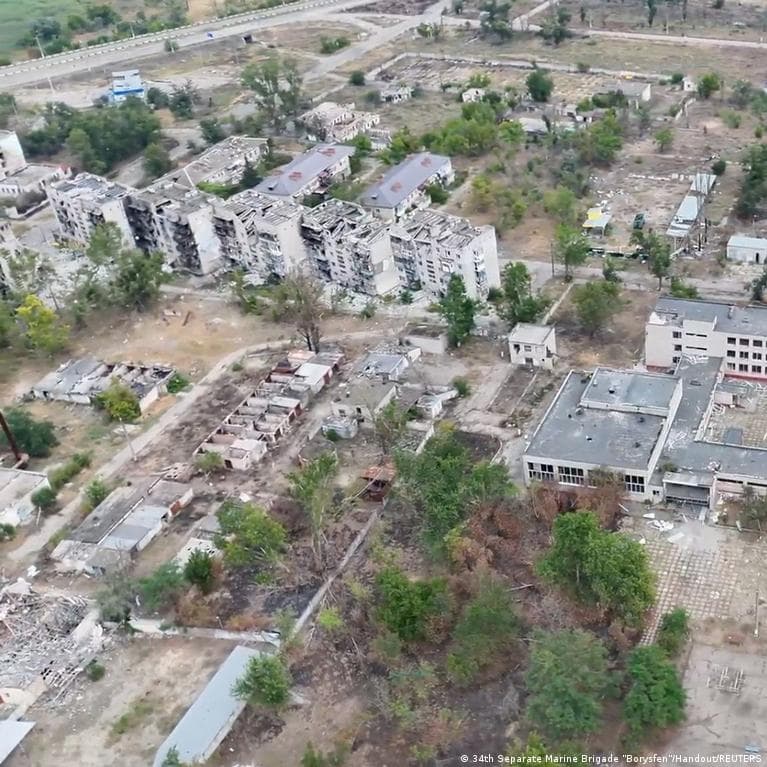
Oleshky, located on the Dnipro River, was occupied by Russian troops in 2022, and in 2023 the city suffered flooding after the destruction of the nearby Kakhovka hydroelectric power plant. All access roads were mined. Former residents who managed to escape and spoke with DW described hunger and the lack of access to medicine, electricity and water; according to the outlet, about 2,000 people remain in the city. DW previously wrote about hunger in Oleshky and Ukraine's request for an evacuation.
How the evacuation is being prepared
Over the past six months, the Save Ukraine foundation has evacuated at least 300 civilians from Oleshky. Now, according to Kharchenko, information is being gathered through closed local chats: registration lists and questionnaires are being distributed, organizers are contacting those who previously requested evacuation, and are clarifying date of birth, place of residence and the contacts of neighbors or relatives — communication in the city is extremely unreliable. Health information is also being collected: among those wishing to leave there are sick people, people with limited mobility, and those recovering from injuries, including mine-blast injuries, so the foundation expects the organizers to provide medical assistance.
Route, timing and residents' caution
The route of the corridor has not been officially announced. Kharchenko noted that the river route would be extremely dangerous and there is no confirmation that it has been approved; in her assessment, the evacuation will likely pass through temporarily occupied Ukrainian territories and possibly through Russia before people reach Ukraine. The evacuation is not planned to take place in a single day — the foundation considers this the right approach, hoping that those who leave successfully will become an example for the rest. According to the foundation's estimate, about 500 people may ultimately be evacuated. Residents view the plans with apprehension: there have been numerous provocations, and this is not the first attempt to organize such a corridor, so some people may not dare to leave at the first stage.
What still needs to be done
In addition to the demining of roads leading into the city, many streets inside Oleshky are also mined, so additional work will be needed to secure the routes. Kharchenko also said that people from the hospital need to be evacuated from the city, and the bodies from the nearby morgue will probably have to be removed — they will need to be identified and the causes of death established; she does not know whether this will fall within the framework of the humanitarian corridor. She was unable to predict when the physical evacuation would begin. Separately, the foundation thanked Melania Trump for drawing attention to the humanitarian catastrophe in Oleshky — the ceasefire in the city became part of initiativesconnected with her appeals on issues of the war, which DW previously reported on.