The key facts
- Netanyahu's bloc — 53 seats, Likud — 26; Eisenkot's bloc — 48; Arab parties — 19 (best result in history)
- A majority requires 61 of 120 seats; official results on November 4
- Both leaders have claimed the right to form a government; the coalition process allows 28 days with a possible 14-day extension
Preliminary results
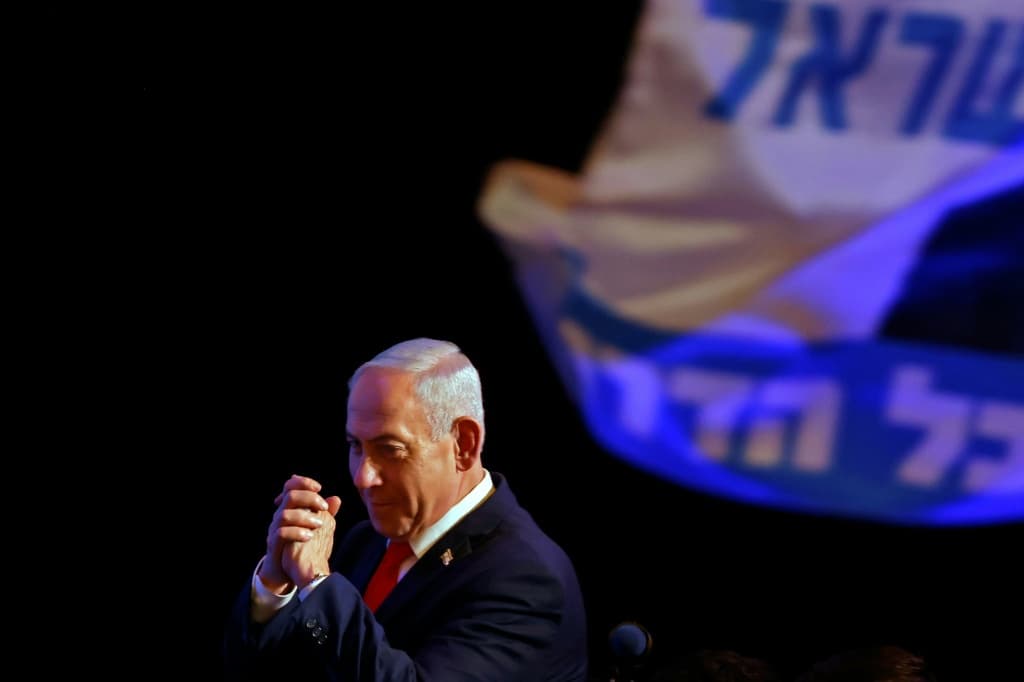
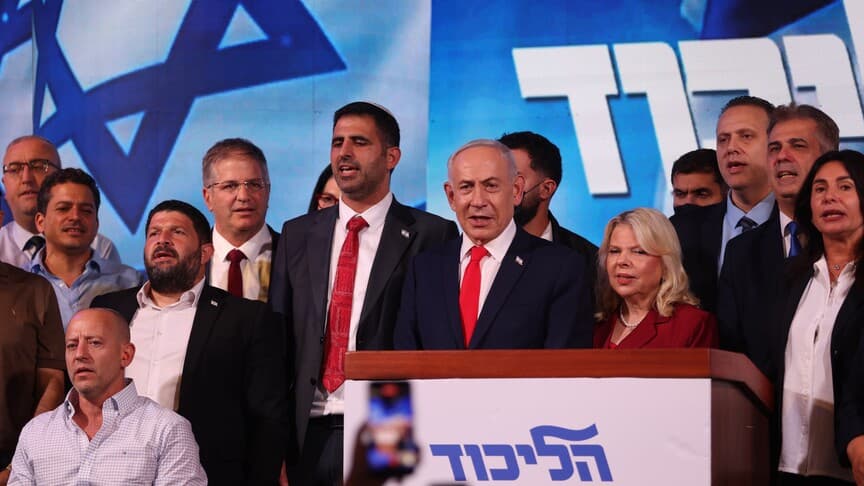
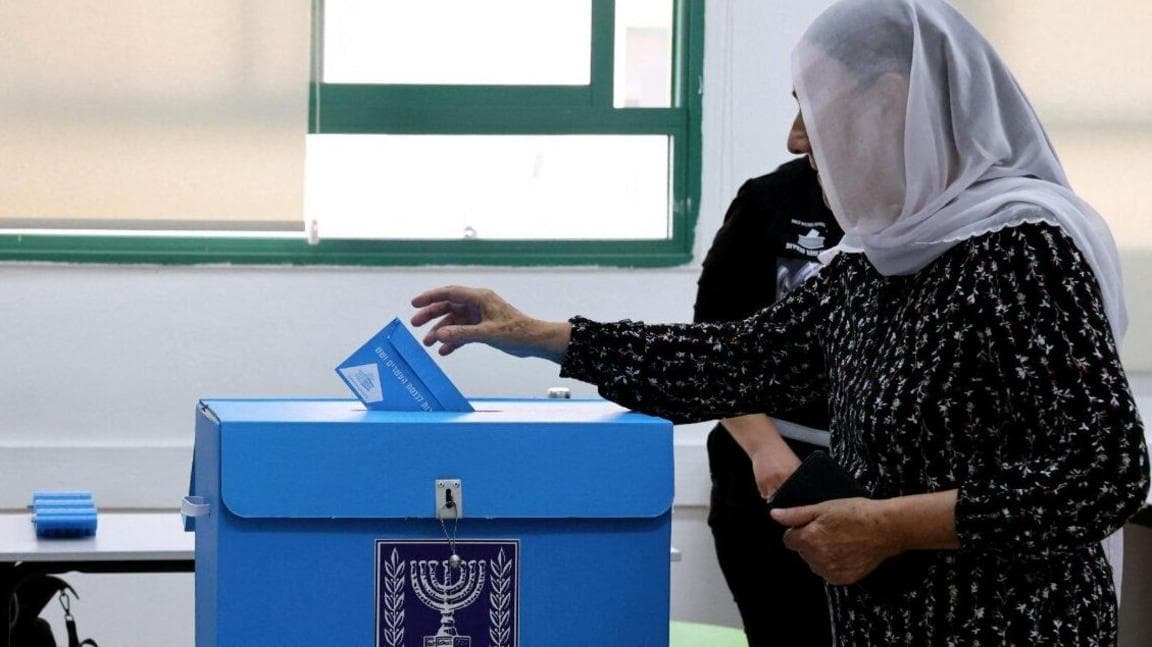
The bloc of Israeli Prime Minister Benjamin Netanyahu is leading in the parliamentary election, The Times of Israel reports, citing the Central Elections Committee. According to the committee, with 93% of ballots counted, Netanyahu's bloc has 53 of the 120 seats in the Knesset, of which 26 mandates belong to his Likud party. The opposition bloc led by former Chief of the General Staff Gadi Eisenkot has won 48 seats, and two Arab parties have taken 19 seats — their best result in history. Forming a government requires 61 seats, meaning neither bloc has yet reached a majority. The remaining ballots will be counted in the coming days, and official results will be announced on November 4.
Statements by the leaders
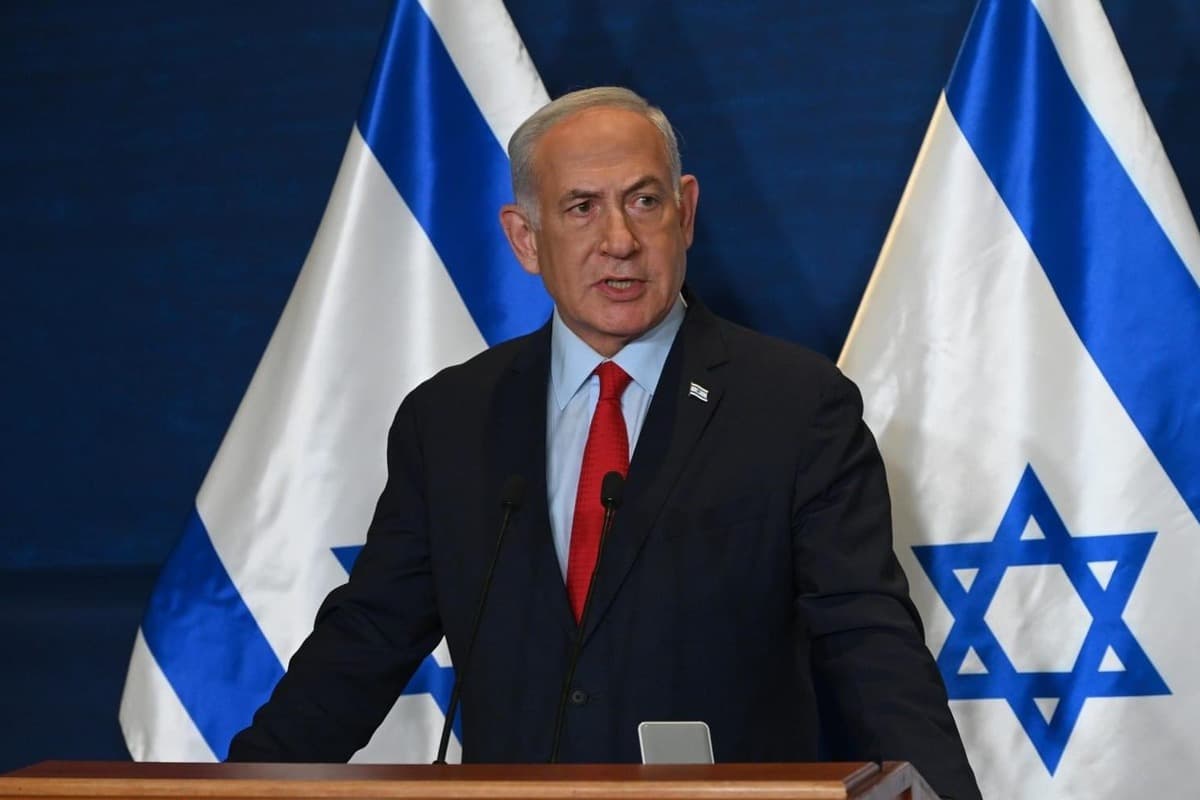
Both leaders have already claimed the right to form a government. «The right-wing bloc has a clear, decisive majority among the Zionist public… We must form a strong national right-wing government… It is unacceptable to endanger Israel and to create a government that relies on anti-Zionist Arab parties», — Netanyahu said. Eisenkot, for his part, sees the vote as a call for a change of power: «Society has chosen change. The 'coalition of failures' has lost the people's trust… I will work with partners so that the will of the people is realized in a Zionist government».
What comes next
Since neither side has won an absolute majority, the process of forming a coalition government will begin, as described by BBC News: after the full count, the president will hold consultations with party leaders and task the candidate whom he assesses as having the better chance of securing the support of a majority of Knesset members with forming a government. The candidate will have 28 days for this, with a possible extension of another 14. If the candidate fails, the mandate may be transferred to another, and then — at the request of Knesset members — to a third; if this fails entirely, new elections are called. Thus, the outcome of the election remains undetermined: with a gap of five seats between the blocs, the position of the Arab parties with their record 19 seats may prove decisive — the very reliance on which Netanyahu publicly urged against.