The key facts
- Neither of the two leaders commands a majority: Eisenkot led in the exit polls, but after the data was revised Netanyahu overtook him
- Neither of the two leaders is winning a majority: Eisenkot led in the exit polls, but after the data was revised Netanyahu overtook him
- The Arab parties could win a record 19 seats amid unprecedented turnout among the Arab population
- The most likely outcome if negotiations fail is a new election, which the BBC calls a quiet victory for Netanyahu
- If the negotiations fail, the most likely outcome is new elections, which the BBC calls Netanyahu's unspoken victory
Deadlock after the election
Israel, judging by the results of the general election, appears to be in a political deadlock. According to BBC News, with 85% of the votes counted, neither incumbent Prime Minister Benjamin Netanyahu nor his main rival Gadi Eisenkot have enough seats to form a majority government. This means that one of the leading parties will likely have to break its campaign promises — otherwise the most likely outcome will be a new election.
Four scenarios
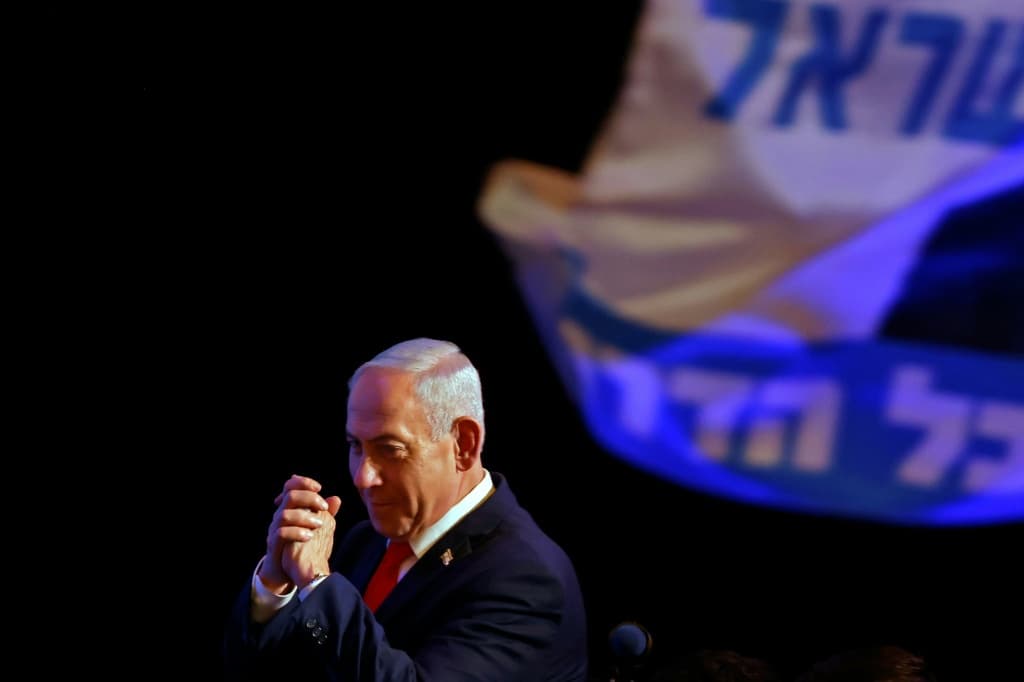
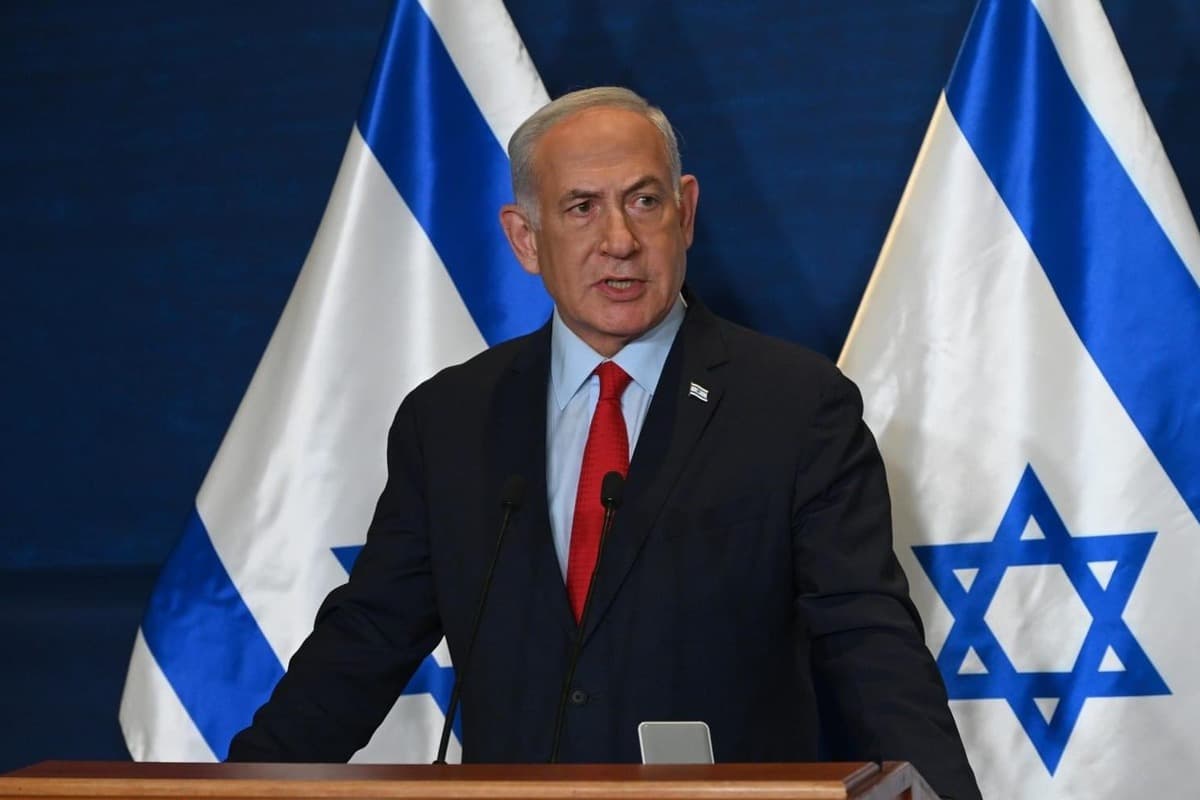
The first option is a national unity government led by Netanyahu. For that, Eisenkot would have to abandon a key campaign slogan: he positioned himself as the only alternative to the prime minister, and on the eve of the vote, on stage at his headquarters, he called on Netanyahu to 'announce his departure from political life today,' calling his style a 'culture of lies,' 'division and incitement.' Notably, these words were spoken before one of the main exit polls was revised — it had initially predicted the lead for Eisenkot's bloc, but after the revision Netanyahu overtook it. In theory, Netanyahu could offer Eisenkot's Yashar party a place in the government while dropping his ultranationalist and ultra-Orthodox allies, but at Likud headquarters he thanked his 'loyal partners' and called for 'a strong right-wing government' — which some took as an intention to keep the current alliance. A new conflict with Iran could facilitate such a union: in the days before the election, Israeli and American media reported that Netanyahu was pushing for new strikes on the country and pressing Donald Trump to approve US participation.
Arab parties as the key to power
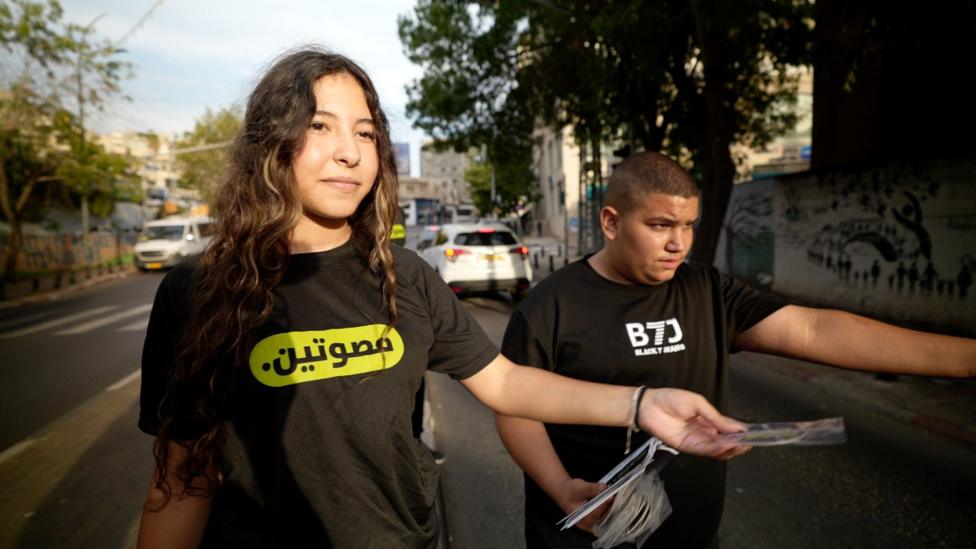
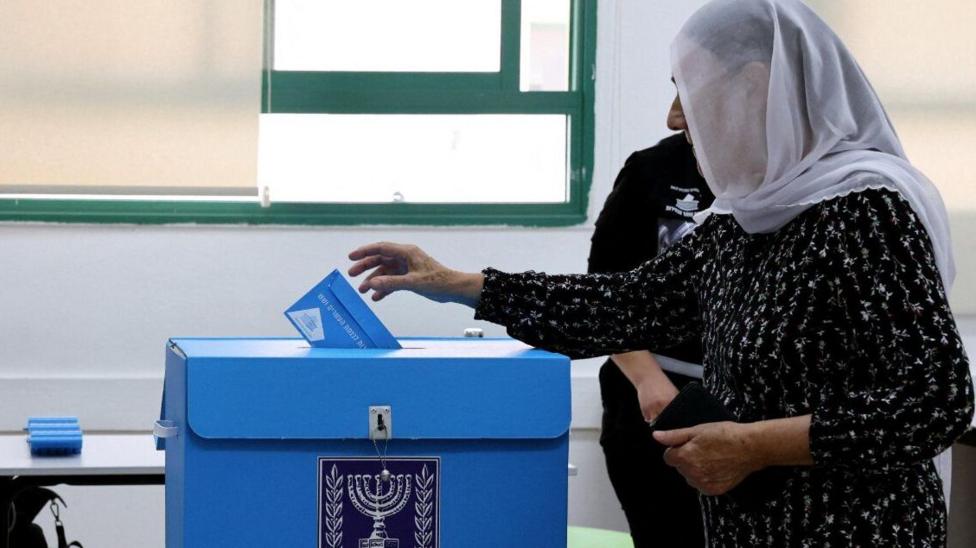
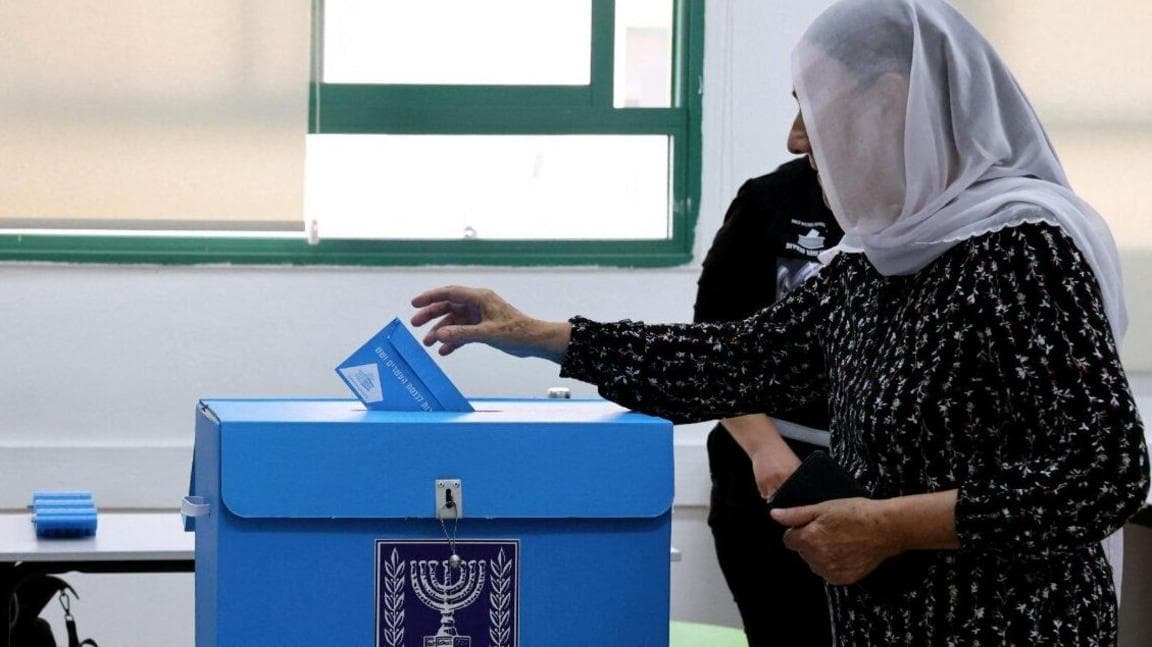
The second scenario is a coalition led by Eisenkot with the support of the Arab parties. This would be an unprecedented shift: only one independent Arab party has ever formally joined a government, in 2021, and only briefly. The Arab parties became the sensation of the night: they could win a record 19 seats thanks to an unprecedented turnout among the Arab population, which makes up about a fifth of the country. For years many boycotted the elections, believing that voting legitimizes a system that, in their words, treats them as second-class citizens — but this time voters were mobilized by the idea of unseating the most right-wing government in Israel's history. The Joint Arab List (about 7 seats) said it was ready to join an opposition government, while the United List (12 seats) said it would support it from outside. The problem is that Eisenkot and almost all the Jewish parties in his bloc have already ruled out such cooperation, and the only supporter of this scenario is Yair Golan of the Democrats; the BBC notes that such a coalition would be extremely fragile, especially on the issues of Gaza and the occupied West Bank.
Poaching the right and a new election
The third option is Netanyahu luring right-wing politicians away from Eisenkot's bloc, above all Naftali Bennett and Avigdor Lieberman. Both are hardline on security issues and politically close to Netanyahu, but both campaigned on the slogan of removing him and demanded extending military conscription to the ultra-Orthodox, which puts them at odds with the ultra-Orthodox parties in Netanyahu's government. Under the current count, replacing the ultra-Orthodox parties with their factions still does not yield a majority. If none of the scenarios works, the default outcome is a new election — and the BBC calls this a quiet victory for Netanyahu, who would remain caretaker prime minister. Several factors favor such an outcome: the high turnout among Arab voters may not repeat itself, the roughly 70,000 Israelis who flew in from abroad to vote and who are estimated to be opposed to Netanyahu may not do so again, and the small right-wing parties that failed to clear the 3.25% threshold may not contest a new election, handing their votes to Likud and its allies. Between 2019 and 2022, Israel already held five consecutive elections because of politicians' inability to reach agreement.
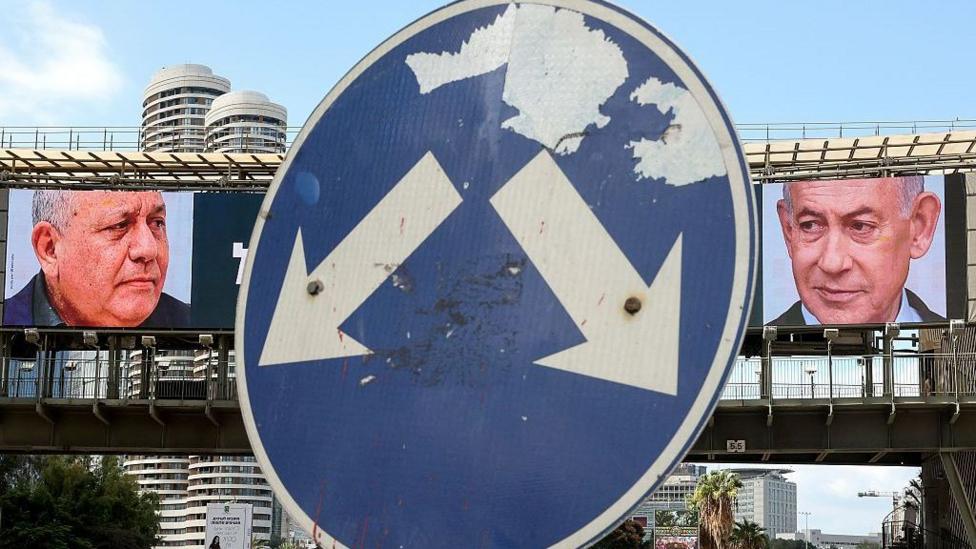 Image source, AFP via Getty Images
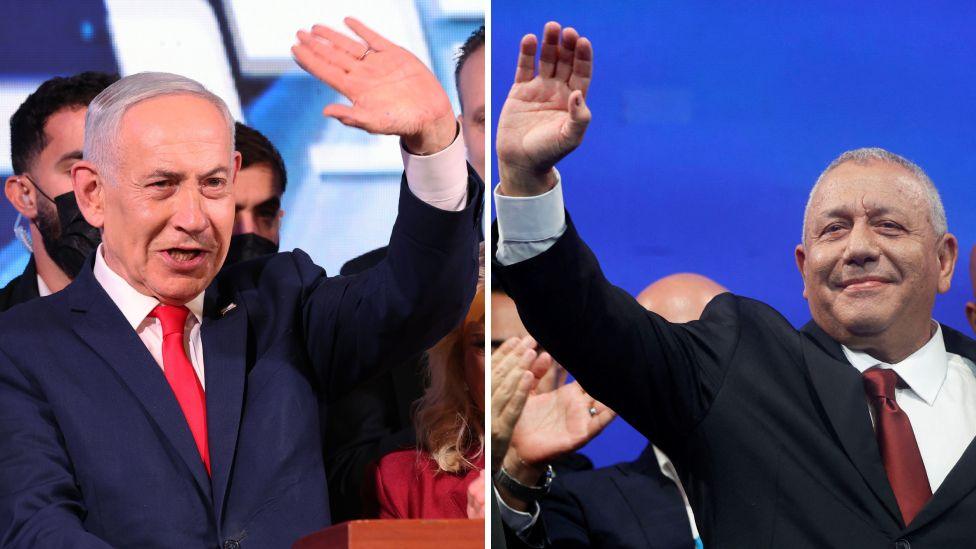
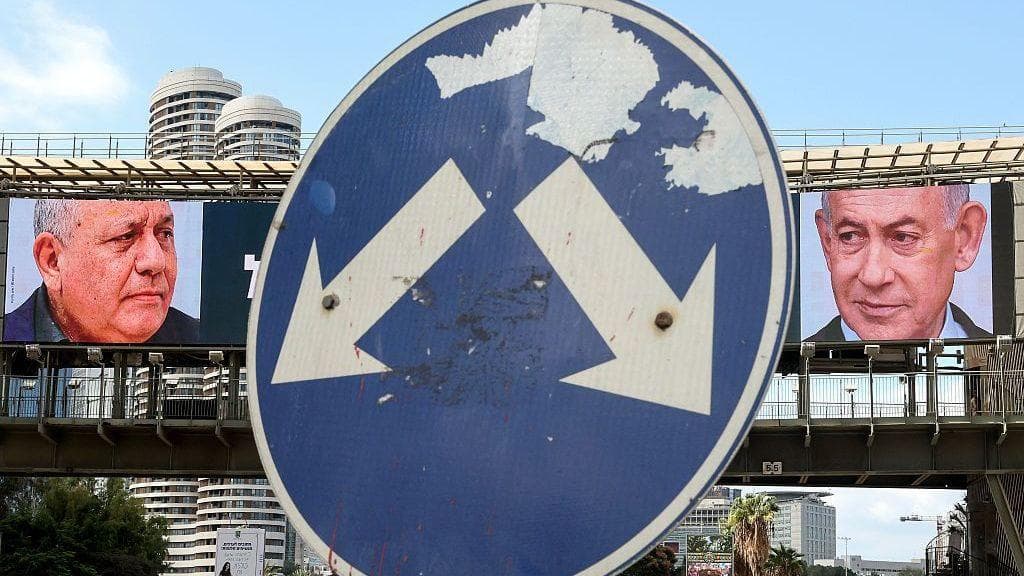
Neither Gadi Eisenkot (left) nor Benjamin Netanyahu (right) are projected to win enough seats for a majority