The key facts
- Turnout was 77.7% — the highest since 1999; among Arab voters, activity reached about 80%
- According to exit polls, Likud has 27 seats, Eisenkot's Yeshar party 20–22, and the Arab parties a record 18–19
- The official count continues; final results will be announced in a few days
Turnout and preliminary results
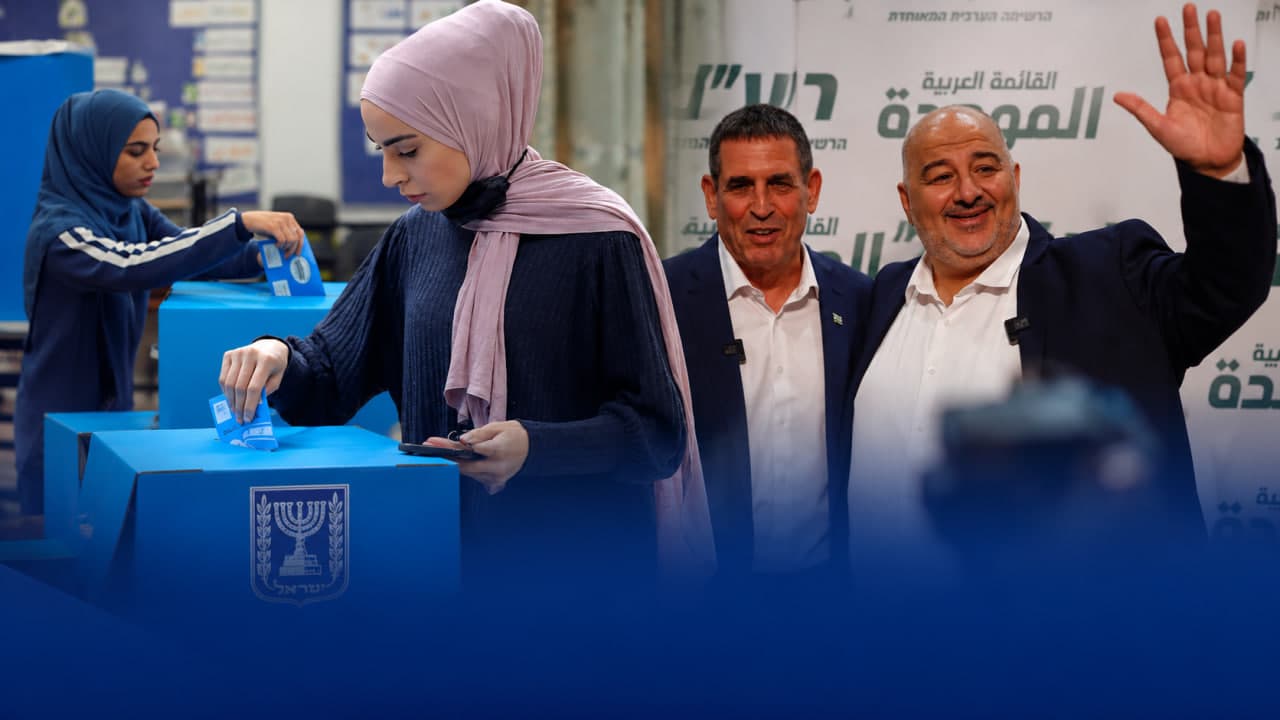
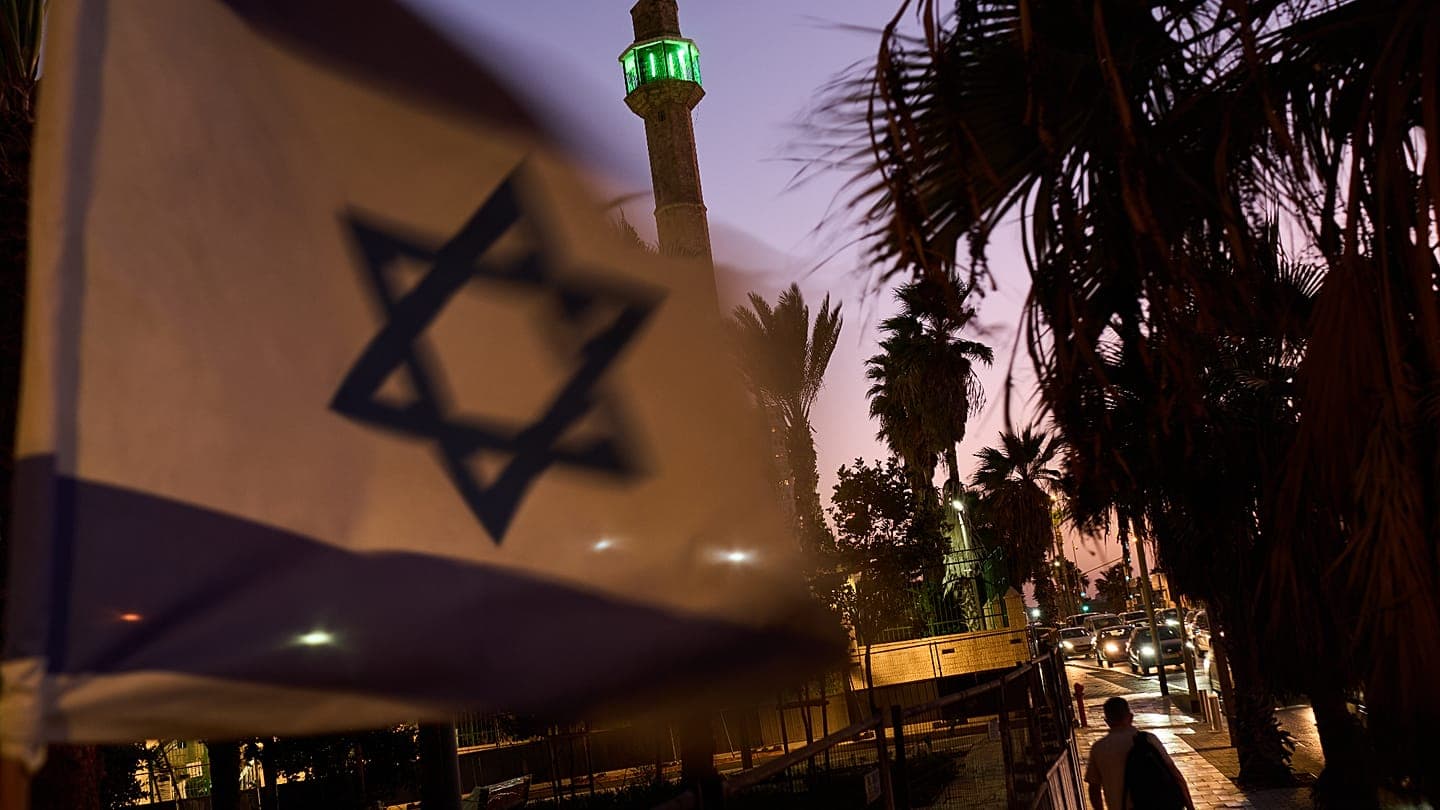
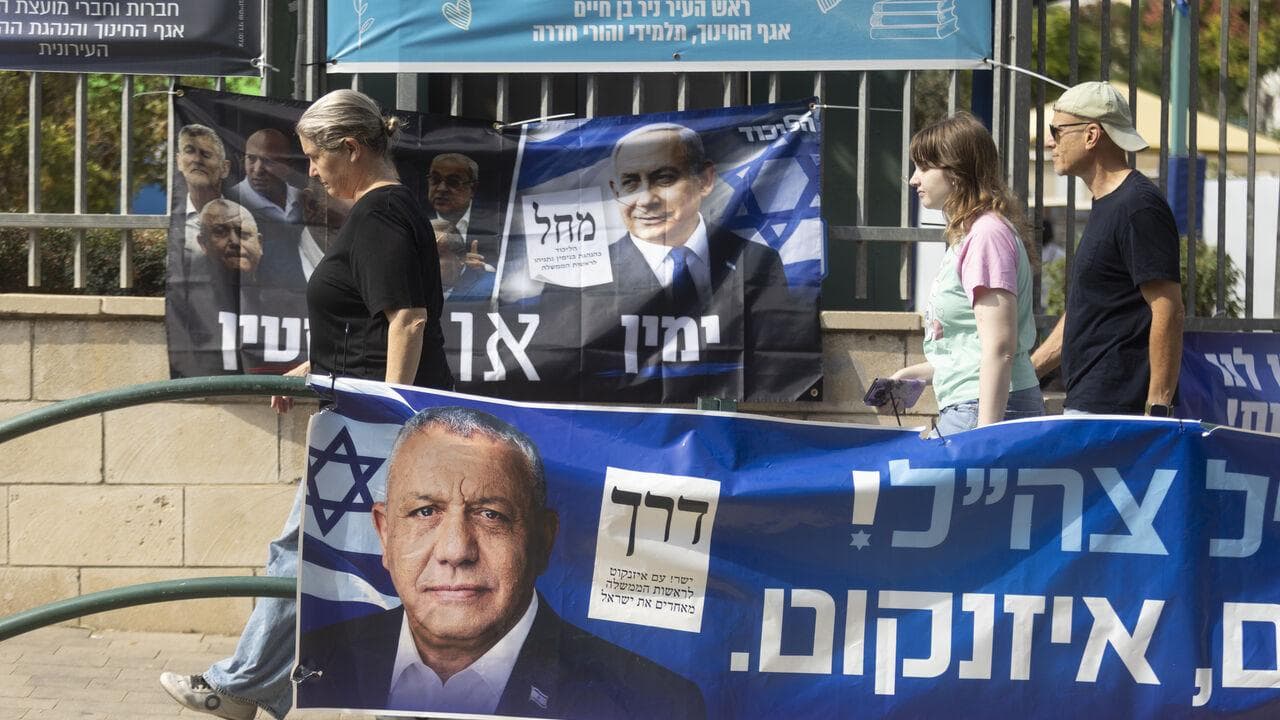
Israel has completed its Knesset elections. According to the central election commission, 77.7% of voters cast their ballots — the highest turnout since 1999: of the roughly 7.3 million people eligible to vote, about 5.7 million went to the polls. Israeli media noted that turnout among Arab voters reached 80%. Kun.uz reports this citing the commission and Reuters.
Seat distribution
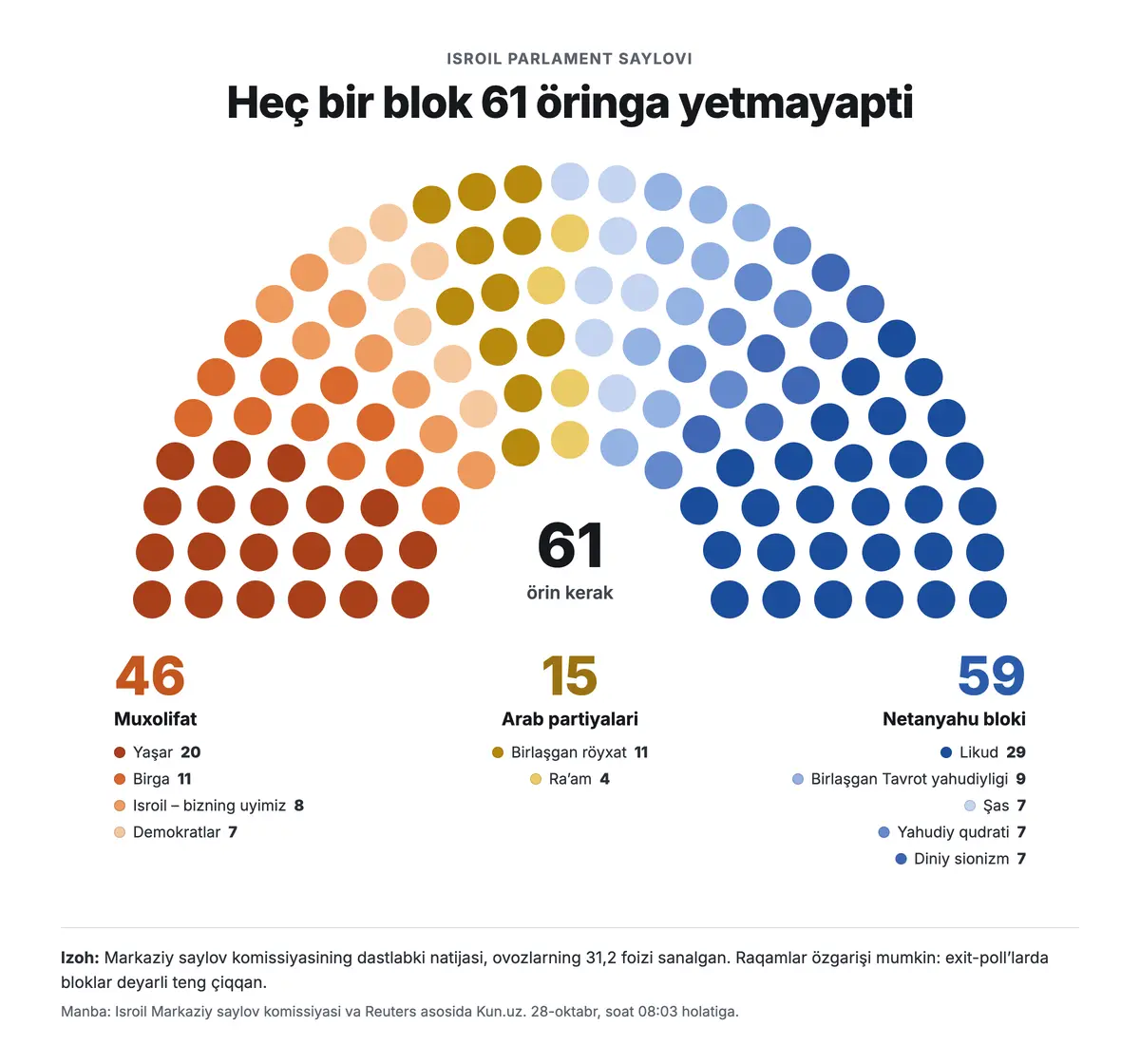
According to television exit polls, cited by Reuters, Benjamin Netanyahu's Likud party leads with 27 seats, while Benny Eisenkot's Yeshar party follows with 20–22 seats. Likud currently holds 32 seats in the Knesset. The blocs are nearly even: two television channels gave each side 51 seats. Arab parties, according to projections, could win a record 18–19 seats. The official count is ongoing: when nearly every third ballot had been processed, Netanyahu's bloc had 59 seats, the opposition 46, and the Arab parties 15, though the commission stressed that these figures could change. Final results will be announced in a few days.
Leaders' statements
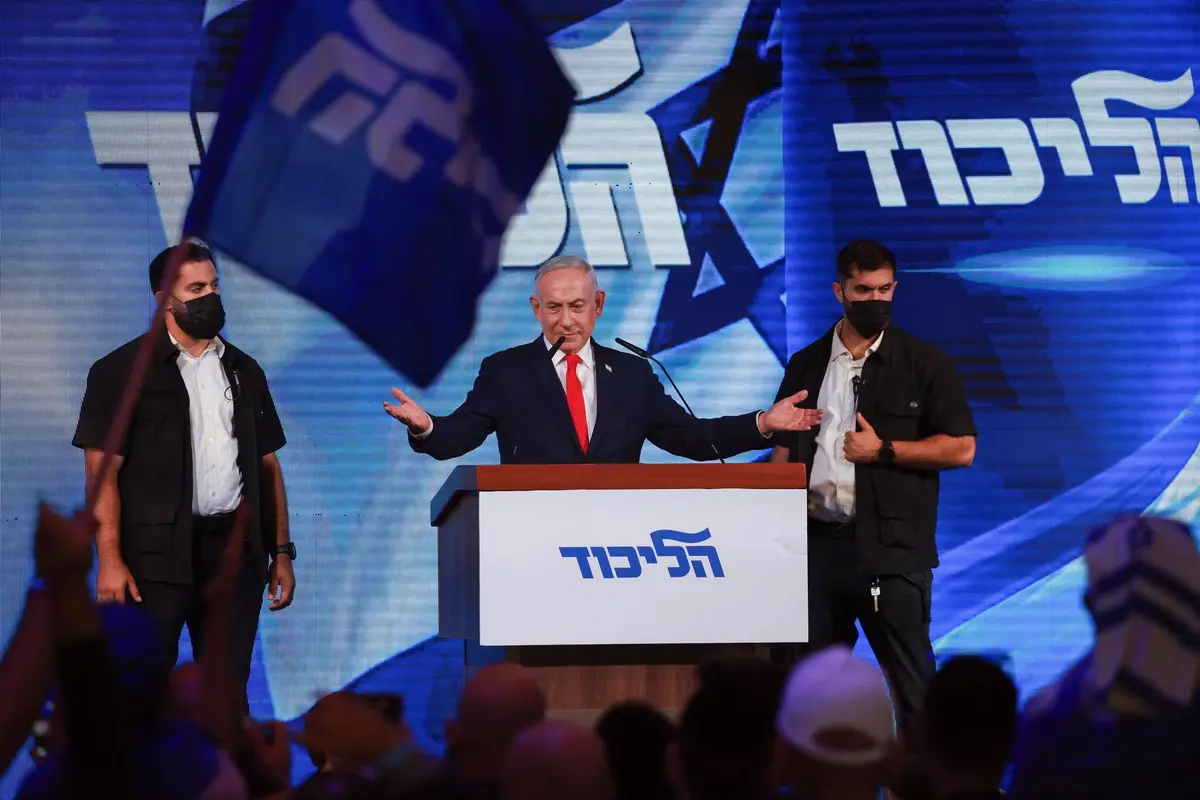
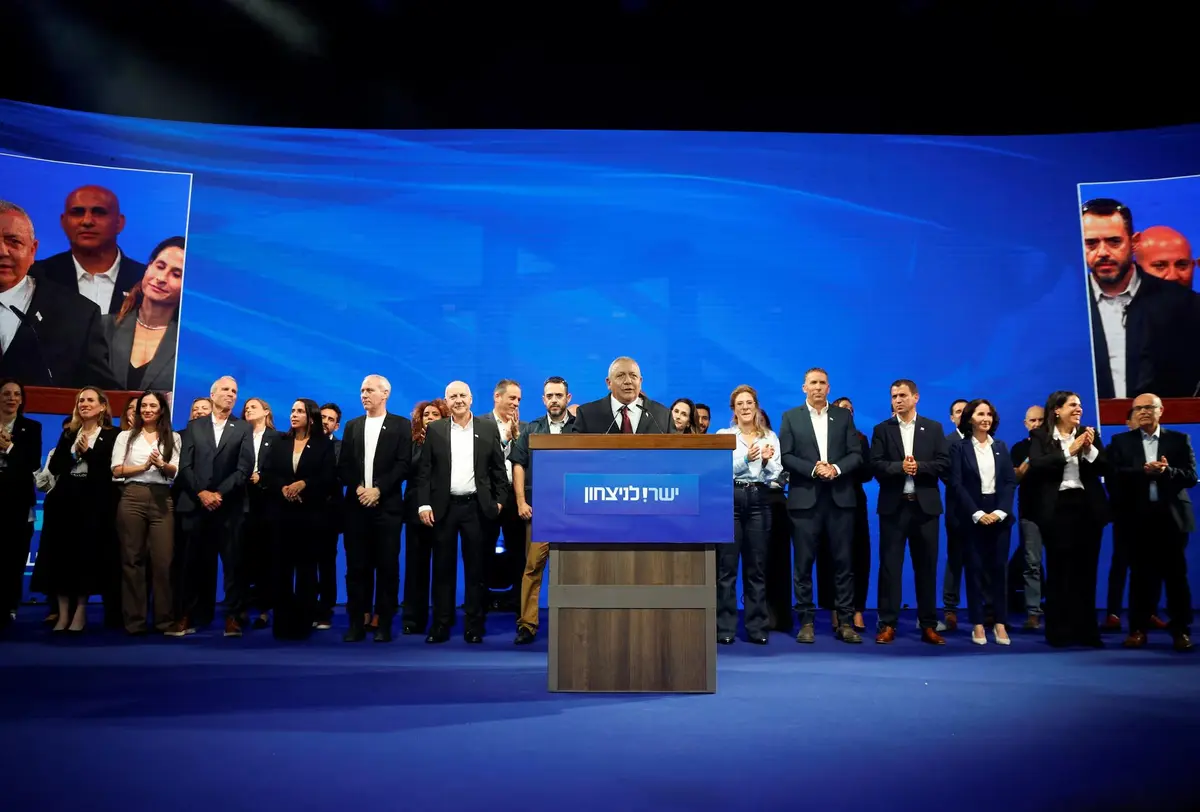
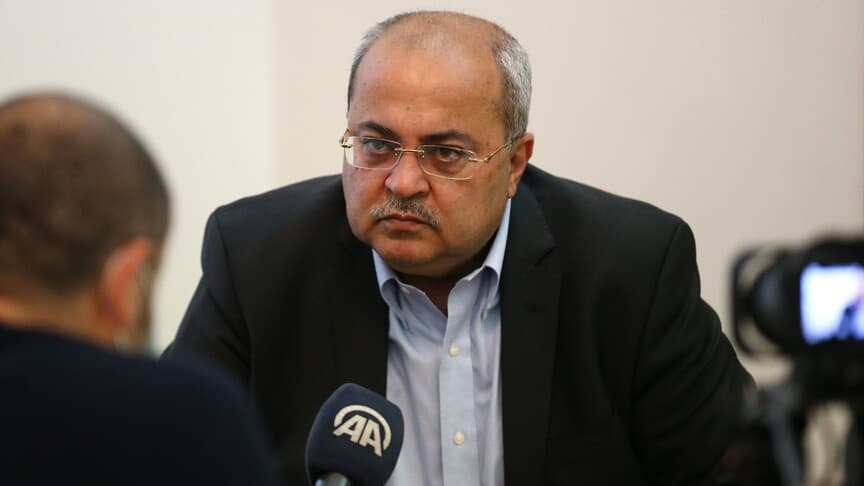
Both leaders interpreted the result in their own favor. Netanyahu did not openly declare victory, but emphasized that Likud is the largest party and said there was a need to form a 'strong, leading, national government.' According to him, it is 'absolutely impossible' to form a government relying on 'anti-Zionist Arab parties' and put Israel at risk. Eisenkot said the people had voted for change, called the current coalition a 'coalition of failure' that had lost the people's trust, called on Netanyahu to resign, and said that if the results match the exit polls, he would immediately begin forming a new government.
What comes next
The main battle will now shift to coalition negotiations. After the final results are announced, President Isaac Herzog, following consultations with party leaders, will task the candidate with the best chances of forming a government, giving him 42 days. If no one succeeds, new elections will be called; until then, Netanyahu's government will continue to function in its current composition. Thus, despite Likud's first place in the exit polls, Netanyahu does not yet have enough votes to form a governing coalition, and the outcome will remain uncertain until the official count is complete.