The key facts
- Al-Zaidi arrived in Damascus on October 28 and was met by President Ahmed al-Sharaa
- Economic and trade cooperation were named priorities, with border security and the fate of ISIS detainees also discussed
- Iraq already trucks fuel through Syria to the port of Banias and has signed memorandums on restoring the Kirkuk—Banias pipeline
Iraqi PM's first visit to the new Syria
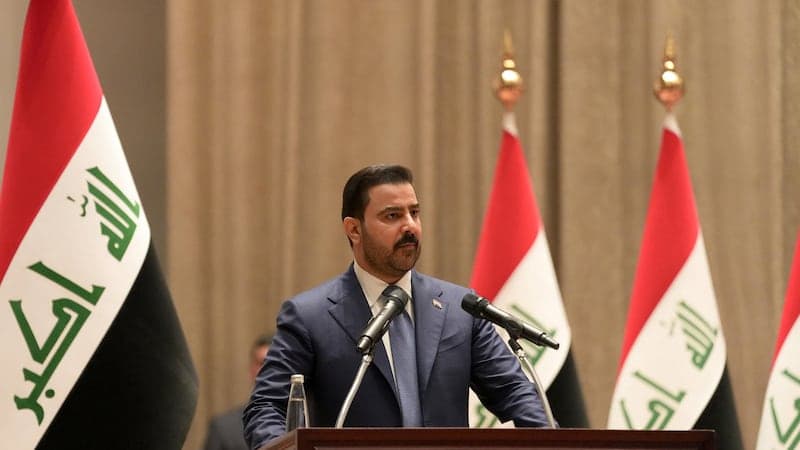
Iraqi Prime Minister Ali al-Zaidi arrived in Damascus on Wednesday, October 28, leading a high-level delegation. This is his first official visit to Syria since taking office in May, and the first visit by an Iraqi prime minister since the fall of Bashar al-Assad's regime in December 2024. He was greeted at Damascus airport by Syrian President Ahmed al-Sharaa, as confirmed by the Iraqi agency INA and Syria's SANA, as reported by Anadolu. Government spokesman Haider al-Aboudi said the talks aim to strengthen ties and 'open new horizons for cooperation,' noting that economic and trade partnership will be the priority, according to The National.
What the sides are discussing
According to al-Aboudi, the leaders will discuss the future of Iraqi-Syrian relations, the regional situation and its geopolitical consequences. Iraqi local media previously reported that border security and counter-terrorism are also on the agenda. Ahead of the visit, al-Sharaa said the border between the two countries is 'completely' secure and that Damascus and Baghdad are already coordinating on a number of issues. He also said Iraq is taking in 5,704 detainees transferred from Syria earlier this year, including 3,000 Syrians, and that discussions are underway with the Iraqi judiciary about possible repatriation.
The economic context of the visit
The National notes that relations between the two countries have shifted in recent months from deep distrust to pragmatic cooperation — against the backdrop of the start of the war with Iran in February and US pressure for regional de-escalation. Iraq, which before Iran closed the Strait of Hormuz exported an average of 105 million barrels per month through that route, is seeking alternative outlets: already, about 500,000 tonnes of fuel oil per month, according to the Syrian Petroleum Company, are transported by truck through Syria to the Mediterranean port of Banias, and gasoline is imported along the same route to cover a daily shortfall of 5 million litres. On July 18, the two countries signed two memorandums on restoring the historic Kirkuk—Banias pipeline, as well as an agreement with a consortium of Chevron, UCC Holding and TI Capital to prepare technical and financial studies for a new line with a capacity of 2 million barrels per day; the project is estimated at several billion dollars and about four years of construction. In an interview with the Iraqi TV channel Dijlah TV aired late on Tuesday evening, al-Sharaa called Syria the future 'gateway of Iraq to the Mediterranean,' linking the port of Faw with the Mediterranean. He described the current moment as a 'historic opportunity' for the two countries, which 'for more than 60–70 years have suffered from sectarian and internal wars, coups and conflicts.'