The key facts
- The EU and Canada plan a feasibility study on long-term LNG supplies to Europe
- The draft statement does not define supply volumes, costs or infrastructure
- Environmentalists call the study «a dangerous distraction» from renewable energy
What is planned at the Montreal summit
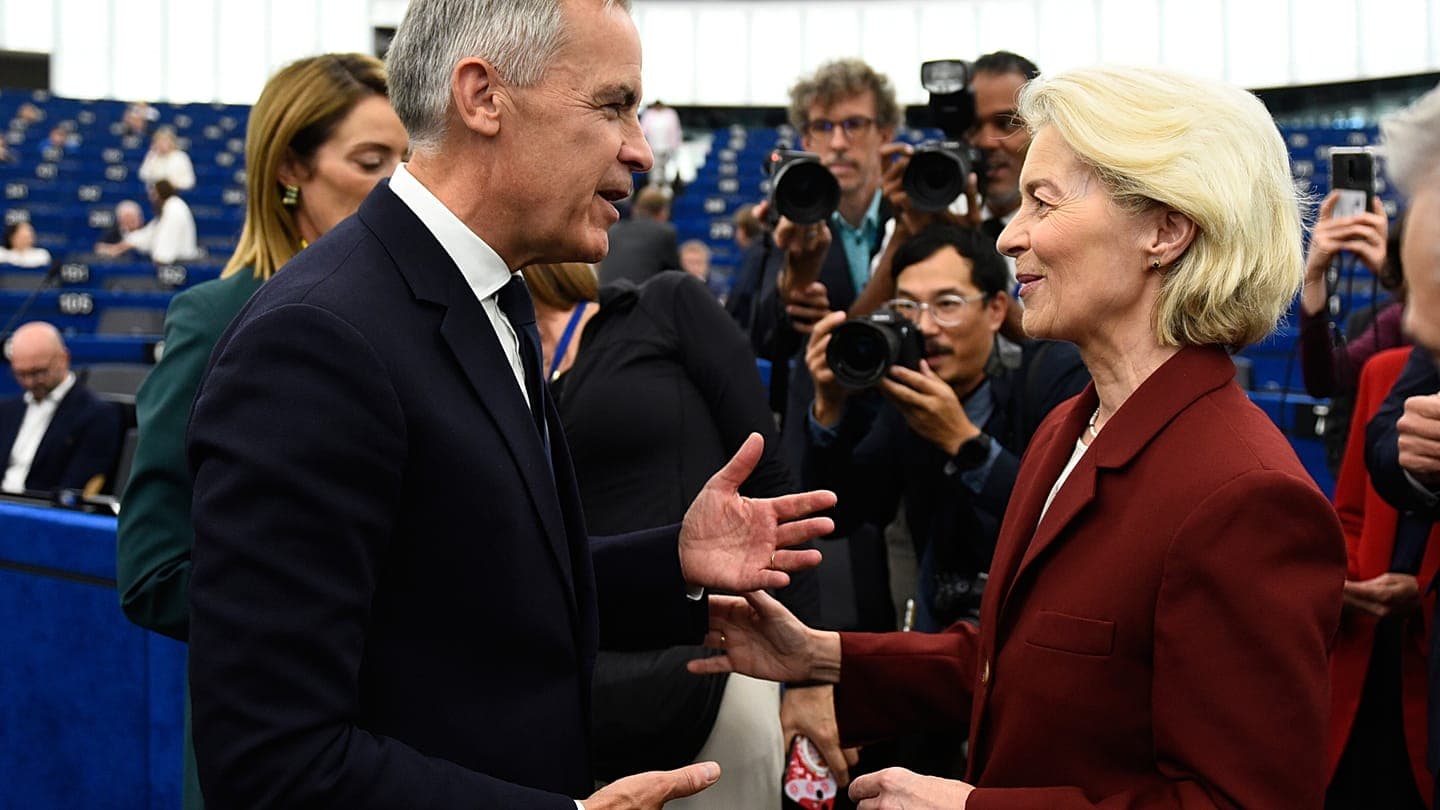
The EU and Canada intend to study long-term supplies of liquefied natural gas to Europe. This follows from a draft joint statement ahead of the EU–Canada summit in Montreal on 29–30 October, which was seen by Euronews. In addition to LNG, the sides plan cooperation on electricity grids, energy storage, and the physical and cyber protection of energy infrastructure. The draft speaks of assessing opportunities for long-term energy connectivity, investment and offtake agreements that would strengthen Europe's energy security and Canada's economic development, in support of shared climate goals.
Context: why Brussels is looking for new suppliers
The initiative reflects Brussels' efforts to diversify supplies amid high gas prices and historically low storage levels. After Russia's full-scale invasion of Ukraine, the United States became the EU's largest LNG supplier, replacing part of the cheaper Russian gas; meanwhile, ongoing disruptions to the production and shipping of Qatari gas have also weakened the bloc's energy security. Additional supplies from politically stable producers could improve the situation, but Asian markets are also a potential destination for Canadian LNG, which means competition for the same volumes.
Open questions and Ottawa's position
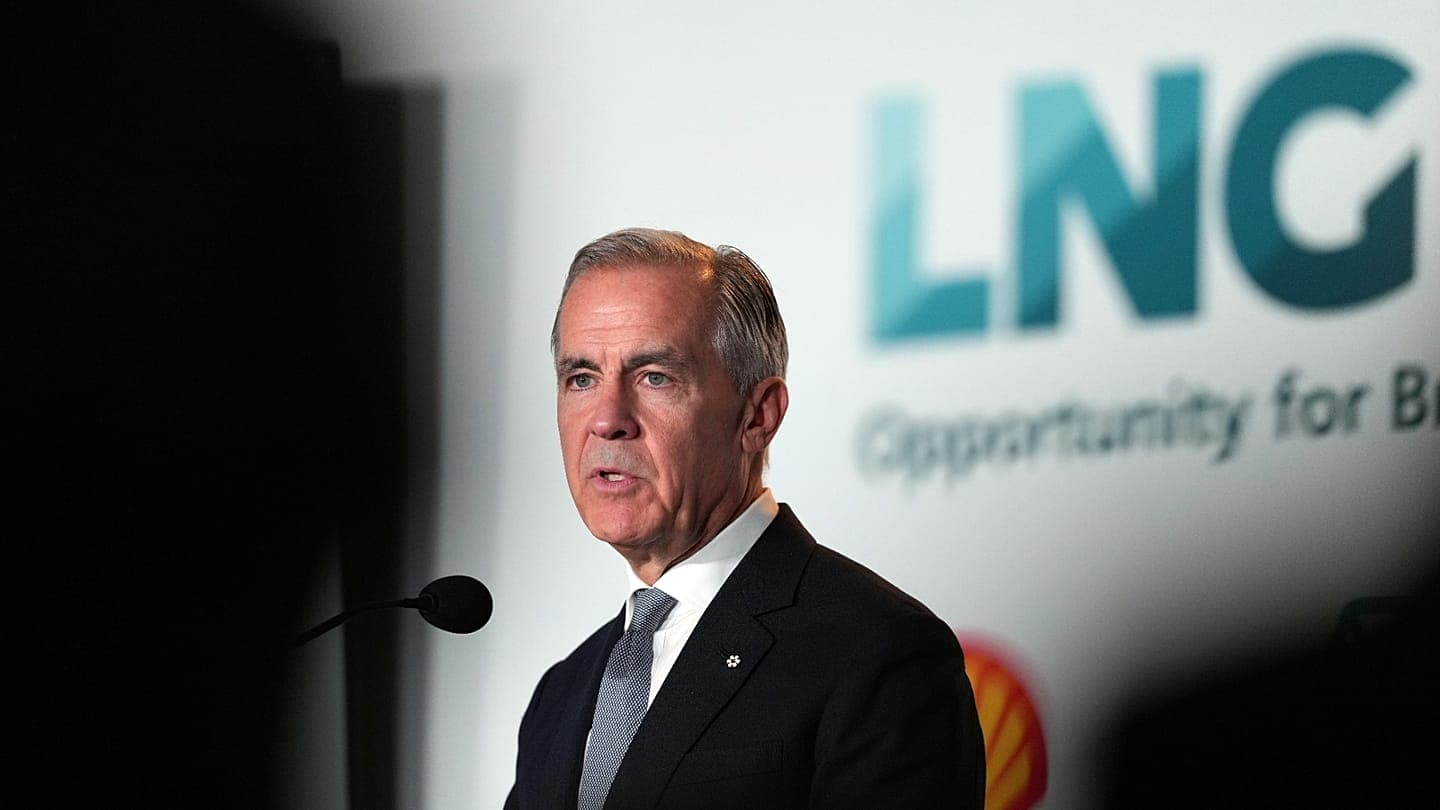
The draft statement leaves key questions unanswered: how much LNG Canada could supply, at what price, and what infrastructure would be needed to deliver it to European markets. Canadian Prime Minister Mark Carney backs plans that could double the country's west coast LNG export capacity and is open to developing gas exports from New Brunswick if the province lifts its fracking ban. «We will change things at the federal level that need to be changed so that projects move forward,» Carney told local media in May 2025.
Environmentalists' criticism
Environmental organisations warn that expanding gas supply will not speed up the energy transition: new terminals and pipelines require major investment and can operate for decades, encouraging long-term gas consumption and diverting capital away from electrification and renewables. Esther Bollendorf, head of the fossil fuel programme at Climate Action Network (CAN) Europe, said Canada should become the EU's partner in building affordable and sustainable energy rather than «the next gas supplier», and called the proposed study «a dangerous distraction». In her words, it «risks locking in fossil fuel infrastructure, stranded assets and higher bills for consumers on both sides of the Atlantic, undermining Europe's climate goals».