The key facts
- TTF futures stood at €100.37 per MWh at 16:00 CET on 28 October (+4% on the day) — above €100 for the first time since December 2022
- EU gas storage stood at 75% as of 21 October against a 90% target for 1 November; the war added €18–33 billion to gas import costs (ACER estimate)
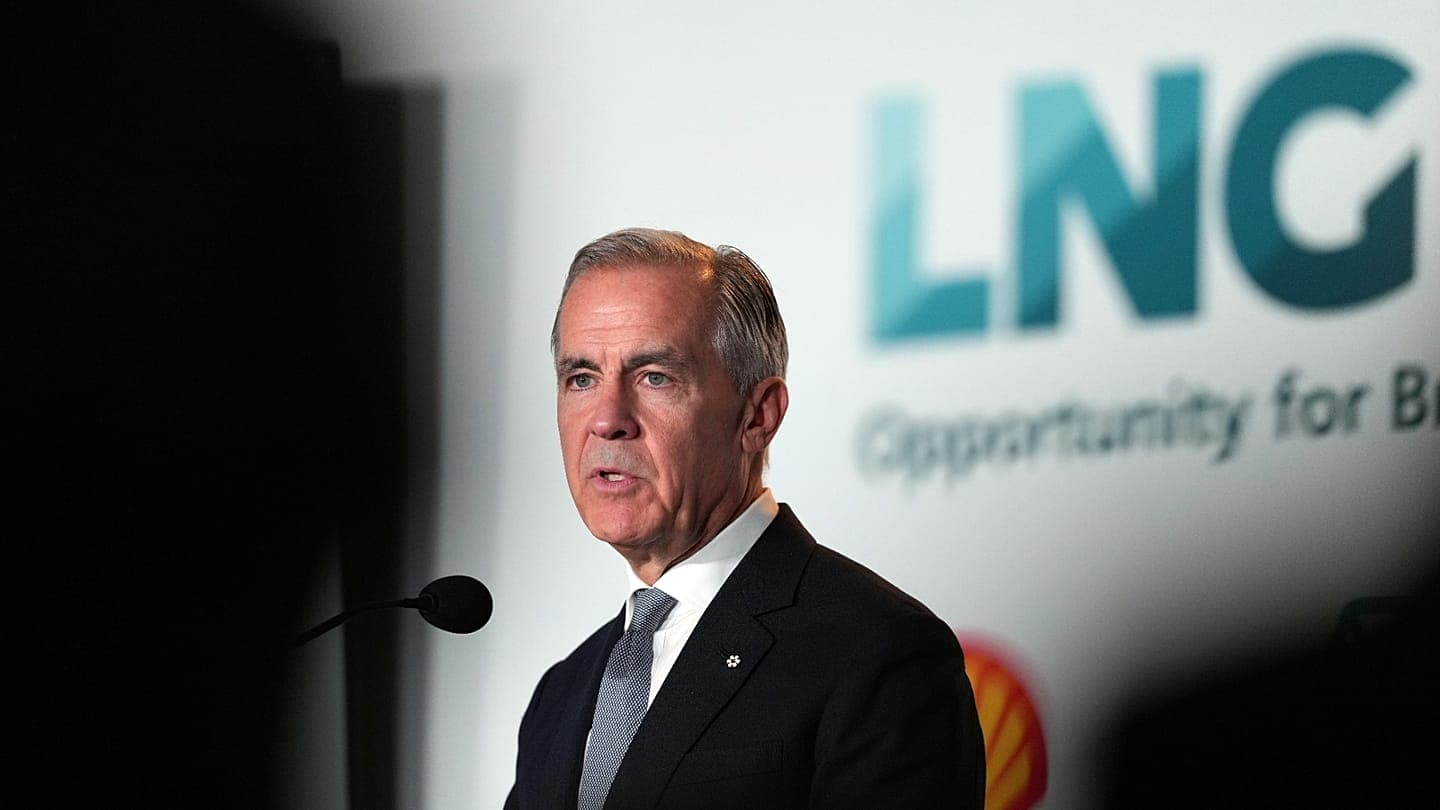
- The EU and Canada are working on a long-term LNG agreement ahead of the Montreal summit; EU energy ministers meet on Thursday
The psychological mark of €100 was crossed just hours before Brussels issued its warning
On Wednesday afternoon, the benchmark next-month futures contract on the Dutch TTF hub traded at €100.37 per megawatt-hour, gaining more than 4% over the day. The market had not seen this level since December 2022, at the peak of the energy crisis following Russia's full-scale invasion of Ukraine. The spike came just hours after EU Energy Commissioner Dan Jørgensen told journalists in Brussels after a meeting with European refiners: This is reported by Euronews.
Where the spike came from: the war with Iran, Qatar and underfilled storage
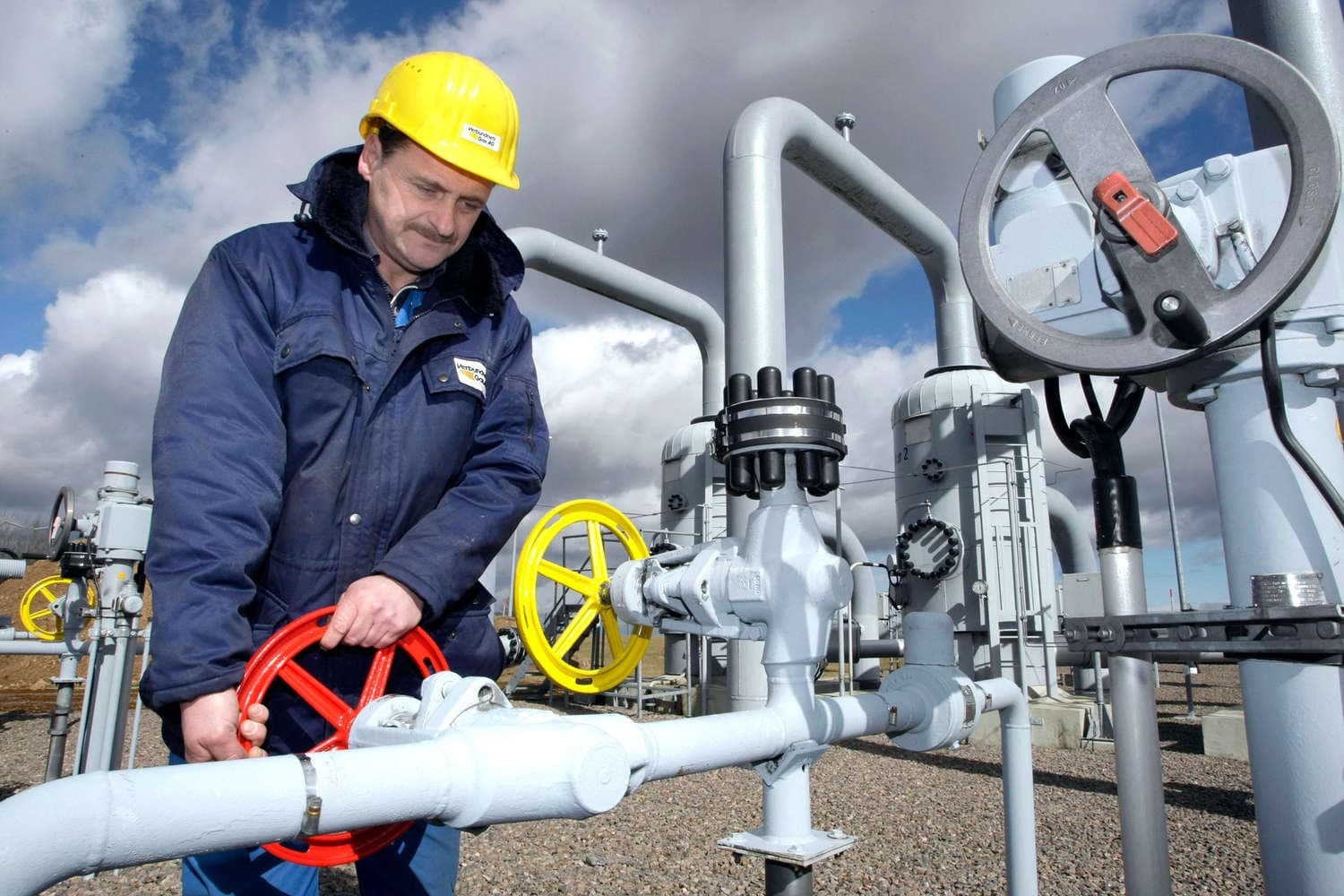
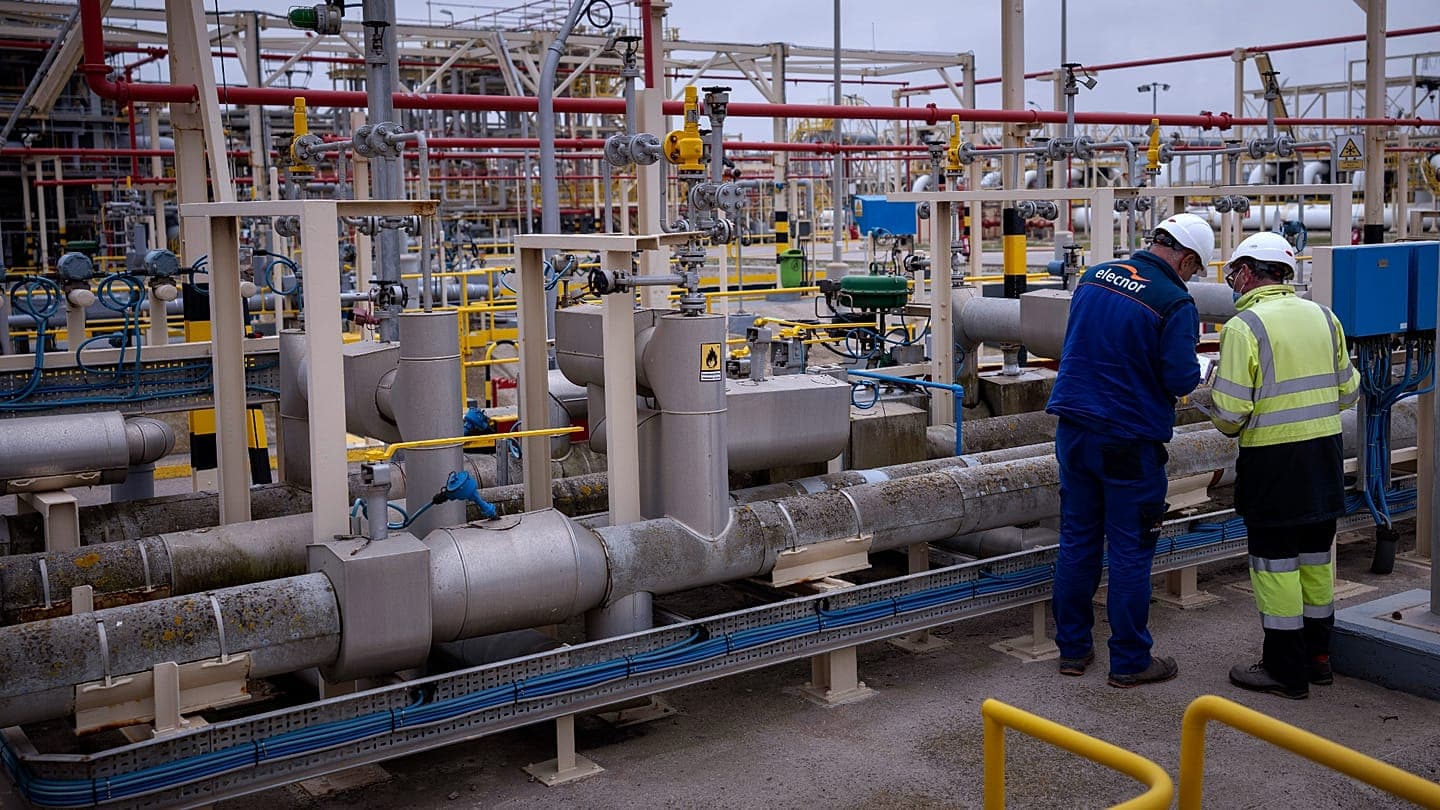
Before the war involving Iran began in late February, the price had held at around €32, although it is still far from the record of roughly €340 in August 2022. According to the agency ACER, on which the outlet relies, the disruption to LNG supplies primarily affected supplies from Qatar — over the summer, Qatari LNG barely reached the EU at all, and the union is becoming increasingly dependent on the US, which now accounts for about 30% of its gas supplies. As of 21 October, storage facilities were 75% full against the usual target of 90% by 1 November (countries are allowed to apply it flexibly); by the end of last winter they were only 28% full, compared with a nine-year average of about 40%, and refilling was slow and costly. ACER estimated Europe's additional gas import costs due to the war at €18–33 billion and warned that in winter the EU will have to compete with Asia for available LNG cargoes. A mitigating factor: gas demand is roughly 20% lower than before the 2022 crisis, so existing reserves are being drawn down more slowly.
What the EU is doing: refineries, Canada and a ministers' meeting
Beyond gas, the European Commission expects the global diesel market to remain tight at least until 2027, keeping energy prices high, and intends to encourage higher output at European refineries — about a quarter of them have closed over the past two decades. According to a draft statement for the EU–Canada summit in Montreal on Thursday and Friday, seen by the outlet, the parties are exploring the possibility of a long-term LNG supply agreement. A meeting of EU energy ministers is also scheduled for Thursday.