The key facts
- The World Bank linked rising gas prices in Europe to the EU's abandonment of Russian gas
- Russian gas accounted for about 11% of EU supplies in the first half of 2026
- A complete phase-out of Russian LNG is scheduled for January 2027, and of pipeline gas for the third quarter of 2027
Findings of the World Bank report
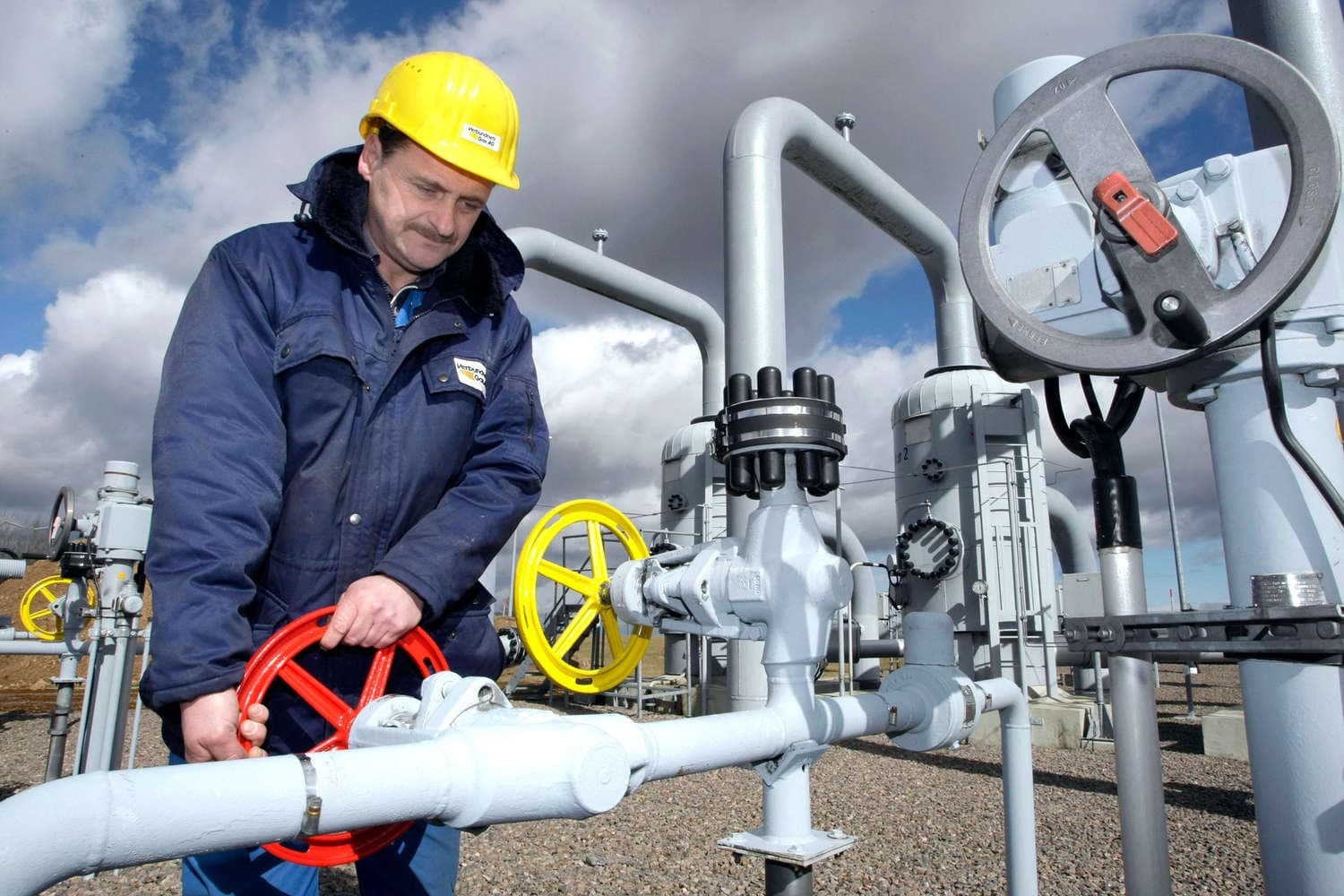
The European Union's refusal to import Russian gas has led to rising fuel prices in Europe. This conclusion is contained in the World Bank report 'Commodity Markets Outlook,' which is cited by Gazeta.Ru. According to the document's authors, reduced production in the North Sea, supply disruptions from Norway, and damage to regional land-based infrastructure could increase Europe's dependence on liquefied natural gas and trigger further price increases.
Timeline for abandoning Russian gas
The report names as an additional risk factor the planned cessation of Russian LNG imports into the EU in January 2027, as well as most supplies of Russian pipeline gas in the third quarter of 2027. The document's authors note that in the first half of 2026, Russian gas accounted for about 11% of gas supplies to the EU. In their view, failure to secure replacement volumes will intensify competition for flexible LNG cargoes and lead to price increases both in Europe and in Asia.
Shortage and risks ahead of winter
The World Bank writes that as the conflict in the Middle East drags on and winter approaches, gas prices may rise in countries dependent on LNG imports. Compared with pre-conflict levels, gas in Europe has already become almost three times more expensive, the document states.
What was reported earlier
Politico previously wrote about the risks of the coming winter: according to the outlet, the EU could face its largest gas shortage of up to 14 billion cubic meters, and European storage facilities are only about 72% full — the lowest October figure in 15 years. In addition, Russian presidential press secretary Dmitry Peskov stated that gas prices in Europe have not yet broken the record.