BBC Verify examines Donald Trump's claims of economic success: GDP is growing faster than IMF forecasts, but inflation has risen to 3.7%, job creation has slowed, and the budget deficit has reached $2 trillion. Tariffs and the war with Iran, economists estimate, have pushed prices up, while the benefits of tax cuts have gone to the wealthiest.
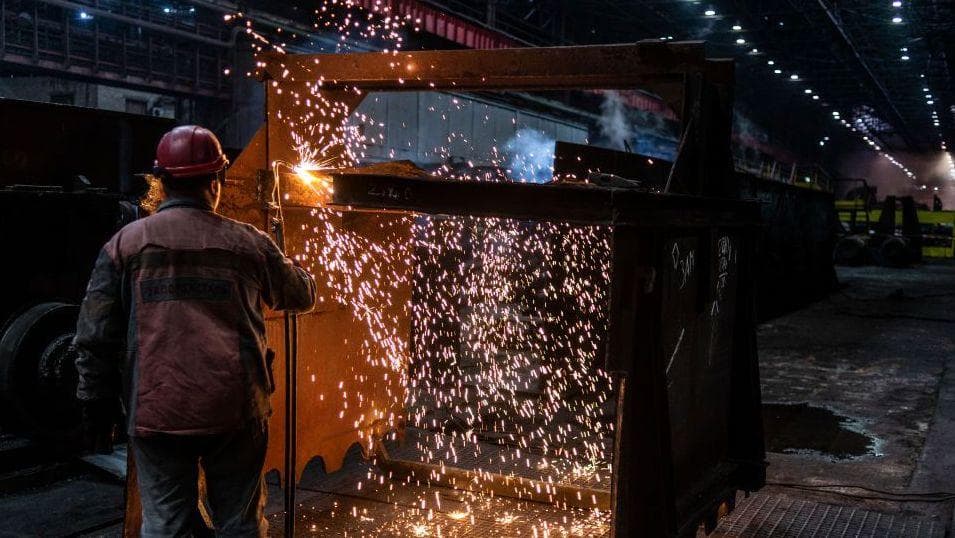
Yuriy Ryzhenkov, CEO of Metinvest, called the EU's new steel import quotas 'unfair' because they also restrict Ukrainian exports. The European Commission said it took Ukraine's situation into account and offered compensation to major suppliers.
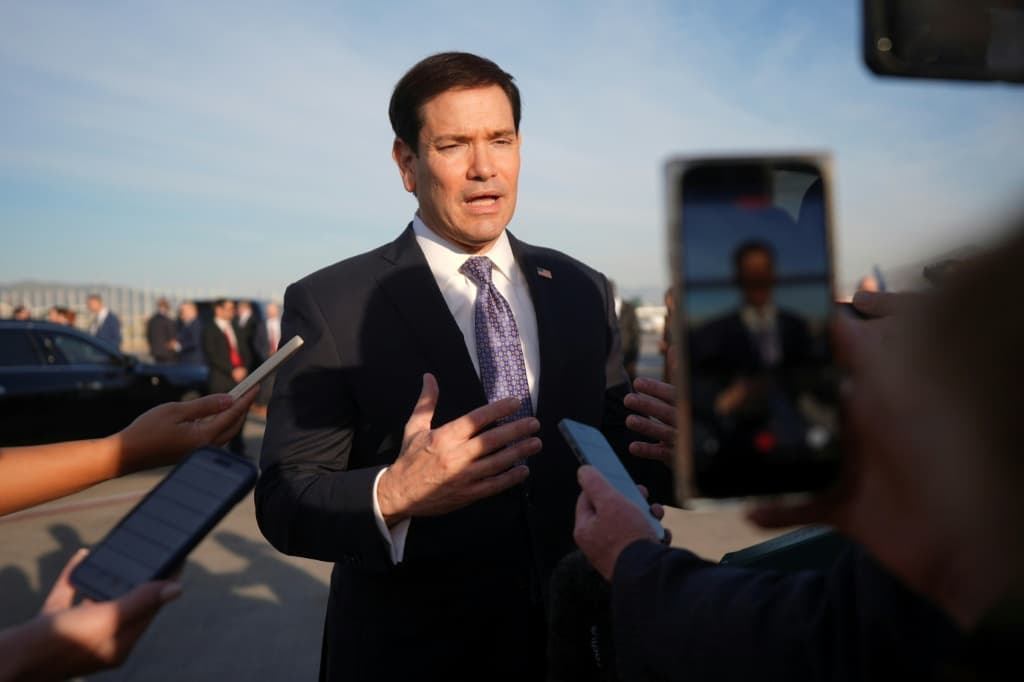
US Secretary of State Marco Rubio will visit India for the second time this year, but will skip Delhi — he is expected in Mumbai and the oil hub of Jamnagar. Experts say the main unresolved issue is the unagreed trade deal: hampered by legal uncertainty around Trump's tariffs, disagreements over agriculture and energy, and Washington's warming ties with Pakistan.
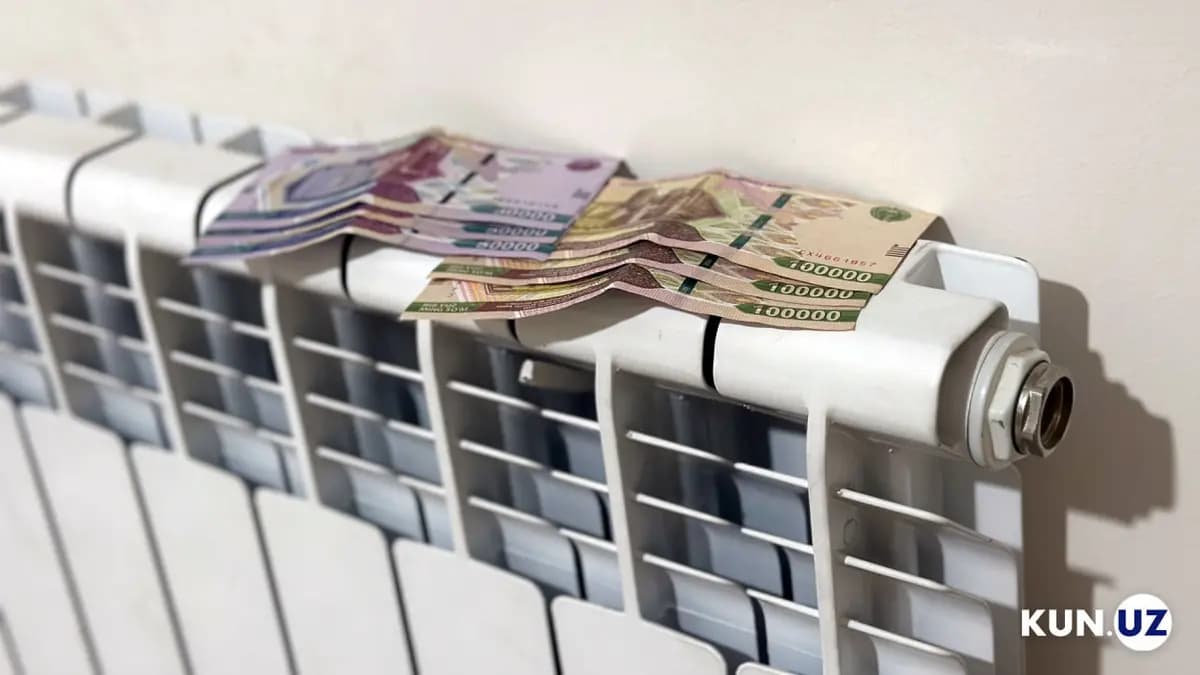
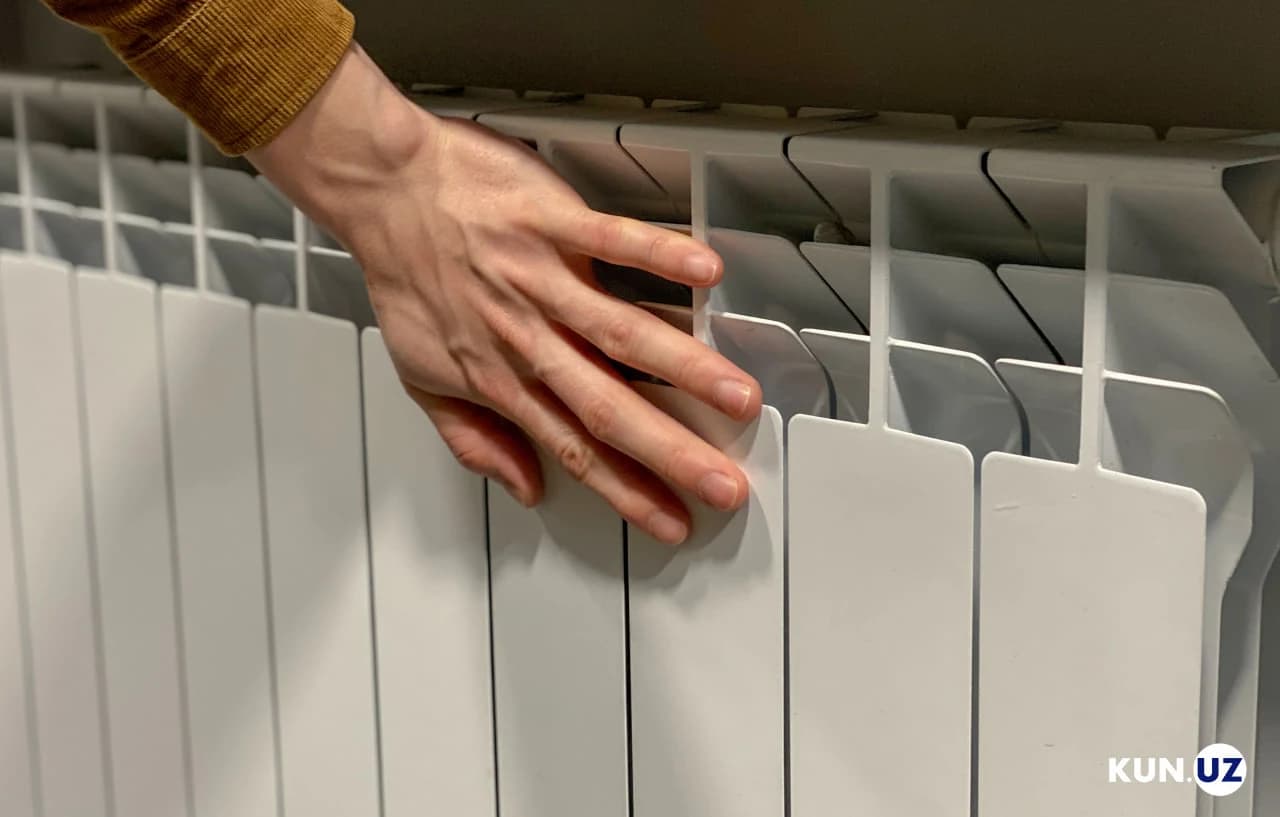
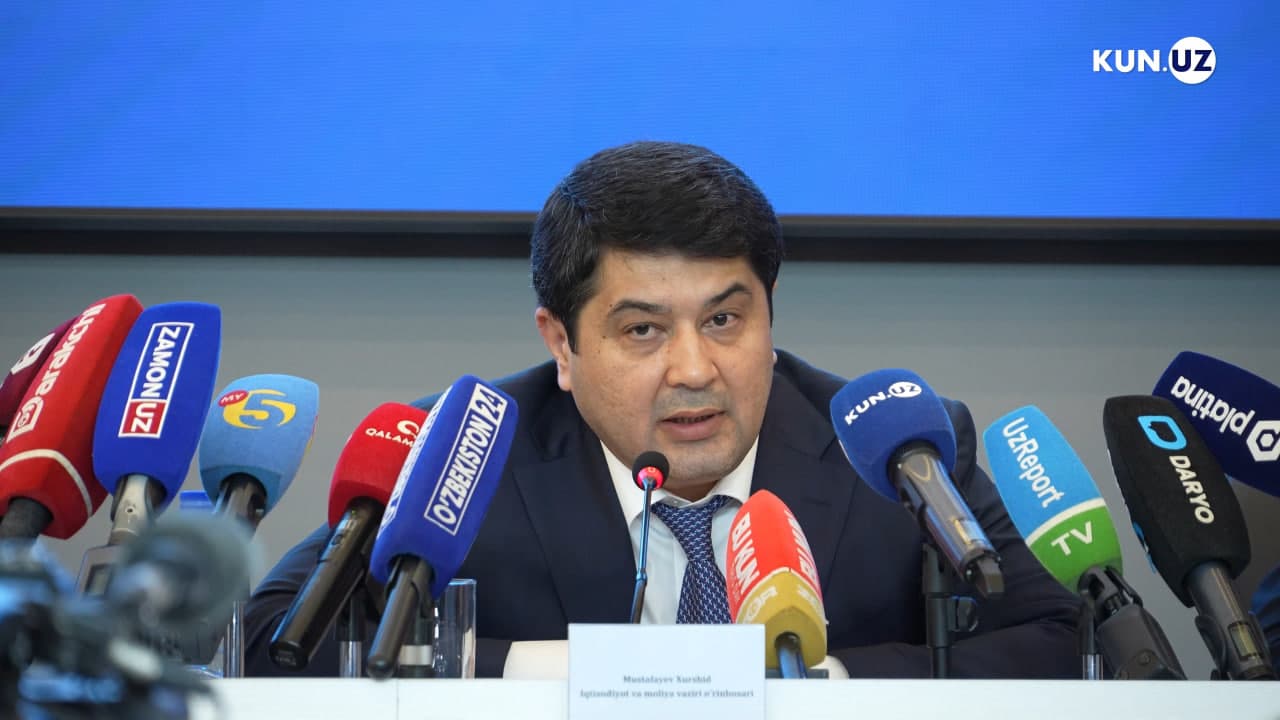
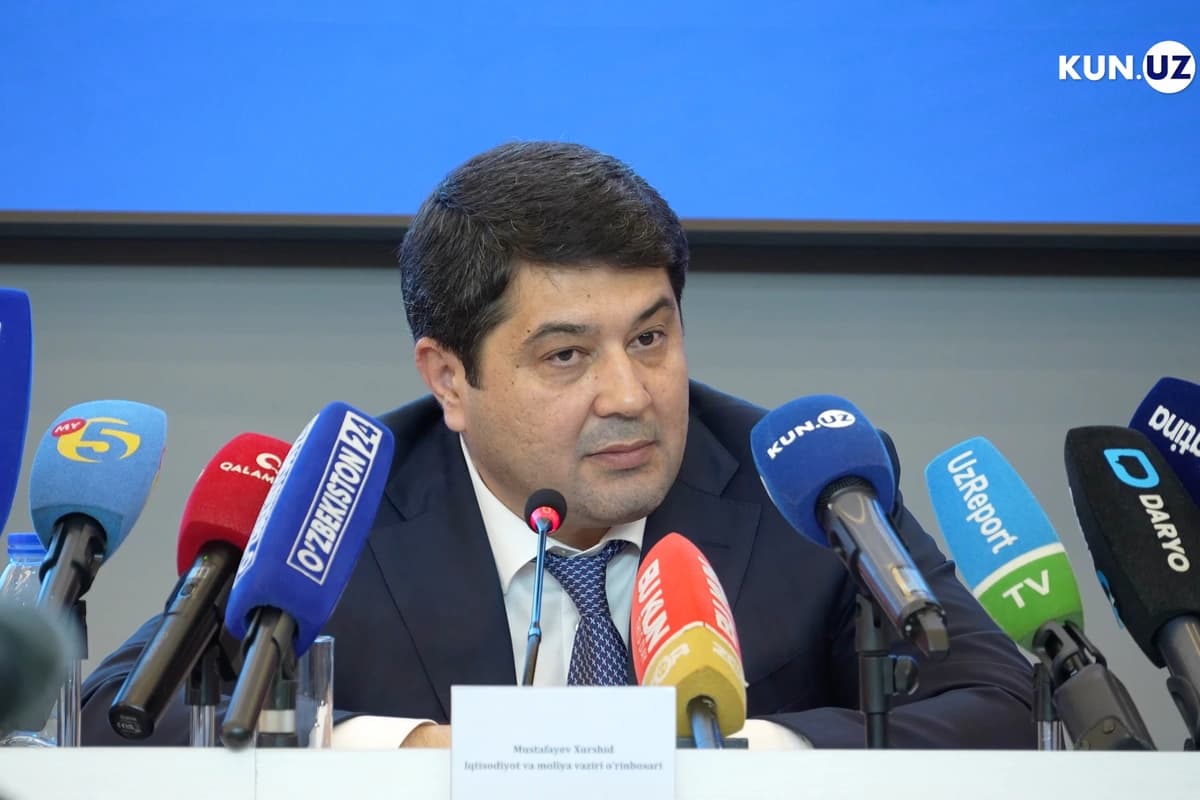
A draft government resolution submitted for public discussion provides for a 30% increase in heating and hot water tariffs from November 1, 2026, and, from May 1, 2028, annual indexation by inflation but no more than 10%. Deputy Minister of Economy and Finance Khurshid Mustafayev explained this by a five-year freeze on tariffs in Tashkent and a fivefold gap between cost price and the price for the population.
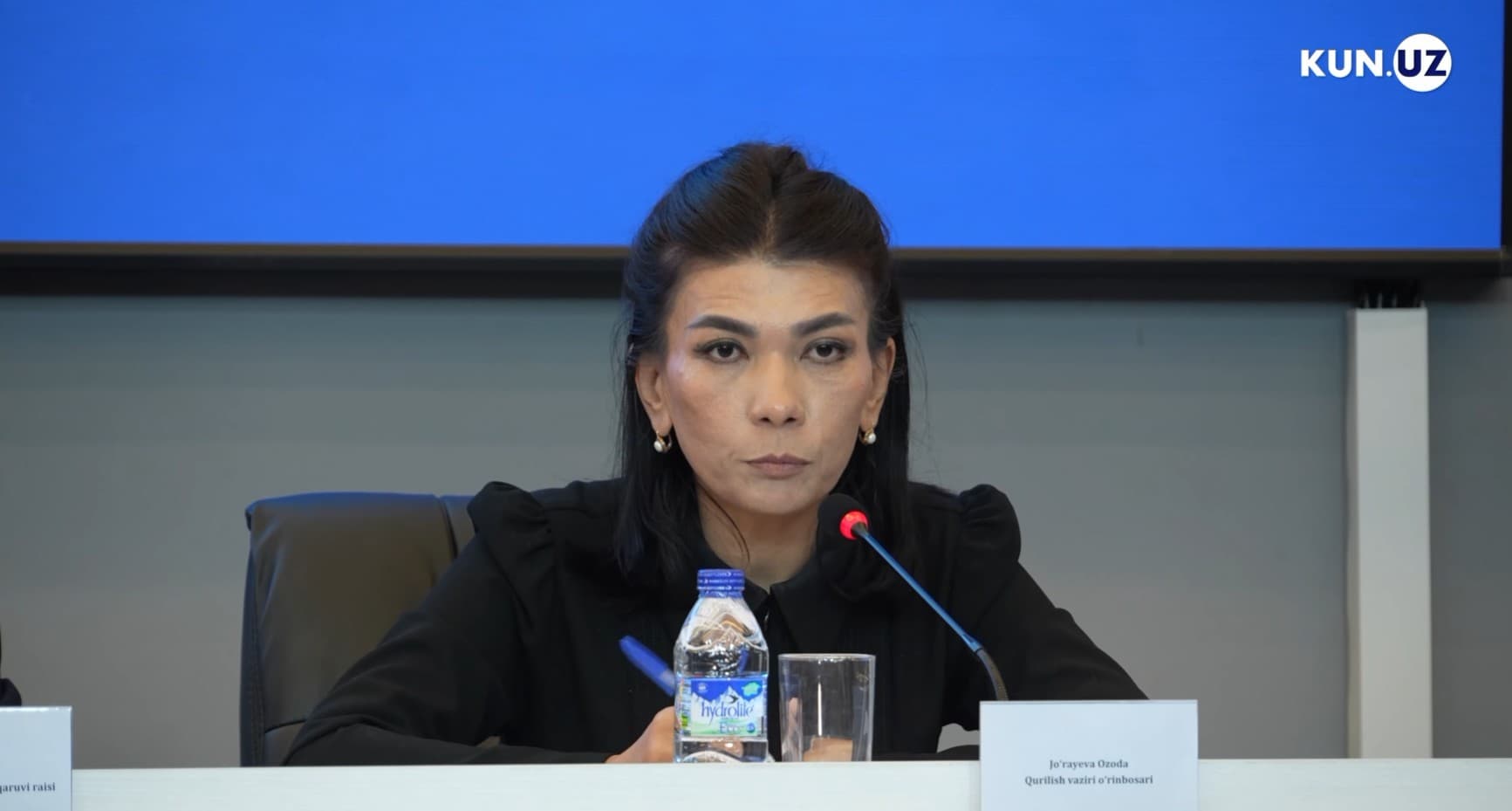
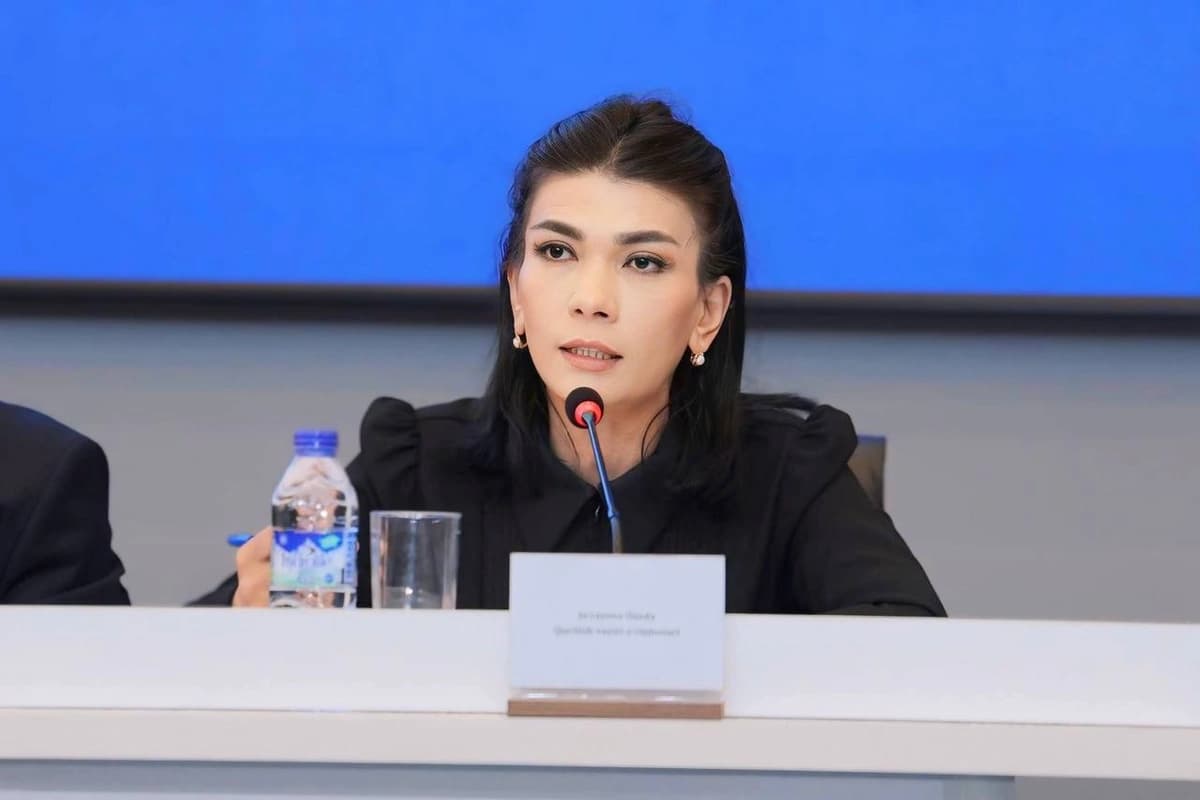
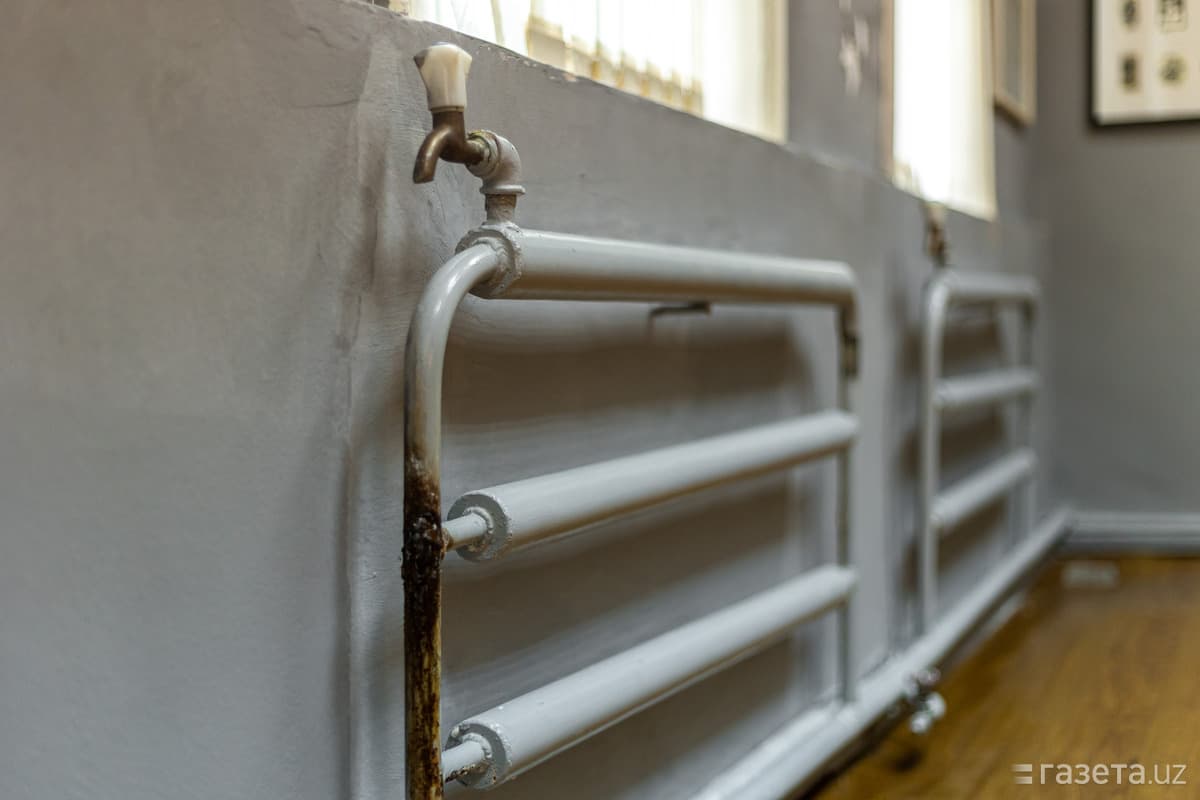
From November 1, tariffs for heat and hot water in Uzbek cities may rise; in Tashkent a 30% increase has been proposed. Deputy Minister of Construction Ozoza Juraeva stated that apartment buildings connected to central heating cannot be disconnected from the network and switched to individual gas boilers. Unauthorized alteration of in-building pipes is prohibited by government resolution No. 194 of July 5, 2014. Also, since December 1, 2022, new apartment buildings are not connected to gas — only to electricity supply.
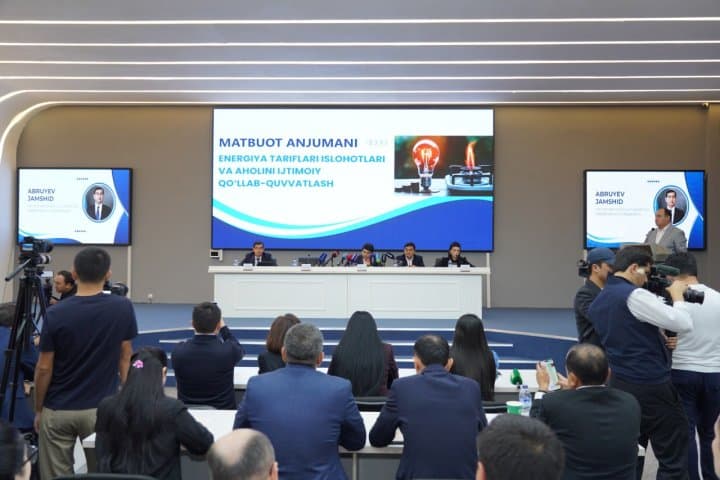
Deputy Minister of Economy and Finance Khurshed Mustafayev said that from 2023 to 2025 the average monthly electricity consumption per subscriber fell from 212 to 184 kWh (−13%), and gas from 431 to 342 cubic meters (−21%). Deputy Director of the National Agency for Social Protection Jamshid Abruev explained the shift to targeted support by the fact that the previous subsidies benefited higher-income families more. Over a year and a half, about 470 thousand families received compensation totaling 156 billion soums.
Deputy Minister of Construction and Housing and Communal Services Ozoda Zhurayeva said that disconnecting apartments from central heating in order to switch to individual boilers is prohibited by Cabinet of Ministers Resolution No. 194 of July 5, 2014. The ban is explained by the need to keep the building's common system operational. The question was prompted by a proposal to raise heating and hot water tariffs by an average of 30% from November 1, 2026.
Deputy Minister of Economy and Finance Khurshed Mustafayev stated that after tariff reforms the population has switched to saving: average electricity consumption per subscriber decreased from 212 to 184 kWh per month (by 13%), and gas — from 431 to 342 cubic meters (by 21%).
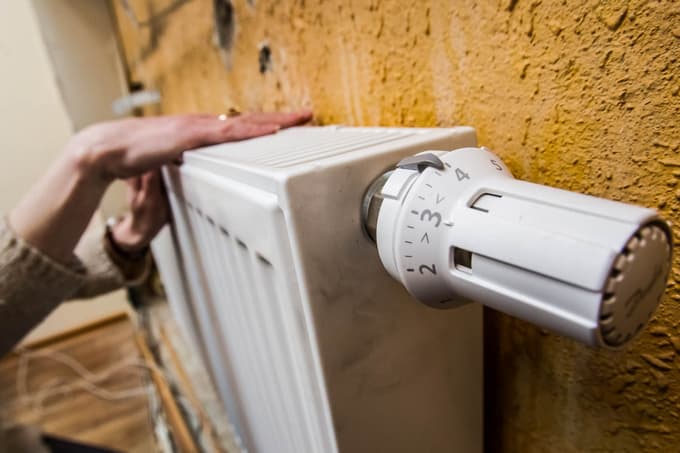
Uzbekistan's Ministry of Construction and Housing and Communal Services has put up for public discussion a draft government resolution on raising heating and hot water supply tariffs for the population across the country from November 1, 2026. For consumers of Veolia Energy Tashkent, a 30% tariff increase is proposed: thermal energy — 203,636 soums per Gcal, heating — 314 soums per square meter per day, hot water by meter — 11,607 soums per cubic meter. The rationale is the gradual alignment of tariffs with cost price.
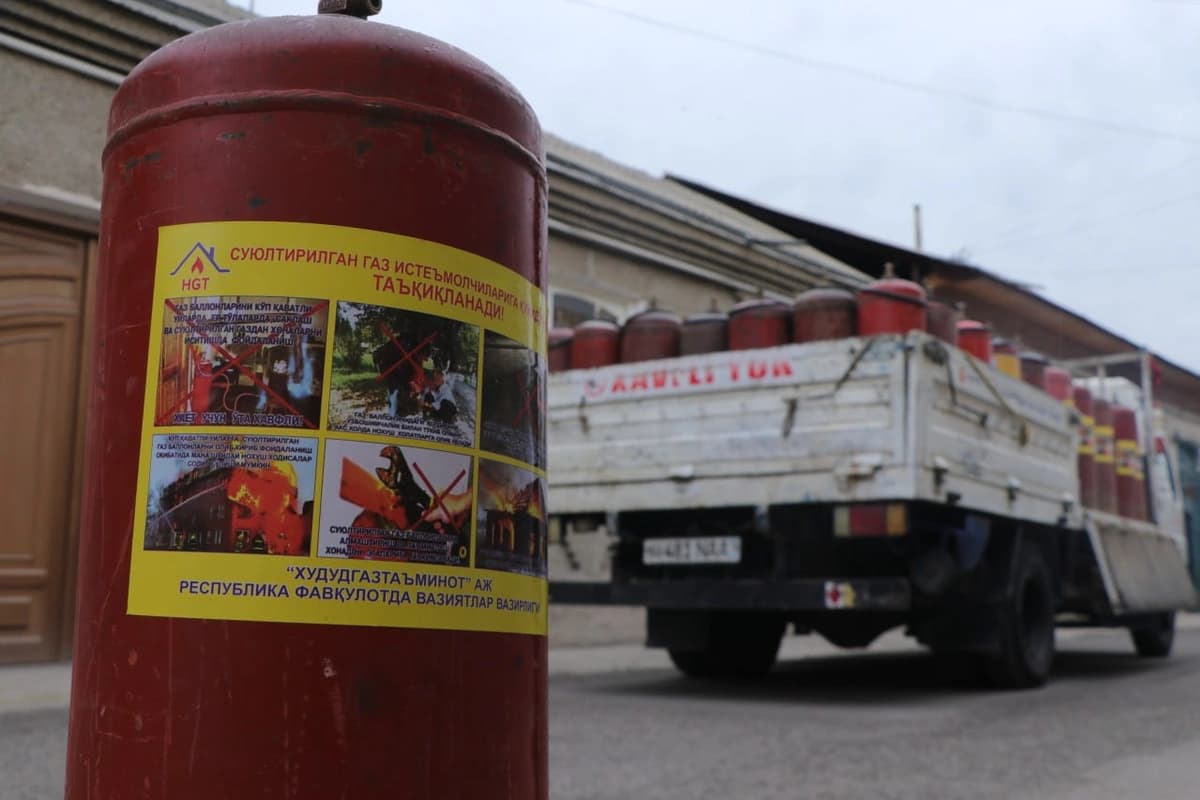
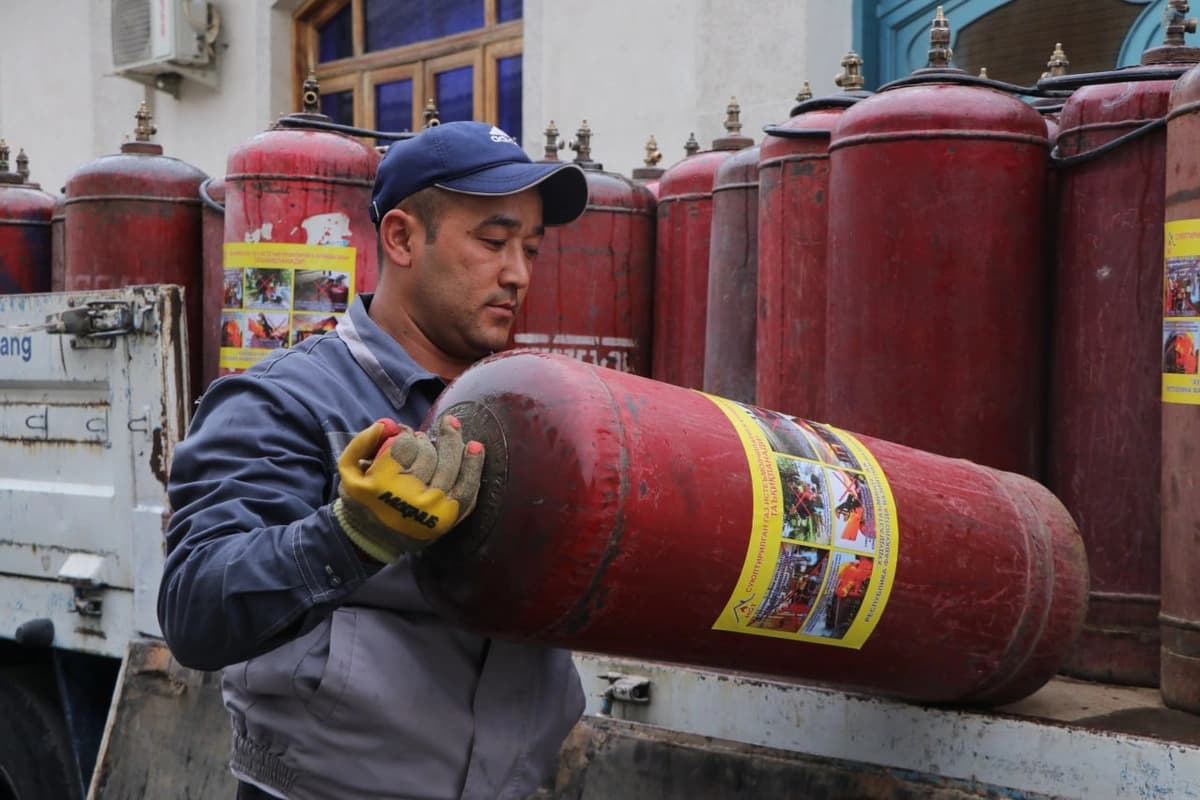
Uzbekistan's Ministry of Economy and Finance has put up for public discussion a draft resolution raising the retail price of liquefied gas for the population from 2,000 to 5,000 soums per kilogram including VAT. For socially vulnerable families, a compensation of 3,000 soums per kilogram is provided, but no more than 20 kg per month. The introduction date differs between the document and the explanations: October 1 or November 1, 2026.
A draft presidential decree, released for public discussion, provides for one-time financial aid of 1 million soums in November 2026, expanded criteria for compensation for electricity, gas and coal, an increased baseline electricity consumption norm, and new heating tariffs.
A draft presidential decree published by the National Agency for Social Protection provides for a one-time payment of 1 million soums in November 2026 to more than 1,017,000 families. It also proposes raising the basic electricity norm for non-gasified areas, expanding compensation for electricity, gas and coal, and introducing new heating and hot water tariffs from 1 November.
At a press conference on October 14, Deputy Minister of Economy and Finance Khurshid Mustafayev explained the reasons for choosing a baseline norm of 350 kWh: analysis showed that 60% of residents of non-gasified areas consume up to 300 kWh in winter. The raised norm is planned to take effect from November 1, 2026 during the heating season; the 500 kWh option was not supported by a separate comparative calculation.
Deputy Minister of Economy and Finance Khurshed Mustafayev stated that from May 1, 2028, centralized heating tariffs in Uzbekistan will be indexed annually taking inflation into account, but by no more than 10%. According to him, a rigid link to current inflation would require revision if the economic situation changes. A similar mechanism has already been applied to electricity and gas tariffs since the beginning of 2026.
The Ministry of Construction and Housing and Communal Services has put forward for discussion a draft resolution on annual indexation of centralized heat supply tariffs from 2028 — from May 1, taking inflation into account, but by no more than 10%. Separately, from November 1, 2026, heating and hot water tariffs are proposed to be raised, in Tashkent — by approximately 30%. Deputy Minister of Economy and Finance Khurshid Mustafayev stated that the cost of heat is planned to be reduced by 30–40% by 2030 through modernization and reduction of losses.
The Ministry of Economy and Finance has published a draft resolution on liberalizing the liquefied gas market: by May 1, 2027, proposals on free pricing must be prepared, a pilot with private suppliers is underway in Andijan region, privatization of LPG-Trade and retail sale of cylinders are planned. The retail price is proposed to be raised from 2,000 to 5,000 soums per kg with compensations for those in need.
In Uzbekistan, changes to energy tariffs were discussed: the monthly social electricity norm in non-gasified areas during the heating season will be raised from 200 to 350 kWh, and the price within 201-350 kWh will be reduced from 900 to 650 sums per kWh. From November 1, heating and hot water tariffs will rise by 30%, although the cost of services is 4 times higher than the tariffs. Needy families will receive one-time assistance of 1 million sums, covering over 1 million 17 thousand households. Compensation for electricity and gas consumption above basic norms is extended until April 1, 2028, covering an additional 166 thousand families. A compensation of 3 thousand sums per kilogram of liquefied gas is proposed for Social Register families, and 240 billion sums will be allocated to improve the energy efficiency of 3 thousand houses.