The key facts
- The basic norm in non-gasified areas is proposed to be raised from 200 to 350 kWh for the heating season; the draft resolution was submitted for public discussion on 13 October.
- Justification: 60% of the population of such areas consumes up to 300 kWh in winter; the existing social protection mechanism covers the difference for 150 kWh above 200 kWh.
- The new norm will cover about 80% of subscribers; savings for over 1.5 million consumers are estimated at ~171 billion soums per season (~27.5 thousand soums per month).
Why 350 kWh and not 500
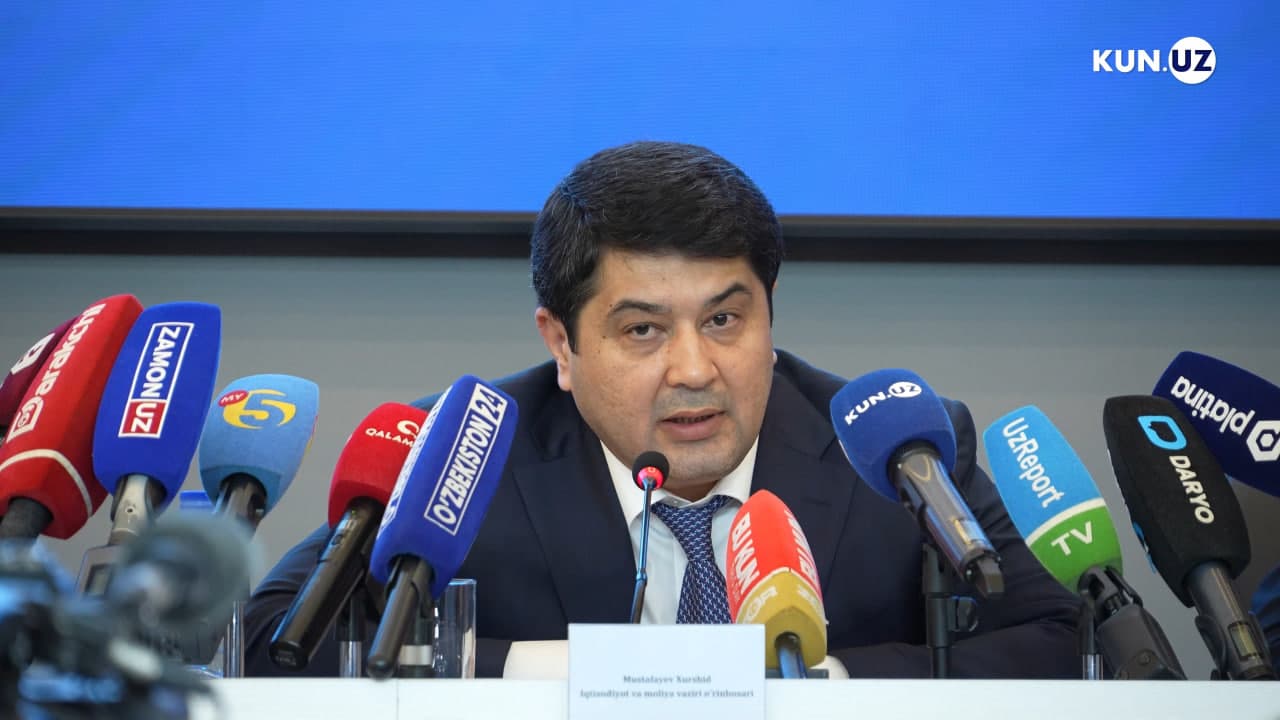
In Uzbekistan, it has been proposed to raise the basic electricity consumption norm for residents of non-gasified areas and territories with difficult gas supply from 200 to 350 kWh for the heating season. The corresponding draft government resolution was submitted for public discussion on 13 October. At a press conference on 14 October, Deputy Minister of Economy and Finance Khurshed Mustafaev answered journalists' question about why the figure of 350 kWh was chosen, although earlier discussions had mentioned a proposal of 500 kWh. He cited two grounds. The first is the existing social support mechanism: for low-income families, the difference in tariffs for an additional 150 kWh above 200 kWh is covered by the Social Protection Agency, allowing them to pay for this volume at the basic tariff. The second is an analysis of actual consumption: according to the ministry's data, 60% of the population of non-gasified areas consumes up to 300 kWh per month in winter, and the norm of 350 kWh was proposed based on this. At the same time, as Gazeta.uz notes, no separate comparative calculation for the 500 kWh option, including its impact on the budget, was presented at the press conference.
Who will be affected by the increase in the norm
According to Mustafaev, about 4 million households in the country currently do not receive natural gas via pipelines and use, in particular, liquefied gas. In addition, there are territories where gas is supplied unstably, especially during the heating season: supply may decrease or stop completely. To identify such territories, data on household gas supply from 2 December 2025 to 13 March 2026 were studied; the number of households with interruptions on individual days, according to the authorities, ranged from approximately 5 thousand to 607 thousand. The increased norm is proposed to apply both to non-gasified areas and to territories with difficulties in gas supply. Lists of such households are to be approved by regional khokimiyats based on proposals from Uzenergoinspektsiya, Khududgaztaminot and Regional Electric Networks.
Expected effect and duration
According to explanatory materials from the authorities, an analysis of consumption from September 2025 to August 2026 showed that during the heating season about 39% of households without gas supply consume more than 200 kWh per month, compared with approximately 25% in other months. Raising the norm will reduce the cost of electricity in the range of 201–350 kWh from the current 900 to 650 soums per kWh, i.e. by almost 28%. The new norm will cover about 80% of subscribers in non-gasified territories; more than 1.5 million consumers will be able to save a total of about 171 billion soums per season, on average about 27.5 thousand soums per month. With consumption of 250 kWh, the saving will be 12.5 thousand soums, at 300 kWh — 25 thousand, at 350 kWh — 37.5 thousand soums per month. The norm is proposed to be applied from 1 November 2026 during the heating season: from October to February in Karakalpakstan and Khorezm region, and from November to February in other regions.
Background
On 6 October, President Shavkat Mirziyoyev approved the proposal to increase the basic norm from 200 to 350 kWh for the heating season for residents of non-gasified territories and areas with difficult gas supply. Gazeta.uz also recalls that in October 2024 the head of the Energetika ministry announced plans to introduce, from 1 January, a 50% discount on electricity within the social norm for private houses without gas supply; in November of the same year, the ministry reported that the draft had been sent for legal review, but no new information has been published since then about the fate of the document or the reasons why the discount was not introduced. At the end of October 2025, the head of the ministry noted that the project of benefits for electricity payments for houses not connected to the gas network requires additional calculations on infrastructure.


