The key facts
- Rubio will visit Mumbai and Jamnagar, skipping Delhi; talks on the interim deal agreed in February remain unfinished
- Court challenges to tariffs, disagreements over agriculture and energy are obstacles; Sitharaman spoke of a 'plateau' in negotiations
- Indian goods exports to the US rose 21% in August to $8.3 billion despite tariffs
A Visit Without Delhi
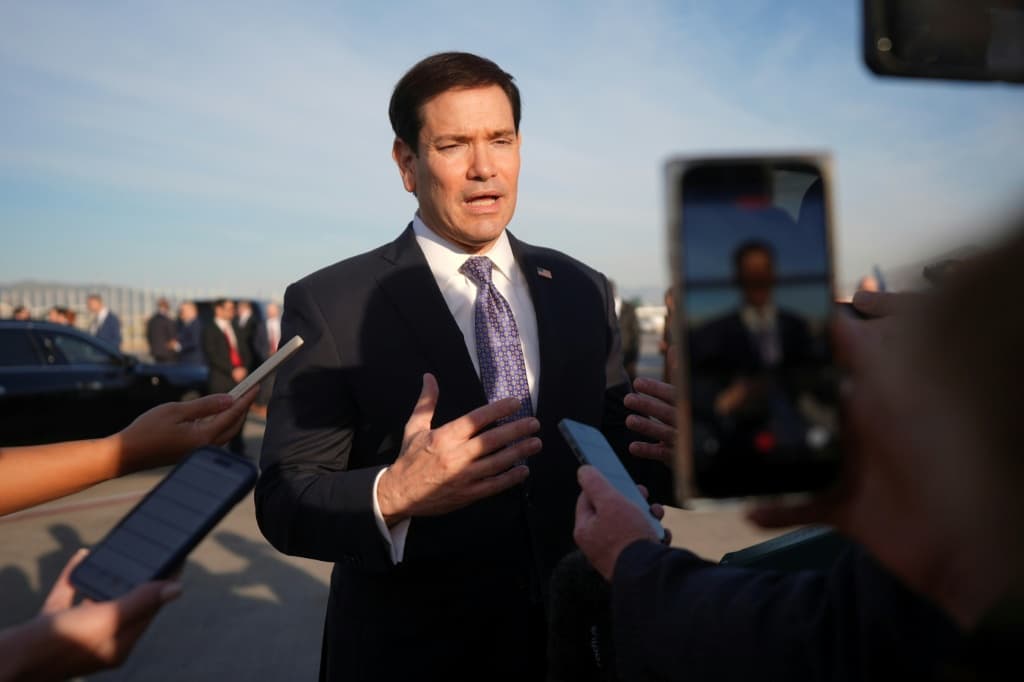
US Secretary of State Marco Rubio will depart on a six-day foreign trip on Saturday, starting with Uzbekistan and then arriving in India — for the second time this year. According to the State Department, he will meet with senior Indian officials but will bypass the capital. Instead, the visits will take place in the financial hub of Mumbai and the oil hub of Jamnagar, home to the world's largest oil refining complex owned by billionaire Mukesh Ambani. The main topics are investment and energy.
A Stalled Deal
According to experts, the 'elephant in the room' will be the unsigned trade agreement. In February, the two sides agreed on a framework for an interim deal: Washington would reduce reciprocal tariffs from 25% to 18%, while India would cut tariffs on a range of industrial and agricultural goods. Despite months of negotiations, the agreement has not been finalized or signed.
Reasons for the Slowdown
One reason is the legal uncertainty surrounding Trump's tariff policy: court challenges have undermined the basis of reciprocal tariffs. 'After that tariff regime was struck down, the value of the American offer became unclear,' noted trade expert Ajay Srivastava. India is also wary of new measures from Washington, including an investigation into alleged unfair practices in a number of countries and a law allowing tariffs of up to 100% for buyers of Russian oil. On Friday, Trump signed an order rescinding those sanctions threats. AFP also cites friction over energy imports and Washington's warming relations with Pakistan — India's longtime rival — as complicating factors.
A Cautious Tone on Both Sides
For much of the year, both sides spoke of an optimistic conclusion to the deal: in June, US Ambassador to India Sergio Gor said negotiators were working on 'the last one percent.' However, the tone has become noticeably more cautious. India's Finance Minister Nirmala Sitharaman said last week that the talks had reached a 'plateau' with almost no room for further concessions. That came days after US Trade Representative Jamieson Greer said an announcement was not 'imminent.'
Disagreements and Hopes for a Finish
Agriculture remains a sensitive topic: India does not want to expose its farmers to foreign competition. Washington, in turn, is seeking purchases of American energy supplies. New Delhi is also insisting that its final tariff rate be competitive with the terms offered to regional rivals such as Vietnam. India's Trade Minister Piyush Goyal said this week that the first tranche of the deal is in the final stage but will not take effect until India gains an advantage over competitors: 'The final contours are being worked out, legal editing is underway, and we hope to finalize and launch it soon, having gained a competitive advantage over partner countries.'
The Export Paradox
Indian goods exports to the US rose 21% year-on-year in August to $8.3 billion — despite tariffs of 50% being in effect a year earlier. The export growth has been a bright spot for the Indian economy, which is suffering from high energy prices due to the war in the Middle East. Economists warn that a return of high tariffs would cloud India's growth forecasts, hurt market sentiment, and increase pressure on the weakened rupee.