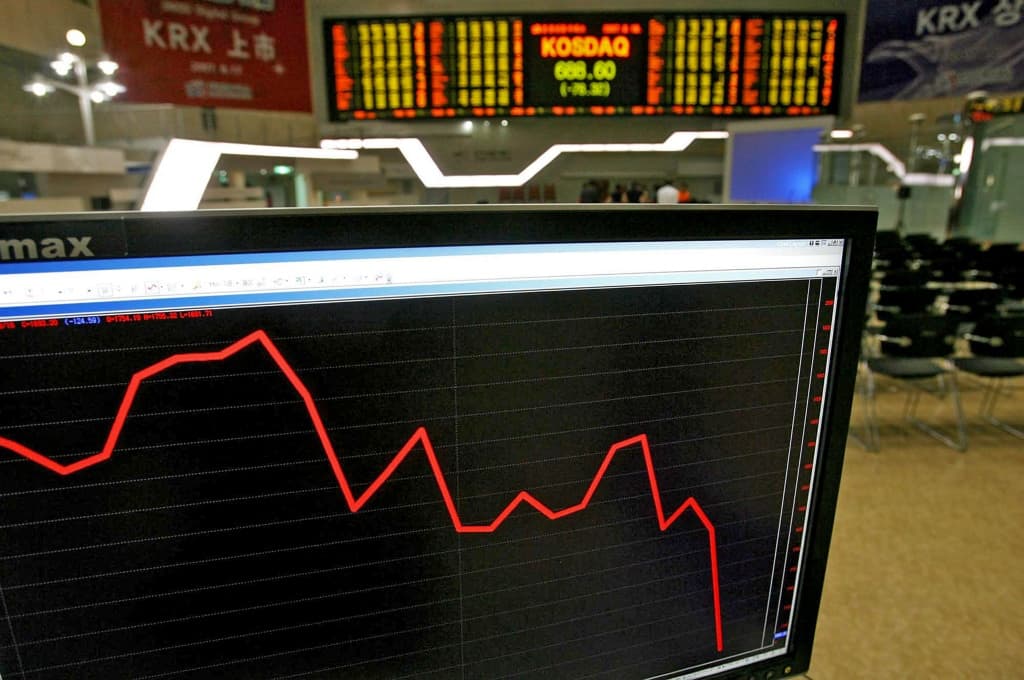
Alphabet shares fell 12% after profit came in below expectations while large AI spending continued, the Nasdaq slipped 1.3%, and European indices rose on record profits from Shell and TotalEnergies. The Fed and the ECB held rates, and US inflation remains above target.
Major stock markets mostly rose on Monday amid expectations of decisions by the Federal Reserve, the ECB and the Bank of Japan and tech company earnings. The Brazilian real plunged more than 10% after Lula's re-election, and Anthropic announced plans to go public. Oil pulled back from a six-month high.
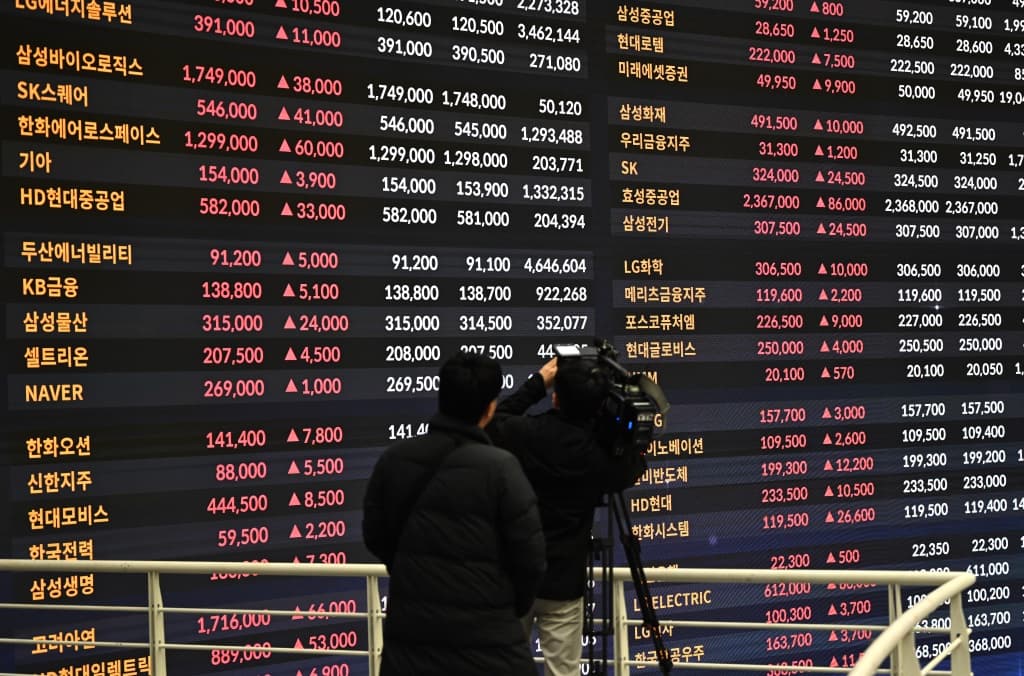
On Monday, Asian stock indexes showed mixed dynamics: Seoul lost more than 1%, Tokyo 0.8%, while Hong Kong, Shanghai and Sydney rose. Investors are preparing for earnings from Amazon, Microsoft, Alphabet, SK hynix and Samsung, as well as decisions from the Fed, the ECB and the Bank of Japan. Oil pulled back from a six-month high, and markets remain uncertain about the returns on AI investments and geopolitical tensions in the Middle East. On Monday, Asian stock indices showed mixed dynamics: Seoul lost more than 1%, Tokyo 0.8%, while Hong Kong, Shanghai and Sydney rose. Investors are preparing for earnings reports from Amazon, Microsoft, Alphabet, SK hynix and Samsung, as well as decisions from the Federal Reserve, the ECB and the Bank of Japan. Oil pulled back from a six-month high, and markets remain uncertain about the return on AI investments and geopolitical tensions in the Middle East.
Brent crude hit a five-month high, rising above $115 per barrel amid the Middle East conflict, speculation about possible new US and Israeli strikes, and growing winter energy demand. Global stock markets reacted differently: US and European indices declined, while Asian markets closed mixed. Pressure on equities came from weak earnings reports by Kering and Volvo Cars, as well as doubts about the sustainability of AI spending.
On Friday, Asian indexes showed mixed dynamics: technology companies partially recovered from their morning decline thanks to bargain-buying after a difficult week for the sector. Investors are seeking safe havens: the yen is rising along with demand for US government bonds, while Brent is approaching $115 due to the escalation of the conflict with Iran.
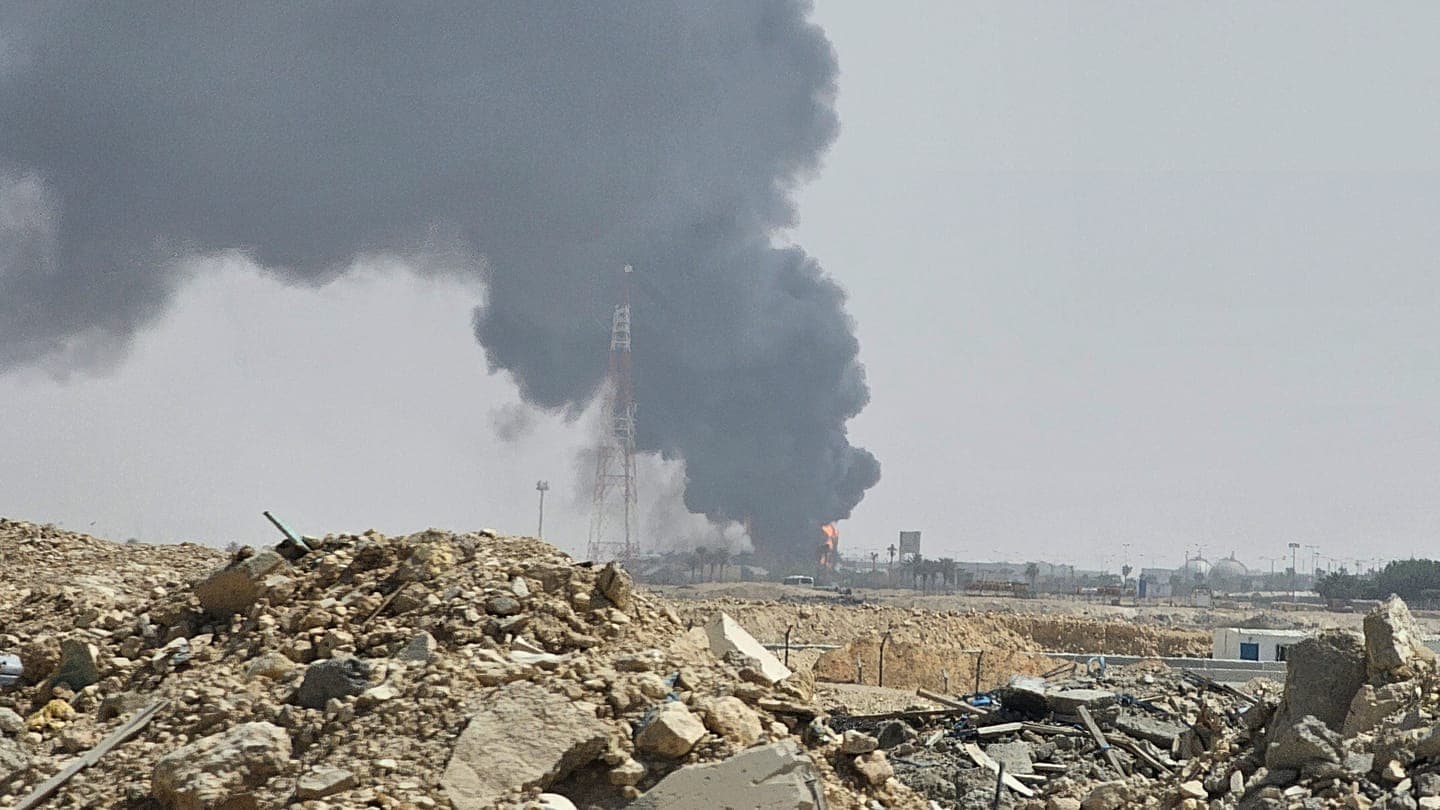
Asian and European stock markets fell significantly on October 22, 2026 after mixed reports from Meta and Tesla. AI-related stocks continued to decline from their June record highs amid concerns over investment volumes and the cost of debt financing. Additional pressure came from oil prices rising by more than three percent after attacks by Yemen's Houthis on facilities in Saudi Arabia.
US indices closed higher as SpaceX shares jumped 7.8% following a report of 161% revenue growth and news of a possible merger with Tesla. Semiconductor companies received support, while Netflix fell more than 5%. European indices also rose on strong corporate earnings.
US indices mostly rose on October 20, 2026: the Dow gained 1% on strong 3M earnings as investors pulled money out of technology and AI stocks. Oil fell after comments from a Qatari Foreign Ministry spokesman about continuing US-Iran talks. Markets declined in Asia and Europe: the Kospi dropped nearly 4%, and French government bond yields hit their widest spread against German bonds since 2011.
Tuesday on US markets was mixed: the Dow rose 1.02%, the S&P 500 gained 0.28%, and the Nasdaq slipped slightly. Support came from 3M and Northrop Grumman earnings and falling oil prices, while concerns over AI spending weighed on technology stocks. European indices fell amid protests in France.
Technology stocks led the decline amid growing doubts about the sustainability of the investment boom around AI. Seoul and Tokyo were hit hardest: Kospi lost almost 4%, Nikkei more than 1%. Oil is rising on supply disruption risks, including Ukrainian drone attacks on Russian refineries. Market attention is focused on Meta and Tesla earnings.
European indices declined on Tuesday amid mass protests in France that began over the weekend. Prime Minister Sébastien Lecornu ordered the introduction of partial curfews, and Paris announced the creation of a fund to support local authorities. In Italy, truck drivers are protesting against rising fuel prices. The yield on French 10-year bonds rose to 4.94%.
Brent crude is holding around $110, with WTI above $104, amid the risk of new Iranian attacks in the Strait of Hormuz and record tanker freight rates. Asian LNG prices hit their highest level since December 2022, and European gas is near multi-year peaks. European markets opened lower, while in Asia the tech sector led a sell-off on concerns about the return on AI investments.
Technology stocks led a sell-off on Asian exchanges on Tuesday: investors ignored Wall Street's rebound amid growing doubts about the sustainability of the AI investment boom ahead of Meta and Tesla earnings. SK hynix, Samsung, Kioxia and SoftBank suffered heavy losses, with the Kospi down 3.7%. Oil is rising on risks around the Strait of Hormuz, while the euro is under pressure from protests in France and Italy.
Paris and Milan led the decline of European markets on Monday amid mass riots in France and clashes in Milan, which heightened concerns over high debt. Nasdaq rebounded after last week's drop on AI worries. In Jakarta, the market plunged to a six-year low following an MSCI decision.
Asian stock indices mostly declined on Monday amid a sell-off in US tech stocks driven by doubts about the returns on AI investments. CoreWeave shares fell roughly 30% over a month; investors await Tesla and Meta earnings and the Fed's rate decision next week.
On Friday most Asian markets rose after Thursday's rout driven by concerns over the AI boom. Support came from Nvidia chief Jensen Huang's defense of CoreWeave and upbeat comments from Fed chief Kevin Warsh about AI. The Indonesian market crashed more than 11% after MSCI's decision to strip the country of its emerging-market status.