The key facts
- Brent around $110, WTI above $104 — a five-month high; the market is pricing in a risk premium, according to ING
- Asian LNG at $30.4 per million BTU (highest since December 2022), Dutch TTF just below €88/MWh
- Asian tech shares falling: Kospi −3.7%, SoftBank −5%, Elice lost as much as 33% on its debut
Oil at a Five-Month High
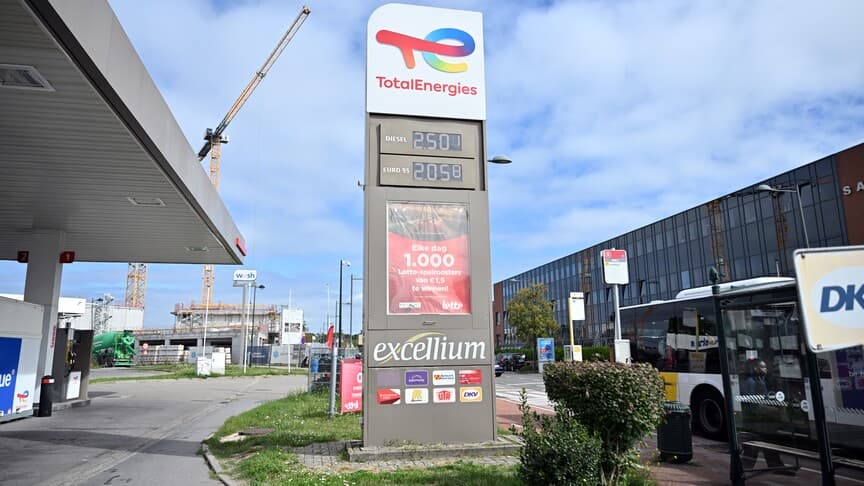
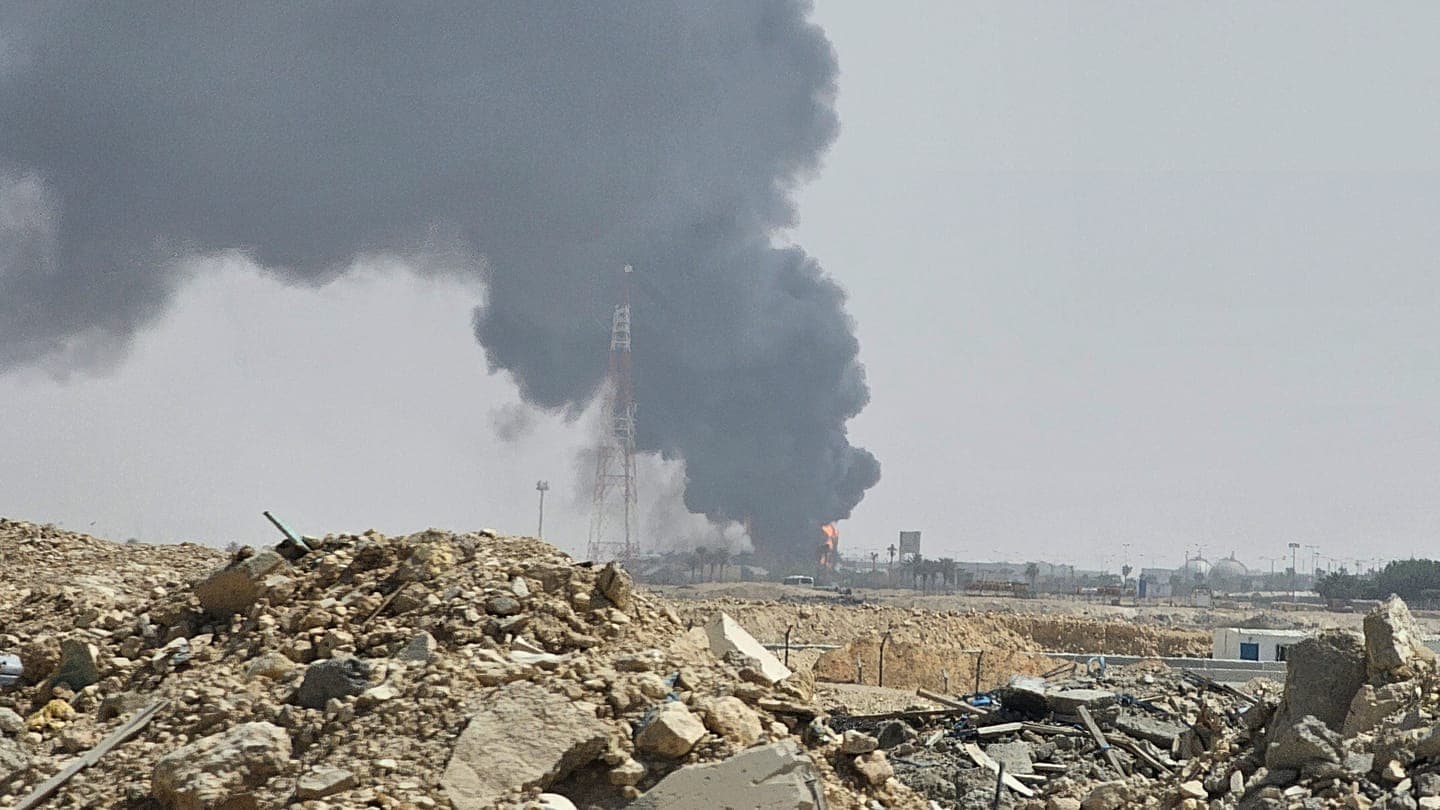
On Tuesday morning, oil traded near a five-month high: Brent futures were priced at around $110 per barrel ahead of the opening of European markets, with WTI for delivery next month above $104. Traders are assessing the risk of new Iranian attacks in the Strait of Hormuz amid relatively steady oil supplies from the Persian Gulf. ING strategists note that high prices amid strong flows 'suggest the market is pricing in a significant risk premium given the volatility of the situation'; there are no signs of it easing yet. Record tanker freight rates are adding further costs. The US is considering allowing the sale of sanctioned tankers to expand shipping capacity, but, in ING's view, it is unclear how much capacity this would add and how quickly it would ease prices.
Gas Supplies and Prices
US Energy Secretary Chris Wright told Fox News that crude flows from the Gulf have recovered to roughly 80% of pre-war levels, while refined product supplies face more serious constraints. According to Bloomberg, citing traders, spot LNG prices in Asia rose on Monday to $30.4 per million BTU — the highest since December 2022. This followed a report by UK Maritime Trade Operations that on Saturday, off the coast of Yemen, fire was opened from a small vessel at an LNG tanker. European gas is also close to multi-year highs: Dutch TTF futures — more precisely, Dutch TTF — for delivery next month traded just below €88 per MWh, down from levels above €89, according to ICE.
European Markets and the UK
European bourses opened slightly lower after Monday, when the decline was led by French stocks and bonds amid protests in France that refocused attention on the unbalanced finances of the eurozone's second-largest economy. The FTSE 100 and CAC 40 each lost 0.2%, the DAX more than 0.4%. In the UK, investors were supported by reports that Chancellor John Healey will not raise capital gains tax in next week's budget (currently 18% for the basic rate and 24% for the higher rate). The labour market proved more resilient than expected: unemployment for the three months to August fell to 4.7% from 4.9%, and the number of employees rose by 13,000 — the most in a year — which could give the Bank of England more grounds to hold rates.
Asia: Tech Share Sell-Off on Doubts Over AI
In Asia, technology shares led the sell-off: investors ignored a rebound on Wall Street amid growing concerns about the AI investment boom ahead of key earnings reports. The Nikkei 225 lost 1.3% (SoftBank more than 5%, Kioxia almost 2%), the Shanghai Composite closed up 0.1%, Hong Kong fell 1.1%, and South Korea's Kospi lost more than 3.7%. South Korean AI company Elice fell as much as 33% on its debut on Kosdaq amid concerns over borrowing costs, competition and uncertain returns on AI investments. TSMC was in the red, although Taiwan's Taiex rose slightly; markets in Sydney, Singapore, Wellington and Manila also declined. The sell-off came despite a positive day on Wall Street, where the Nasdaq was supported by Amazon, Microsoft and Nvidia. Since the June records, investors have increasingly doubted whether tech companies' high valuations are justified and how long AI spending will take to pay off; rising rates are pressuring highly indebted companies. This week, SpaceX, Meta and Tesla will report earnings.
Bonds, Currencies and Gold
Yields on 10-year government bonds in the US, Germany and France edged lower: the US around 5.123%, France 4.903%, Germany roughly 3.439% just after the opening of European markets. The dollar weakened slightly to 158.45 yen from 158.46, while the euro traded at $1.1225, almost unchanged. Gold was priced at about $4,152.80 per ounce at the opening of European markets, slightly lower.