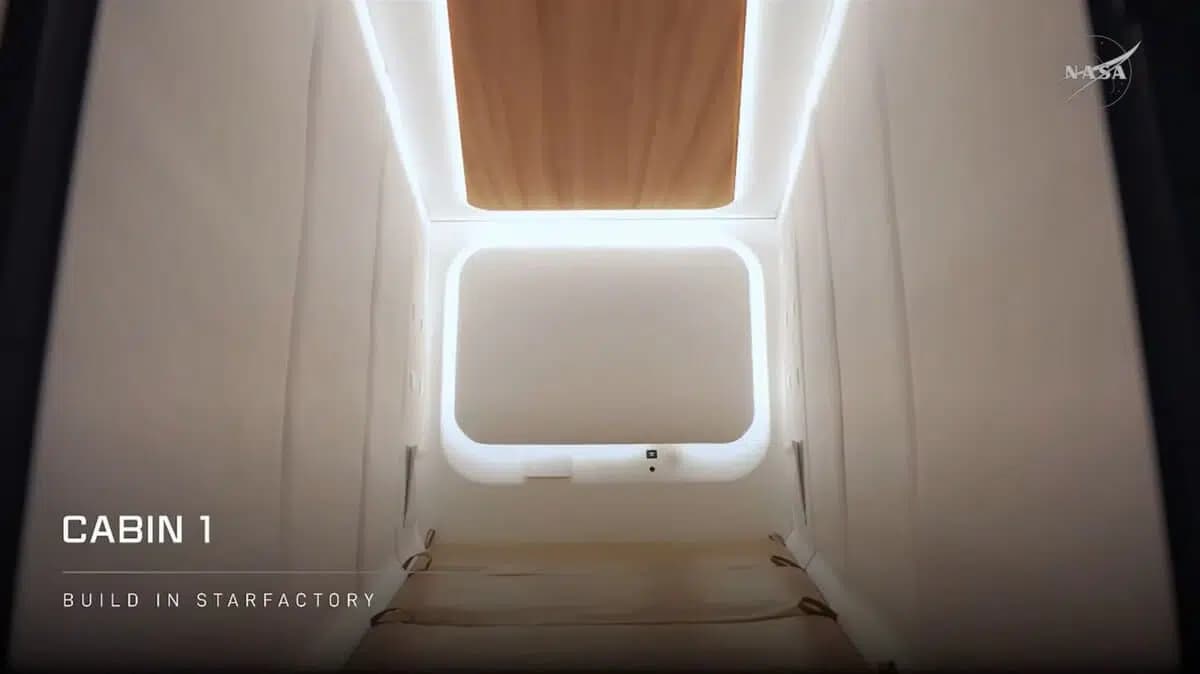
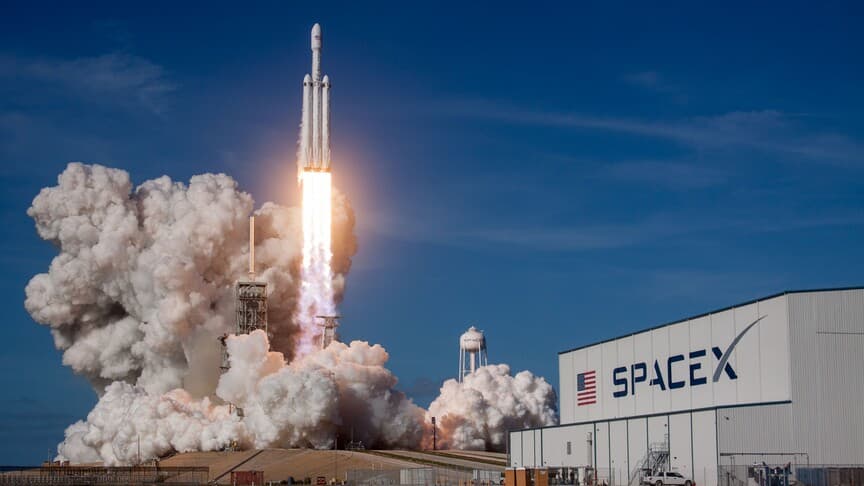
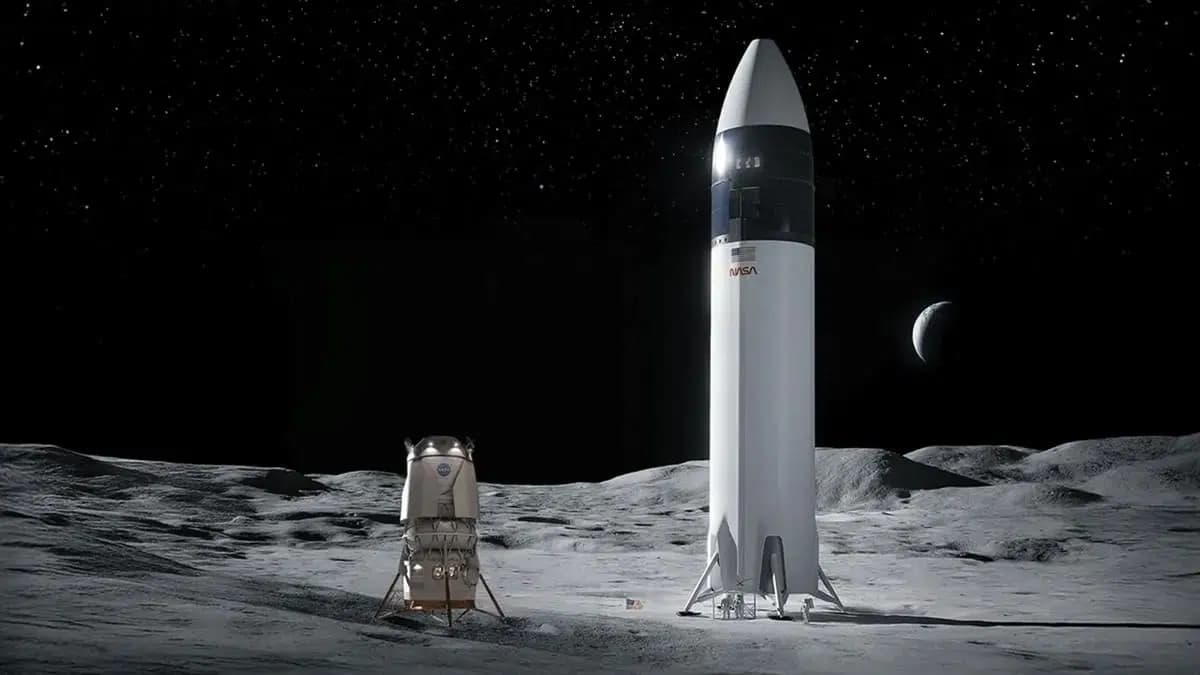
NASA and SpaceX have demonstrated images of the Cabin 1 cabin being assembled at Starbase in Texas, along with an updated work schedule leading up to the landing of astronauts on the Moon in 2028.
SpaceX has secured a commitment of roughly $40 billion to purchase AI chips and server equipment: Apollo will buy the hardware and lease it back to SpaceX for about five years. The deal was announced after a strong quarter for the company's AI segment and amid tension in the debt market for AI infrastructure.
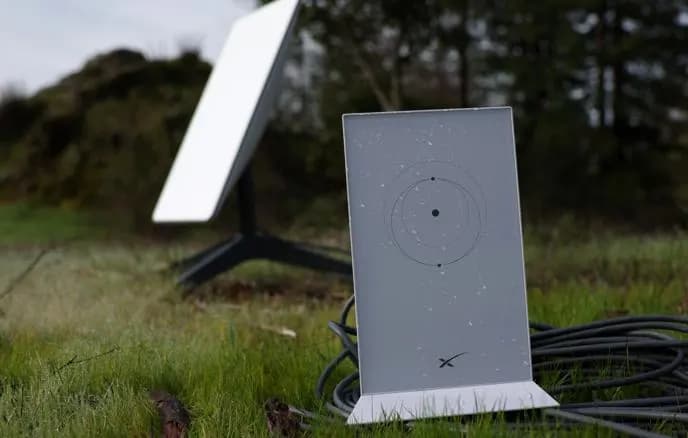
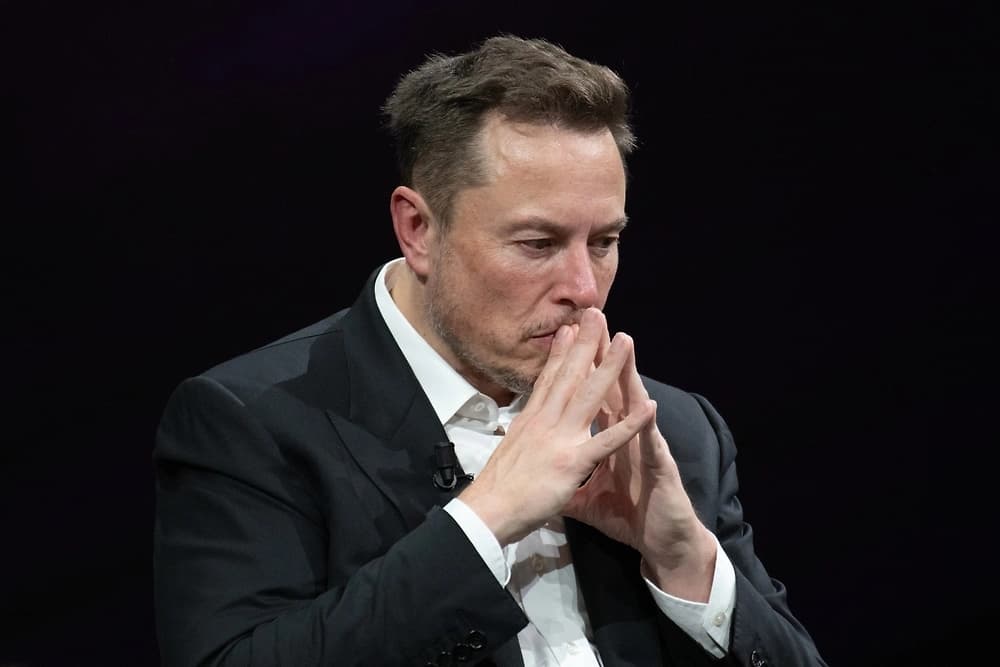
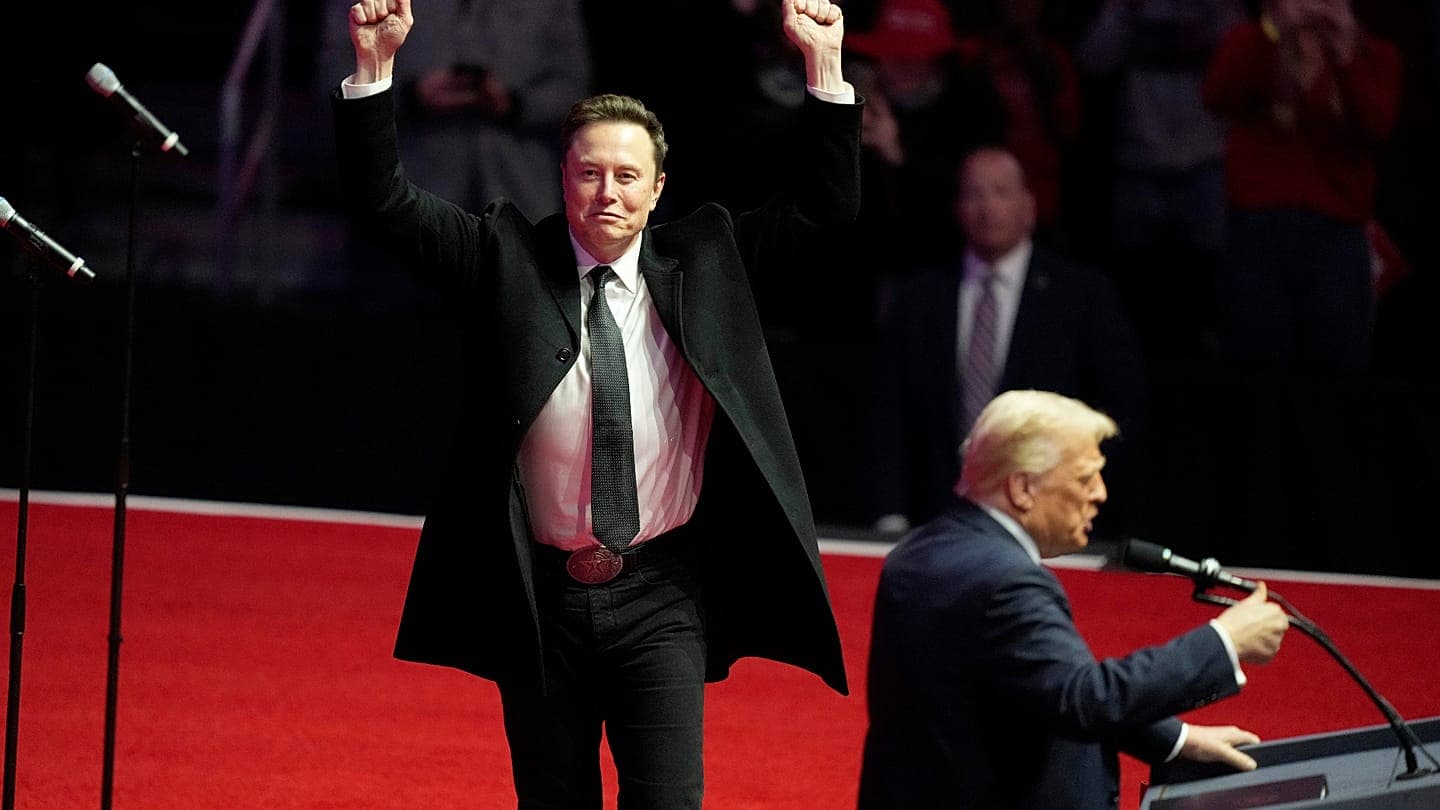
SpaceX CEO Elon Musk said on October 25 on the social network X that using Starlink in offensive operations could make the system a legitimate target for retaliatory strikes. According to him, a strike on the satellites would create a debris field and a 'domino effect'. Earlier, on October 24, he claimed that the Ukrainian Armed Forces had used Starlink to control offensive drones, and that this capability had been restricted.
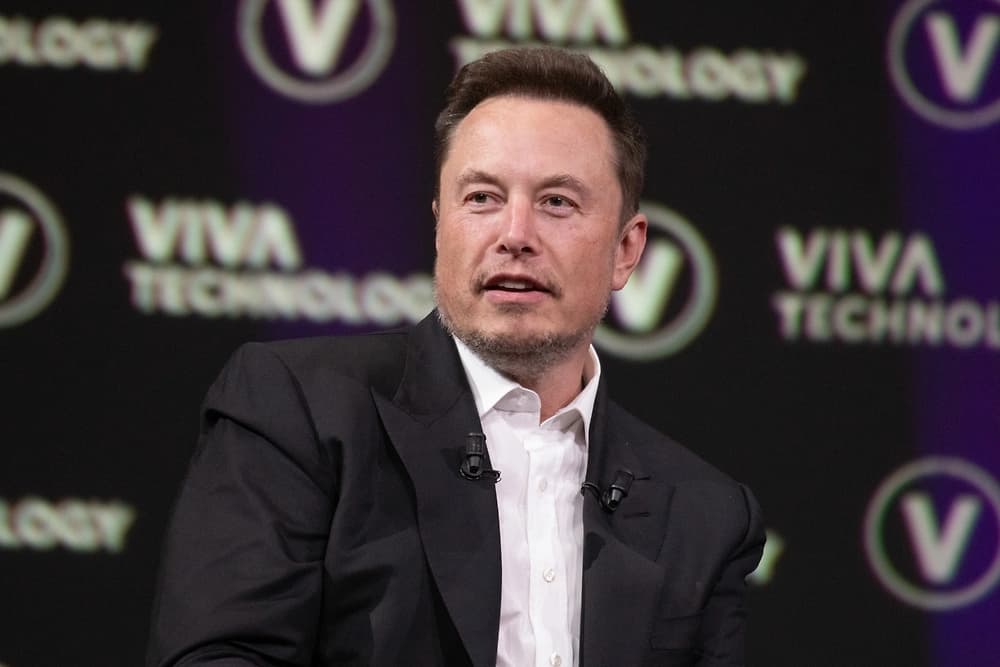
Elon Musk said on the social network X that Starlink can be used as military infrastructure but not for offensive strikes. He also stated that Ukraine had used civilian Starlink for strikes on Russia and had violated the terms of use, after which 'the loophole was closed.' Earlier, The Economist, citing sources, reported restrictions on the operation of the military Starshield package.
SpaceX head Elon Musk said that an attack on Starlink satellites could trigger a chain reaction creating a vast field of space debris. He insists on preserving the system's civilian status and opposes its use in offensive operations, while allowing its use for military infrastructure.
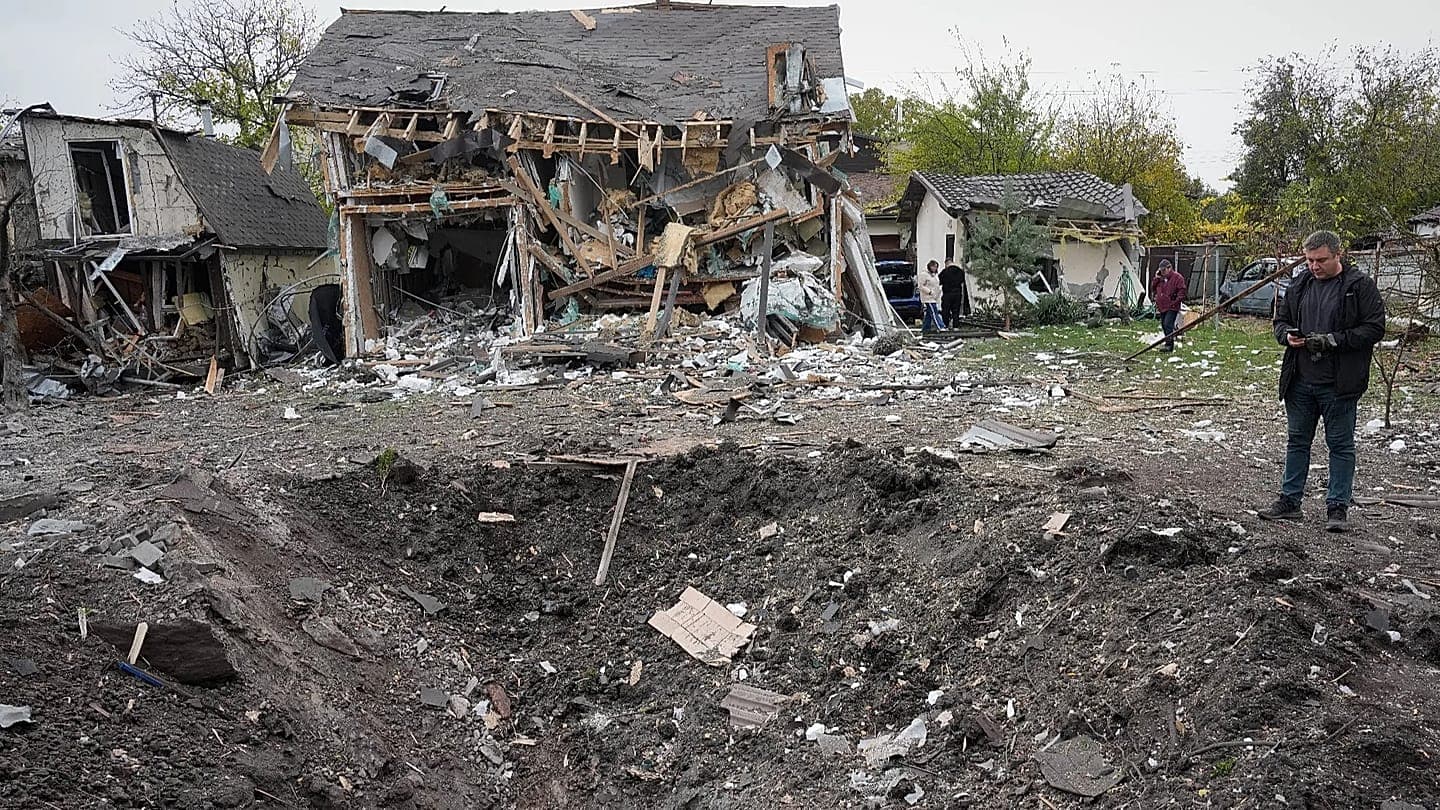
Kyiv announced on Saturday the restoration of stable Starlink/Starshield speeds following reports of SpaceX-imposed restrictions. Defence Minister Yevhen Khmara highlighted the critical importance of this development for the frontline, drone operations, and logistics. Simultaneously, reports emerged of casualties from Russian strikes in Donetsk Oblast, while Ukrainian forces conducted retaliatory strikes against targets in Russia, including the Tolyattikauchuk plant, Proton-Electrotex, and the Yeysk airbase.
Ukraine reported the restoration of a stable Starlink connection after a week of disruptions, while Elon Musk confirmed that SpaceX itself had restricted the service, accusing Kyiv of violating the terms of use. The problem coincided with a diplomatic conflict over strikes on Russian oil facilities.
Elon Musk said Ukrainian forces used civilian Starlink for drone strikes, and SpaceX restricted that capability. Kyiv denies the violations, while European operators, according to Reuters, cannot yet replace Starlink.
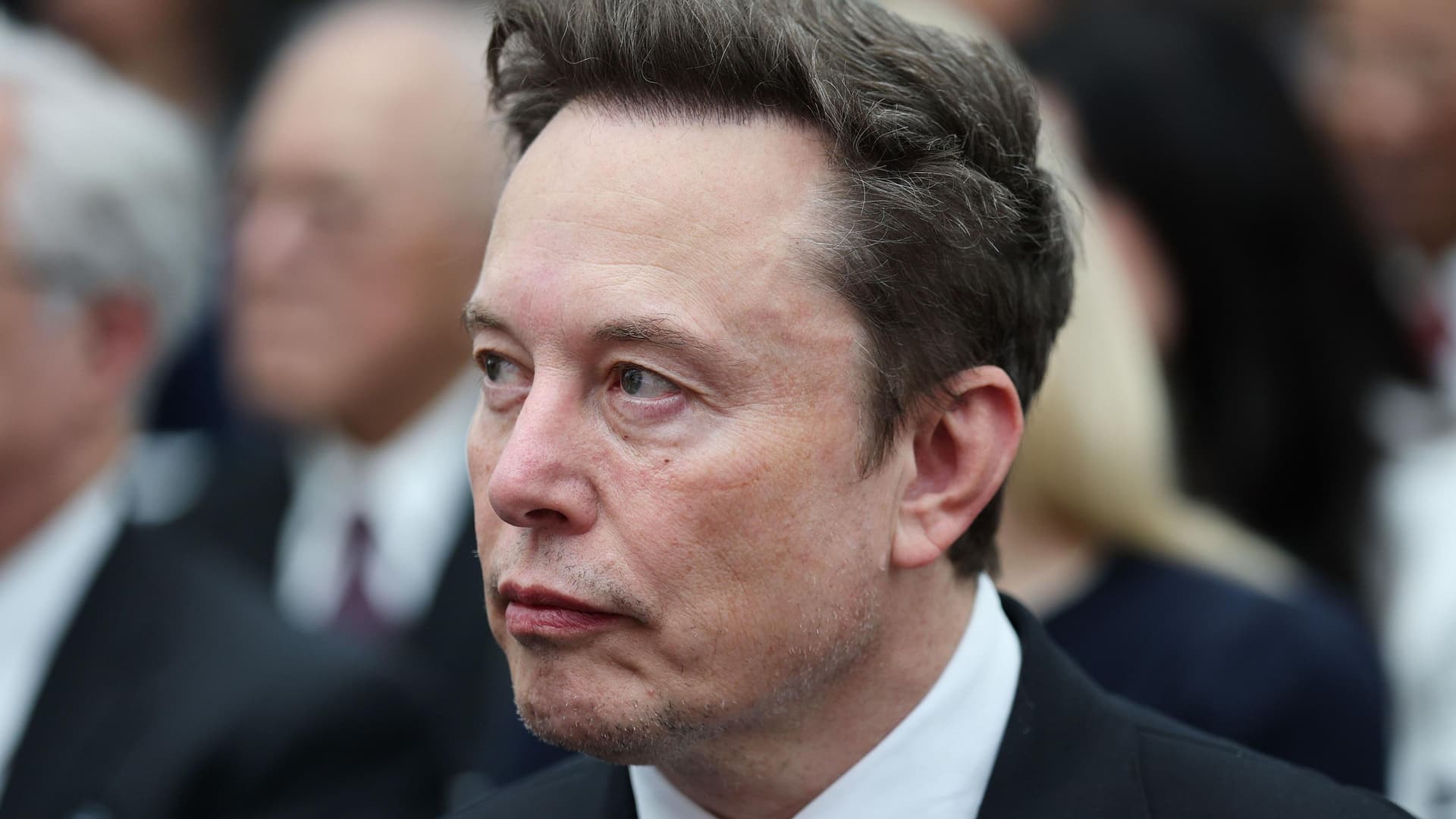
SpaceX CEO Elon Musk accused the Ukrainian army of violating the terms of Starlink use and stated that the civilian service must not be used for offensive drone strikes. He emphasized that Starlink is critically important for Ukraine’s defense and that without it the front would “collapse immediately.” US President Donald Trump said he had discussed the situation with Musk, while Ukraine’s Defense Ministry announced that the previous connection speeds had been restored.
SpaceX, according to Ukraine's defense minister, has restored normal operation of the military version of Starlink — Starshield — after roughly 10 days of restrictions during which drones lost connectivity at speeds of about 100 miles per hour. According to WSJ, Trump called Musk and asked him to restore the service. The military received no explanations for the restrictions.
Volodymyr Zelensky said on October 23 during an address at the Hudson Institute that Starlink speeds have not been restored, even though Donald Trump stated on October 22 that SpaceX had fully resumed the service’s operation in Ukraine. Zelensky’s adviser Serhiy Beskrestnov noted that isolated cases of exceeding the limit do not mean the restrictions have been lifted. Zelensky also reported delays in the delivery of interceptors for protection against Russian missiles.
The European Commission urged SpaceX to urgently restore Ukraine's full access to Starlink amid reports of service slowdowns. Earlier, WSJ reported that Musk personally ordered restrictions on Starshield operations in Ukraine; the entrepreneur himself blamed the US authorities. Zelensky said Secretary of State Rubio promised to fix the communications service.
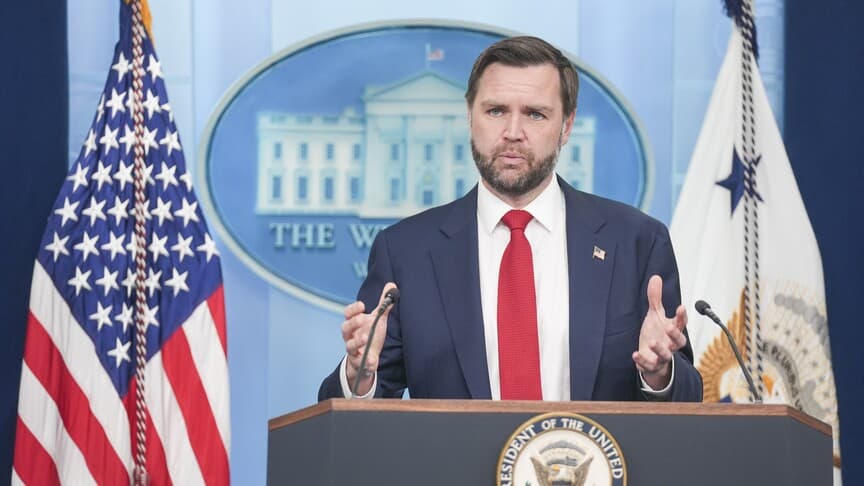
US Vice President JD Vance said the question of SpaceX's military satellite service Starshield should be viewed in the context of the Trump administration's policy on Ukraine and Russia, not as a problem tied personally to Elon Musk. He also criticized European regulation targeting SpaceX.
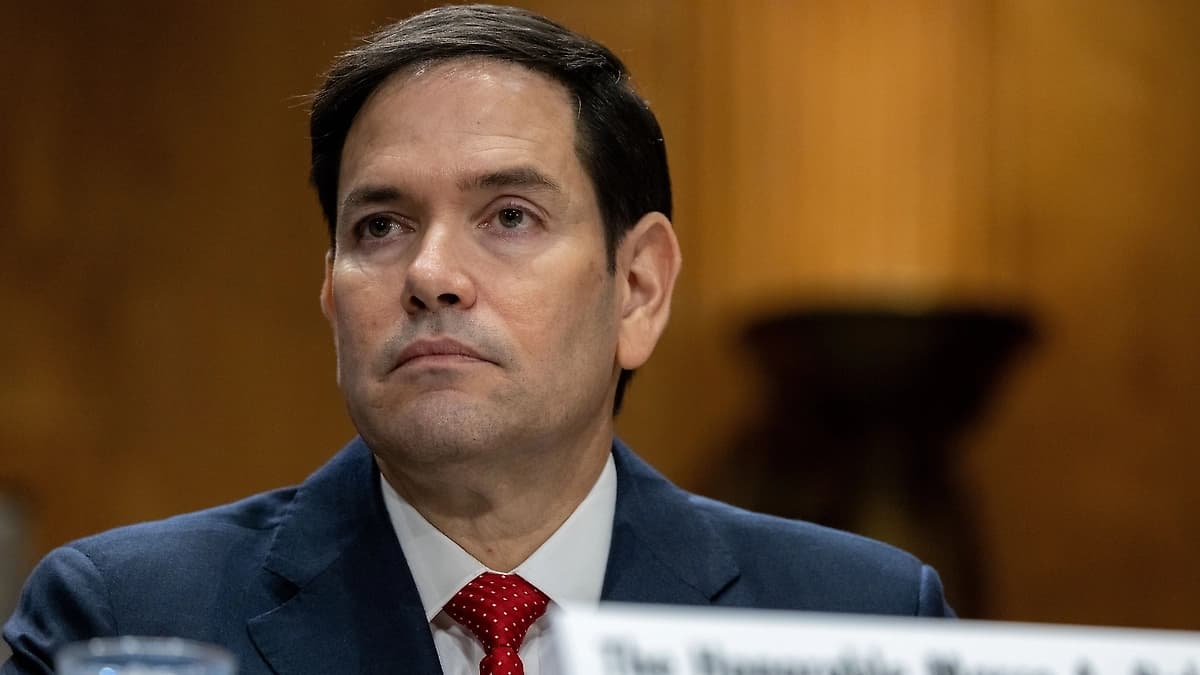
US Secretary of State Marco Rubio, during a visit to India, said that Ukraine would not have survived as a sovereign state without American multibillion-dollar support. He also denied the White House's involvement in restricting SpaceX satellite communications for the Ukrainian military, as reported by The Wall Street Journal.
The outlet Anadolu published an analysis of the possible consequences of a hypothetical Tesla–SpaceX merger. According to University of Birmingham professor David Bailey, combining battery technologies, robotics and space developments could advance Elon Musk's ambitions, yet many of the benefits could be achieved without a merger — through cooperation between the companies.
Elon Musk said both companies have formed committees of independent directors to study a possible merger, which would be the largest corporate deal in history. According to Bloomberg, the goal is to announce the deal in the first half of 2027 and complete it before the end of Trump's term in January 2029. Musk warned that the merger is not guaranteed.
US Permanent Representative to NATO Matt Whitaker said that disagreements over the use of Starlink in Ukraine are commercial in nature and relate to the terms of service of the private company SpaceX, not to the Trump administration's policy. He rejected suggestions that Washington restricted Kyiv's access to the system as a pressure measure.
Human Landing System program head Steve Creech presented a schedule of key tests through early 2028: on-orbit refueling, spacecraft docking, and an uncrewed Moon landing. Their results will determine which vehicle — SpaceX's or Blue Origin's — will deliver astronauts to the Moon in the Artemis IV mission.