The key facts
- Ukraine's Defence Minister Yevhen Khmara reported a 'stable connection' and speeds above 400 km/h after a week when the connection dropped at speeds above 161 km/h.
- Ukraine's Defence Minister Denys Ustinov...
- Musk said SpaceX had closed a 'loophole' used by the Ukrainian army for offensive drone strikes; an adviser to Zelensky called the statement 'quite strange'.
- The conflict coincided with disagreements between Trump and Zelensky over strikes on Russian oil refineries and the lifting of some sanctions against Russia.
Connection restored, Musk admits
Ukraine reported the restoration of a stable Starlink connection after several days of restrictions on the satellite network's operation. Ukraine's Defence Minister Yevhen Khmara said on Saturday that drones can now reach speeds of more than 400 km/h, whereas last week, according to Kyiv, the connection dropped when speeds exceeded 161 km/h. 'This result is important above all for our front line, for our soldiers, for drone operations, logistics and communications,' the BBC quotes him as saying. President Volodymyr Zelensky wrote on Telegram that 'speeds are now where they should be' (source-1, source-2).
Musk: 'the loophole is closed'
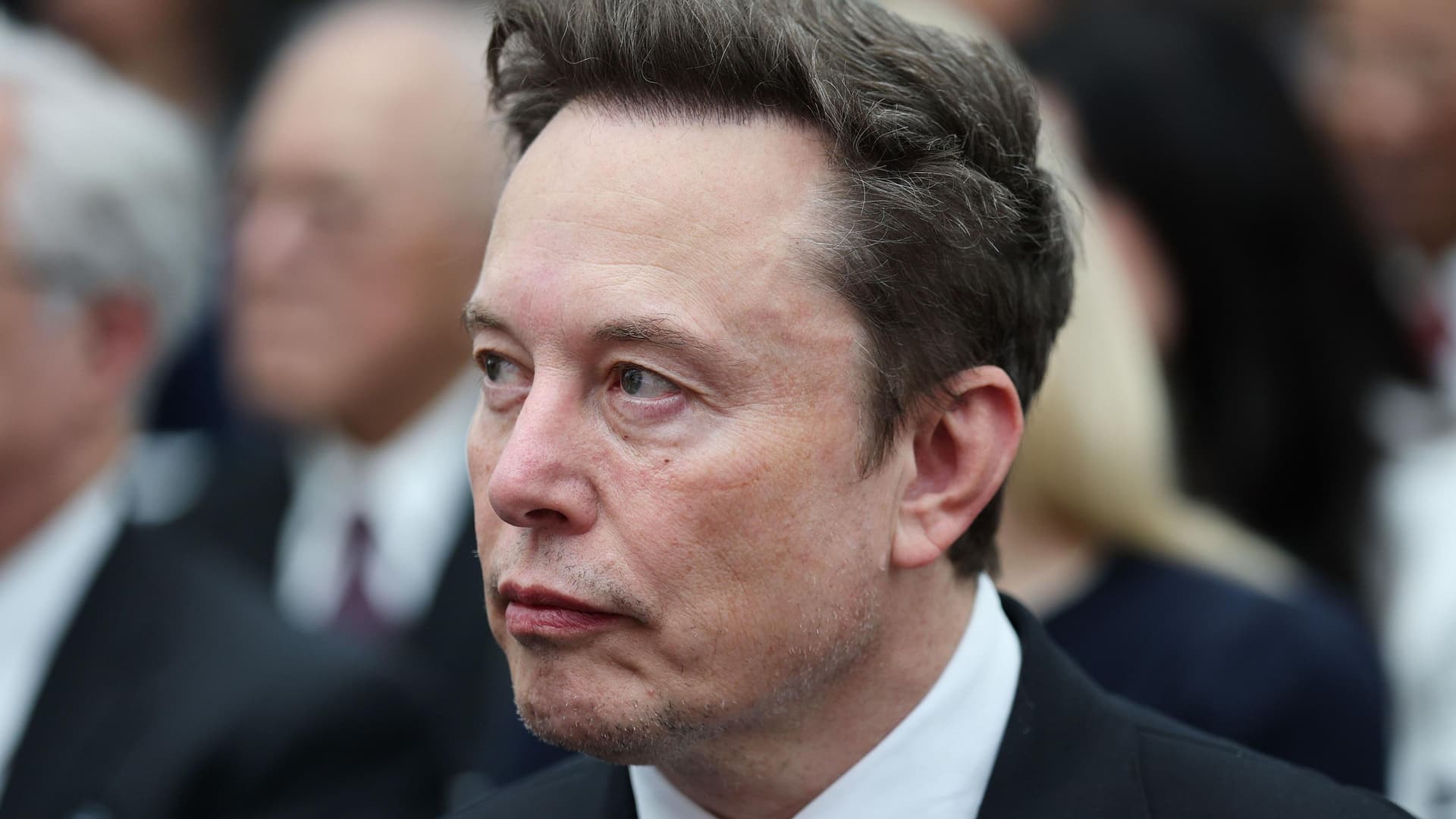
Shortly afterwards, Elon Musk confirmed that his company SpaceX had restricted Ukrainian Starlink. According to him, the Ukrainian army 'violated the terms of use' of the civilian service by using it for offensive drone strikes, and 'that loophole was closed last week'. At the same time, Musk denied any involvement in the simultaneous problems with Starshield — the military version of the service, which, he repeated, is controlled by the US government. Kyiv has not officially commented on this statement, but an adviser to the Ukrainian president, Serhiy Beskrestnov, called Musk's post 'quite strange', noting that Ukraine 'physically cannot' use commercial Starlink for medium- and long-range drone strikes (source-2).
The conflict against the backdrop of a dispute over strikes on oil refineries
The connection problems first appeared last week amid growing disagreements between Washington and Kyiv over Ukrainian strikes on Russian oil infrastructure. Trump claimed that these strikes drive up global fuel prices; however, according to the BBC, the price increase this year was caused primarily by the war with Iran. Ahead of the midterm elections next month, Trump lifted some sanctions against Russia and approved the supply of Russian diesel to the US market — a step criticised by Ukraine and European allies. Zelensky also stated that the US threatened to cut off intelligence sharing if the strikes did not stop; Trump denied this (source-1, source-2).
The network's role at the front and the fighting
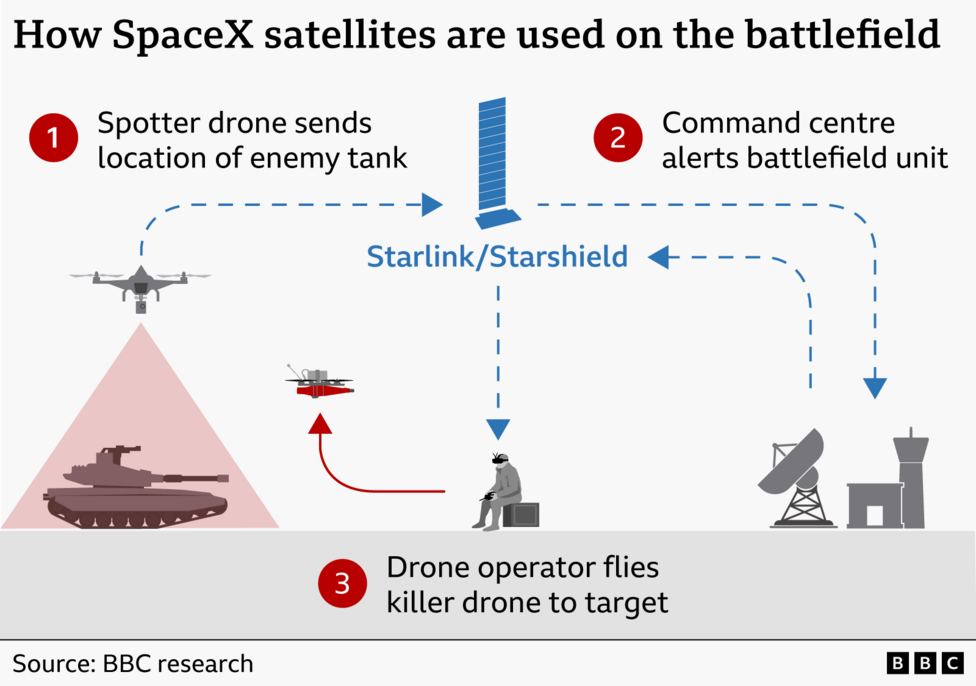
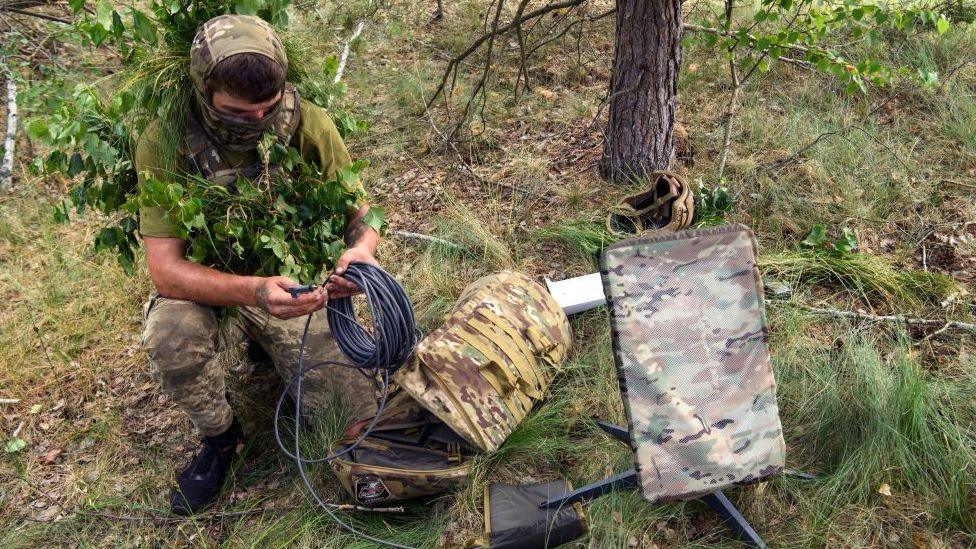
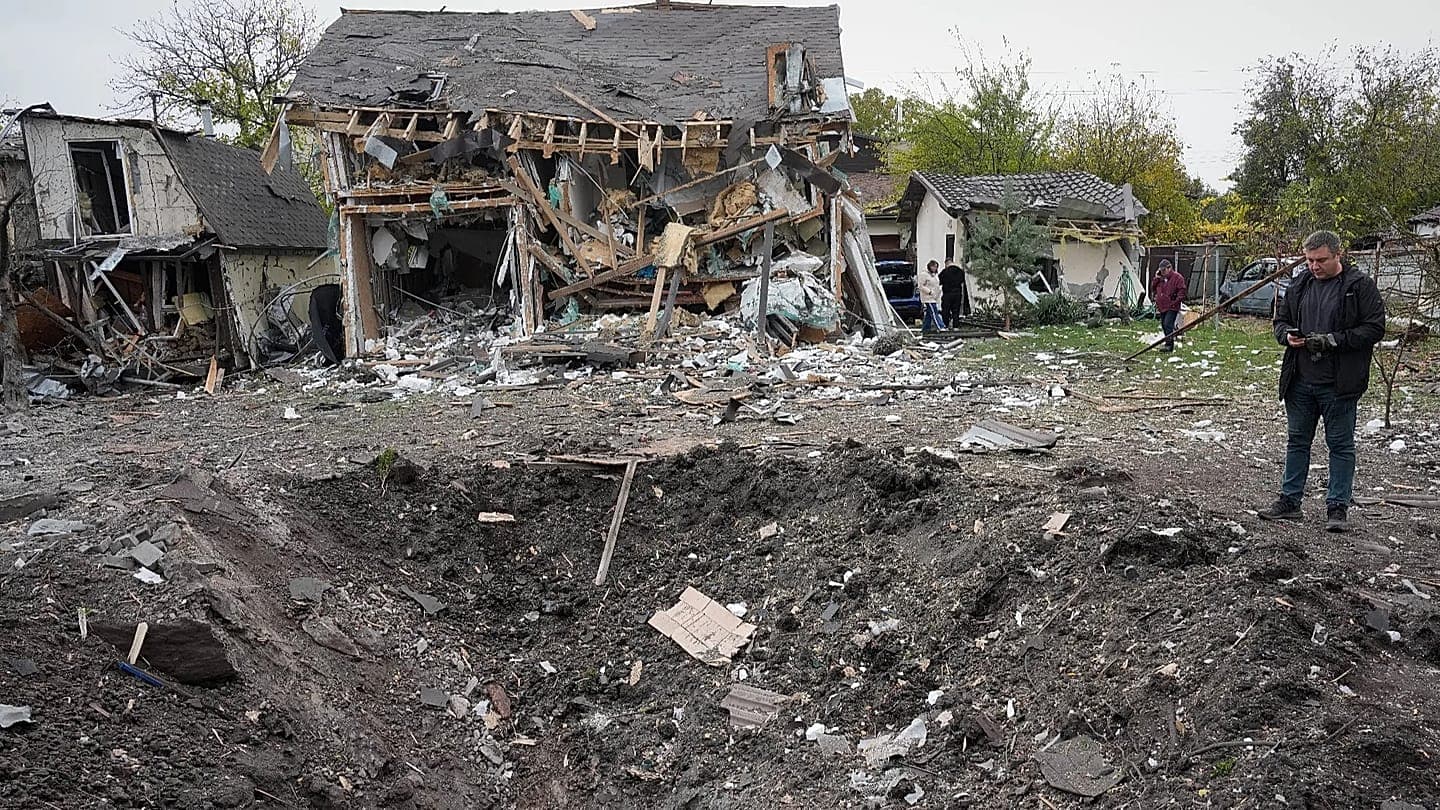
The Ukrainian army widely uses the network of 10,000 low-orbit satellites to coordinate units, especially in remote areas of the front, while Starshield allows drone operators to see targets in real time and control interceptor drones. Russia is not permitted to use Starlink, so the network does not work during Ukrainian long-range missile and drone launches against targets deep inside Russia. Meanwhile, the fighting continues: the Russian defence ministry reported downing 616 Ukrainian airplane-type drones, including strikes on annexed Crimea, where, according to the Moscow-appointed governor Sergei Aksyonov, power and water restrictions have been introduced due to electricity outages. Ukrainian authorities, in turn, announced the destruction of a missile components manufacturer, a chemical plant and an aircraft at a military airfield in Russia, and also reported 88 Russian airstrikes involving 309 glide bombs and 10,270 kamikaze drones on Friday (source-1, source-2).
Why this matters
The incident showed how critical Ukraine's dependence on a single private satellite communications provider is to its combat capability: the operation of strike and interceptor drones depends directly on connection speed. For Kyiv, what matters practically is the restoration of the network's full functionality, while for European partners the question is finding an alternative to Starlink, which the BBC examines in a separate article. The main thing remains uncertain: Musk did not explain why SpaceX changed the terms precisely last week, and Ukraine denies using the commercial service for long-range strikes, so the reasons for and scale of the restrictions have so far been confirmed from only one side (source-2).
 Image source, Getty Images