The key facts
- The bath complex in Stratonicea was built in the late 1st — early 2nd century CE.
- The restoration is dated to 365–499, most likely around 375 — after the 365 CE earthquake off Crete.
- The final collapse is dated to the period between 613 and 850, with the highest probability around 633.
Three stages in the life of the baths
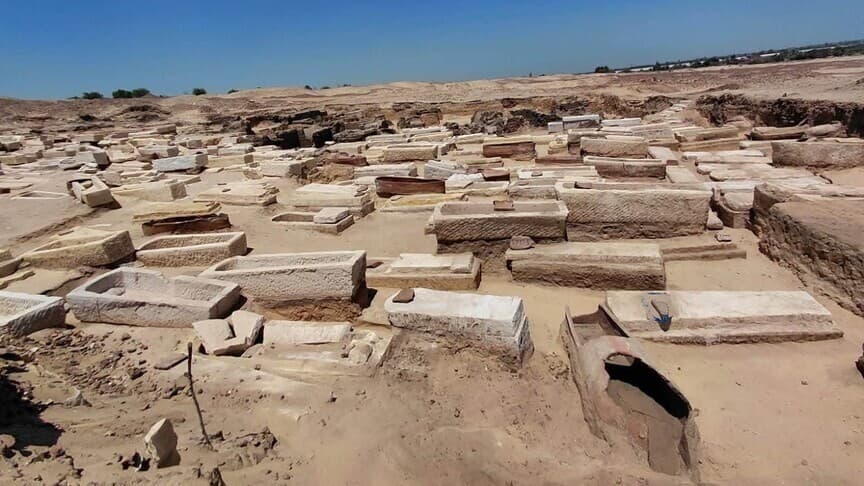
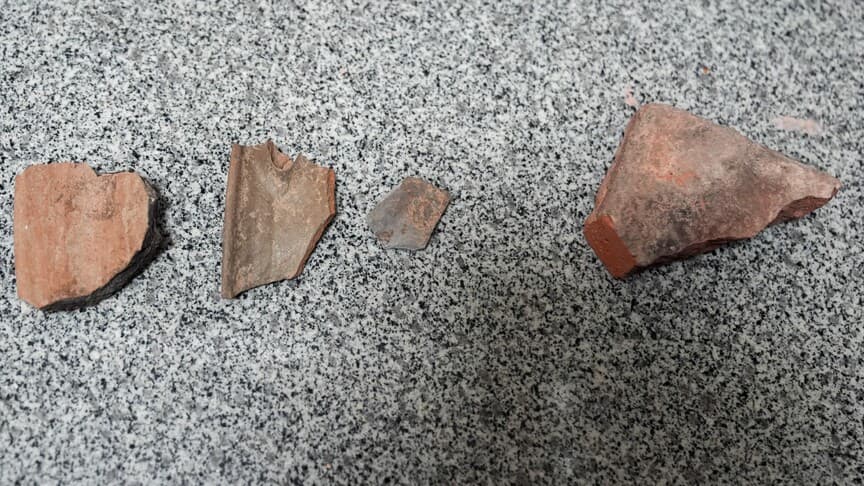
A team of researchers from Ankara and Pamukkale universities has reconstructed the chronology of an ancient Roman bath complex in the ancient city of Stratonicea (Mugla province in southwestern Turkey). The work was published in the journal Archaeological and Anthropological Sciences. The scientists analyzed bricks, mortar, and deposits from the cold room (frigidarium) and the adjoining exercise courtyard to determine when the structure was built, repaired, and when it collapsed. Combining a dating method based on energy accumulated in minerals with archaeological data and historical records of earthquakes made it possible to identify three main stages.
Earthquakes as part of the city's history
The original construction is dated to the late 1st — early 2nd century CE, a period of large-scale urban development in Stratonicea under Roman rule. A major restoration phase belongs to 365–499 CE, most likely around 375; according to the researchers, this is consistent with rebuilding after the powerful earthquake off Crete in 365, which devastated the eastern Mediterranean. Coins from 613 found beneath a layer of debris helped assign the final collapse to the period between 613 and 850, most likely around 633. The scientists suggested that a major earthquake in the early 7th century may have deprived the complex of its monumental function, although the exact date could not be established.
What this means for science
Eren Sahiner, a professor at the Earth Sciences Application and Research Center of Ankara University, noted that the study shows how ancient communities responded to natural disasters and rebuilt their settlements. 'We can see the destructive impact of earthquakes and how they affect the population and urbanization of the region,' he said in a comment to the Anadolu agency. According to him, the results may help scientists better understand the long-term consequences of earthquakes for cities and their inhabitants. The value of the work lies in the fact that it links the physical traces of damage and repair in the structures themselves with documented historical seismic events, allowing them to be dated independently of written sources.