The key facts
- At COP31, Palestine is seeking recognition of the particular vulnerability of countries under occupation and easier access to the GEF and GCF funds
- According to a joint FAO and UNOSAT assessment, as of August 2026 only 3% of Gaza's agricultural land remained accessible and undamaged
- Recovery needs for Gaza's agriculture and food system are estimated at about $10.5 billion
Palestine's demands at the climate summit
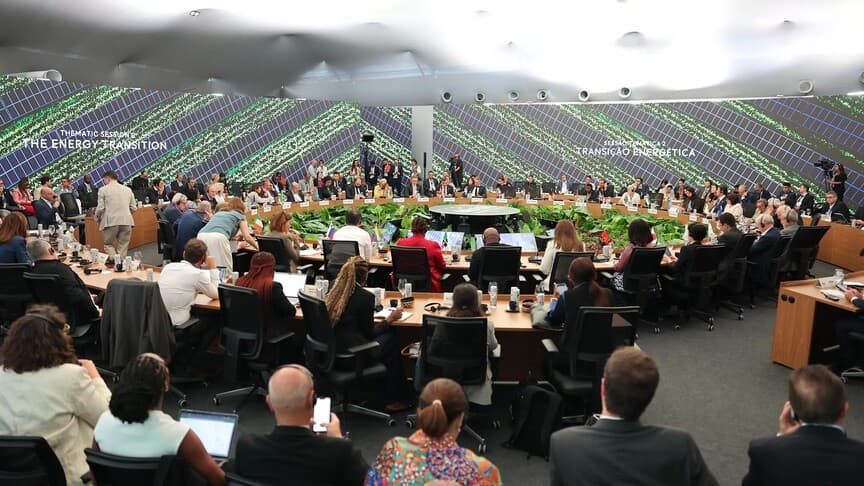
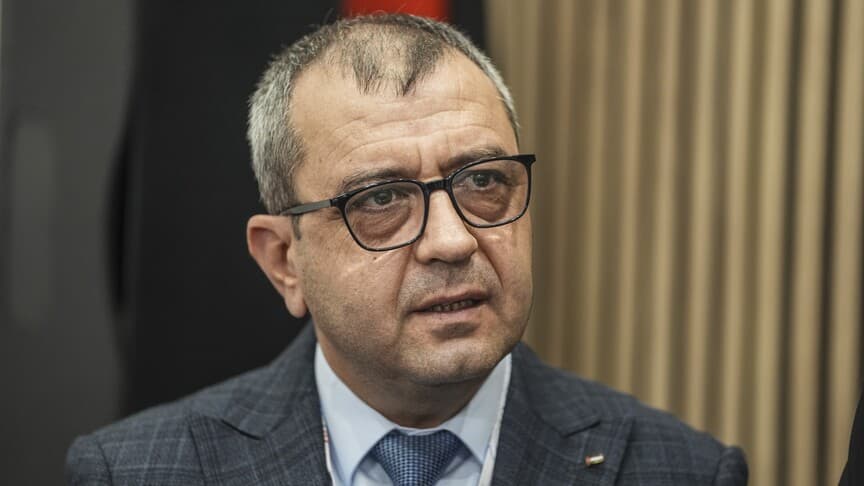
Zghoul Samhan, head of the Palestinian Environment Quality Authority, speaking during the second week of the COP31 summit in Antalya, Turkey, said that the final documents of the negotiations must explicitly recognize the heightened vulnerability of countries under occupation and make it easier for them to access international climate finance. According to him, Palestine is seeking an outcome that would simultaneously open up international funding and preserve Palestinian control over land and natural resources.
Barriers to accessing the funds
Samhan pointed to institutional and procedural obstacles blocking Palestine's access to the Global Environment Facility (GEF) and the Green Climate Fund (GCF) — the main financial mechanisms of the UN climate framework. Political restrictions prevented Palestine from receiving large GEF project funds, while financing through the GCF remained limited due to lengthy accreditation and project approval. 'We would like Palestine to one day gain access to GEF funds,' he said, adding that the procedures for accessing the GCF and other environmental funds need to be simplified. Opening these funds, he said, would make it possible to implement adaptation and mitigation projects envisaged in Palestine's nationally determined contributions.
The environmental situation in Gaza
In addition to climate finance, Samhan stressed the need for resources to restore Gaza's destroyed environmental infrastructure. According to a joint satellite assessment by the UN Food and Agriculture Organization (FAO) and UNOSAT, as of August 2026 only 3% of the enclave's agricultural land remained accessible and undamaged; a report by the World Bank, the UN and the EU estimates the recovery needs for agriculture and the food system at about $10.5 billion. Samhan noted that agriculture had previously been an important source of food for Gaza's population, and that its restoration is inseparable from overall environmental reconstruction.
Destroyed infrastructure and sea pollution
According to Samhan, the destruction requires large-scale reconstruction in almost all environmental sectors: sewer networks and treatment plants, renewable energy facilities, solid waste systems, as well as medical and hazardous waste facilities are named as priorities. Water infrastructure has also suffered serious damage — groundwater wells, desalination plants, distribution networks and reservoirs. He also drew attention to the state of Wadi Gaza, the enclave's only nature reserve, calling it 'one of the most polluted areas of Gaza' and calling for its immediate clean-up and rehabilitation. Damaged sewage and waste systems, he noted, have led to untreated wastewater and debris flowing directly into the Mediterranean Sea, heavily polluting coastal and marine ecosystems; restoring basic services will require enormous funding.
Assessment of Turkey's presidency
Despite the obstacles, Samhan expressed optimism about the summit's progress, pointing to support from Turkey and its COP31 presidency. He praised the holding of the summit in Turkey, calling it 'one of the best COPs I have attended,' and added that it would be difficult for other countries to do what Turkey has managed to achieve.