The key facts
- Bill Hare, head of Climate Analytics, said the COP31 finance agenda is 'completely blocked'
- He urged developed countries to urgently increase adaptation finance for vulnerable countries
- Hare said three countries have blocked the IPCC budget, while India opposes including the mitigation report in the second global stocktake
Finance agenda at a deadlock
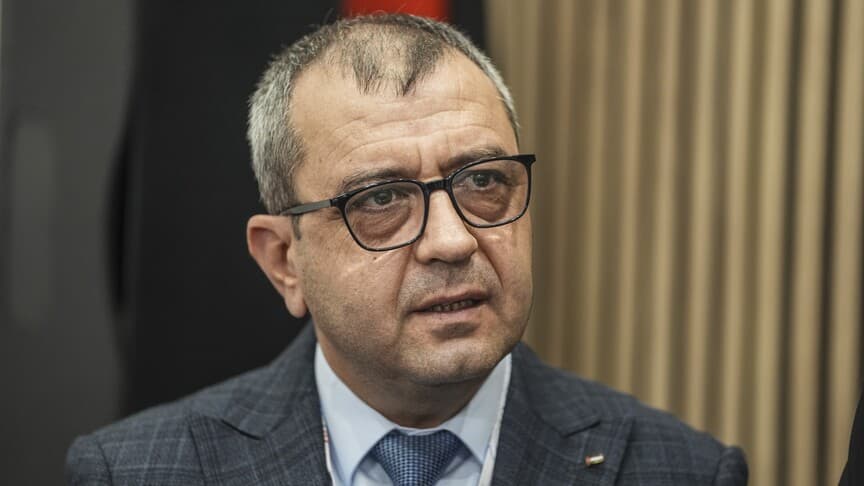
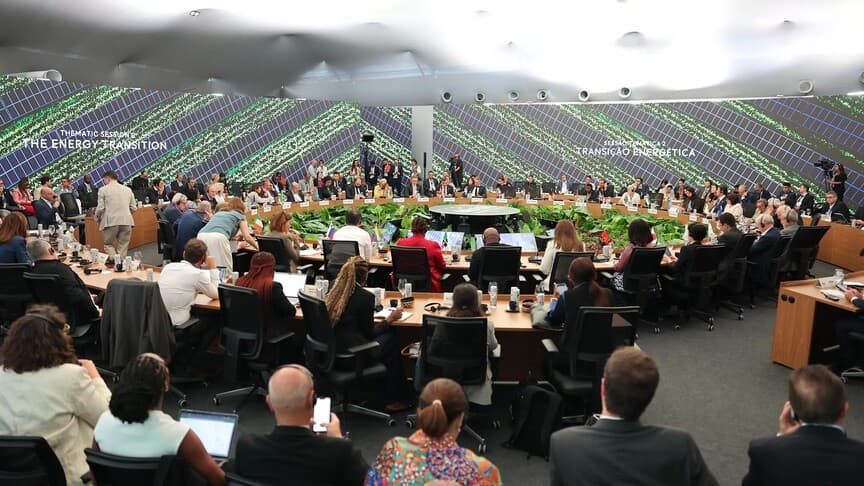
The COP31 climate summit in Antalya has run into a serious logjam in negotiations on climate finance. Bill Hare, a climatologist and head of the organization Climate Analytics, as well as one of the lead authors of IPCC reports, said at the 'Climate Analytics: Limiting Overshoot, Defending 1.5°C' press conference on the sidelines of the summit that the finance agenda is 'completely blocked'. According to him, one of the main problems of this conference is the absence, in essence, of any major finance plan, and without positive signals on this topic, reaching consensus on other issues will also prove difficult.
Call to developed countries and assessment of the first draft decision
Answering a question about the first draft of the key COP31 decision, Hare stressed the urgency of tripling adaptation finance, especially for vulnerable countries, and called on developed states to do more: 'Countries urgently need these funds, so developed countries need to do better on this.'
What comes next in the decision text
Hare noted that some provisions of the first draft go further than the outcomes of COP30 in Brazil — in particular, the call for a rapid and immediate transition away from fossil fuels. He called such wording positive but warned that keeping it in the final text will not be easy: 'I think it's positive, and it will be hard to see how this stays, but that's how it should be.'
Rising costs and declining effectiveness of adaptation
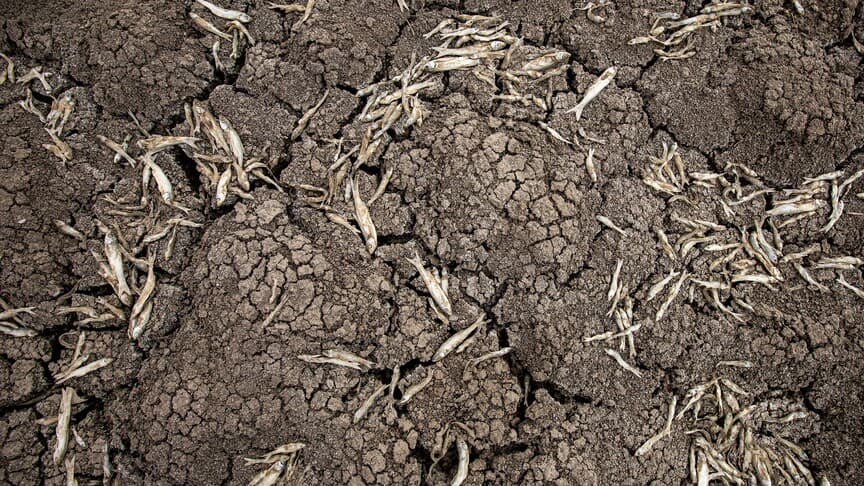
Hare also drew attention to the rising costs and declining effectiveness of measures to adapt to climate change. According to him, every additional tenth of a degree of warming makes adaptation more expensive and less effective, while simultaneously increasing risks for vulnerable communities. 'Loss and damage are growing on a global scale. We know they increase more or less exponentially with every tenth of a degree of warming,' he added.
Political obstacles around the IPCC
Another of Hare's warnings concerned the IPCC's (Intergovernmental Panel on Climate Change) contribution to the second global stocktake. He said three countries have blocked the panel's budget, and a small number of states are preventing the full alignment of its working groups with the second global stocktake. Hare called on COP participants to overcome the political obstacles in the way.
India's position
Hare singled out India's opposition to including the IPCC Working Group III report on climate change mitigation in the second global stocktake, calling this position 'quite short-sighted'. In his view, India itself would benefit from aligning the reports, given the rapid expansion of renewable energy and electrification in the country: the science, he expects, will show that India has a 'massive opportunity', and the whole country would benefit from the full alignment of the working groups' reports. He expressed hope that the government of India would take a 'broader vision' on this issue.