The key facts
- 75 countries, including Germany, the UK, Japan and South Korea, have backed the 35x35 goal
- The European Commission confirmed EU support; Australia — the negotiations chair — was among the first signatories
- The goal was included in the first draft text after the first week of negotiations
The 35x35 goal gains support
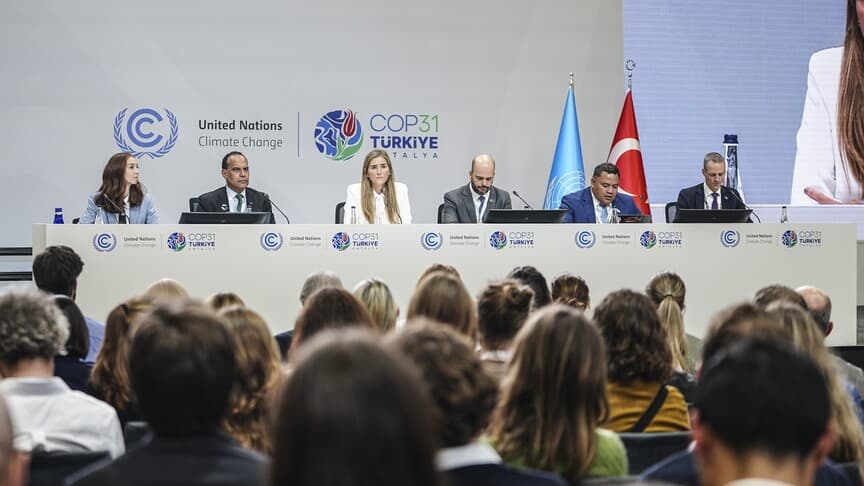
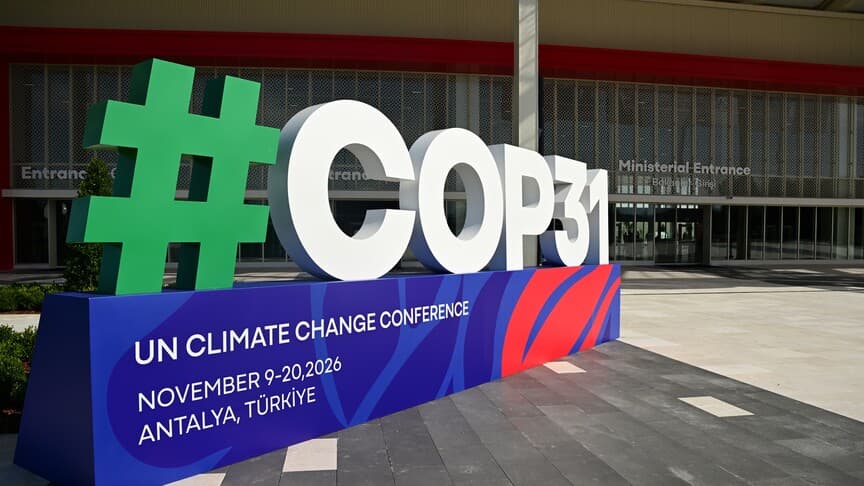
At the COP31 climate conference taking place in Antalya, Türkiye, 75 countries have declared their support for the 35x35 goal put forward by Türkiye during its presidency: to increase the share of electricity in global final energy consumption from the current roughly 22% to 35% by 2035. According to data obtained by the Anadolu agency from the COP31 presidency, this figure was recorded as of 9:30 a.m. (06:30 GMT). Among those backing it are Germany, the United Kingdom, Norway, South Korea, Spain, Japan, Denmark, Canada and Kyrgyzstan. The European Commission confirmed support from the EU.
Who supports the initiative and why
Australia, which holds the post of negotiations chair at COP31, earlier announced that it had become one of the first signatories of the electrification pledge. In addition to states, the initiative has been backed by 94 organizations from the business community and civil society. The 35x35 goal was included in the first draft of the outcome text released after the first week of negotiations, in which representatives of more than 160 countries are taking part.
Link to the Paris Agreement goals
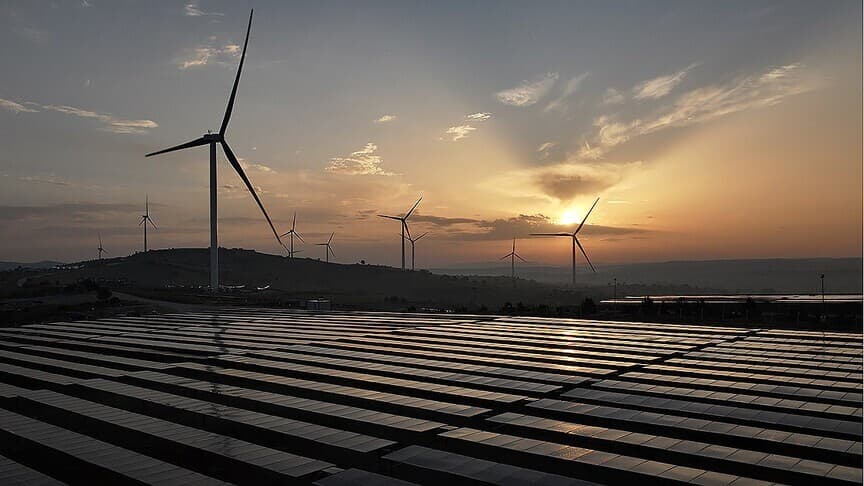
COP31 is focused on implementing the commitments agreed under the Paris Agreement. The electrification initiative is intended to accelerate the transition to clean energy and complement the decisions of COP28 in Dubai — to triple global renewable energy capacity and double the rate of improvement in energy efficiency by 2030. It is also linked to the task of holding the rise in temperature as close as possible to 1.5°C above pre-industrial levels; according to the latest scientific climate reports, the risk of exceeding this threshold is now very high, although rapid emissions cuts could help reverse such an exceedance.