The key facts
- The European Commission proposed a €45 billion loan: €25 billion for weapons and air defence, €20 billion for budget support
- Ukraine's budget deficit for 2027 is estimated at €70 billion; the remaining third is to be covered by the UK, Norway, Canada and Japan
- Slovakia, Hungary, the Czech Republic and Bulgaria declared they would not take part; von der Leyen expressed confidence in the support of all 27 countries
New loan against a growing budget gap
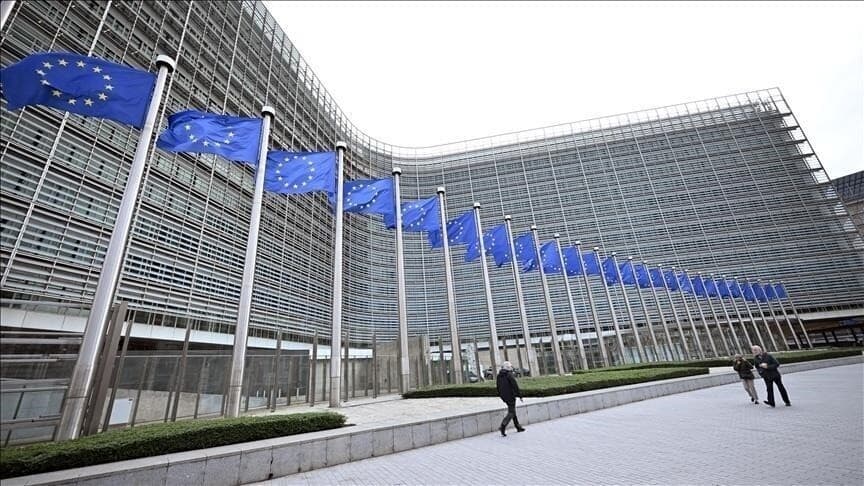
On 18 November, the European Commission presented a proposal for an additional loan for Ukraine of up to €45 billion (about $49 billion) for 2027. Commission President Ursula von der Leyen announced it in Brussels, accompanied by Economy Commissioner Valdis Dombrovskis and Defence Commissioner Andrius Kubilius. Of this amount, €25 billion is earmarked for military assistance — drones, missiles, counter-drone systems and air defence interceptors — while €20 billion is for general budget support.
Why a new package was needed
The proposal complements the existing €90 billion loan agreed by EU leaders last December for 2026–2027. That package was designed on the assumption that Russia's war would end in 2026, but this did not happen: Moscow is escalating strikes that cause power outages and disrupt business activity and trade, reducing Kyiv's ability to collect revenue. According to the Commission's estimate, Ukraine's budget deficit for 2027 will amount to €70 billion; the new loan covers two-thirds of that sum, with the remaining third expected to be raised from partners — the United Kingdom, Norway, Canada and Japan. According to an internal Commission document reported by euronews, the deficit could shrink to €13 billion if all NATO allies fulfilled the commitments of the July summit.
Loan terms and frozen assets
The funds are to be raised on capital markets through joint debt backed by the EU budget. Interest payments will fall on member states, and borrowing costs have risen this year due to high energy prices, geopolitical instability and the race to invest in AI. Repayment of the principal, as in previous programmes, is tied to Ukraine receiving reparations from Russia: if Moscow refuses to pay, the Commission reserves the right to use frozen Russian sovereign assets on EU territory, estimated at €210 billion. Von der Leyen stated that the possibility of using these funds for repayment is explicitly provided for in the proposal. The Commission also proposed directing future income from the frozen assets towards repaying the new loans after the return of the previous loans under the G7 auspices, and to allow up to €5 billion in additional lending guaranteed by highly rated countries outside the bloc.
Resistance within the EU and next steps
Approval requires the support of all 27 member states, but Slovakia, Hungary, the Czech Republic and Bulgaria have declared they will not take part in further financing. Slovak Prime Minister Robert Fico, citing the resumption of peace talks, refused 'military loans', while German Chancellor Friedrich Merz threatened to block the next EU budget if aid to Ukraine is not agreed by all 27 countries; Fico called this 'blackmail'. Von der Leyen said she was 'very confident' in the support of all members without exception, and emphasised the division of the loan into a civilian and a military part to allay the concerns of opponents of arms deliveries. The legislative proposals have been sent to the European Parliament and the Council of the EU; the first debate among leaders is scheduled for next week in Brussels, where the union's new budget will also be discussed.