The key facts
- The EU proposed a €45 billion loan to Ukraine for 2027: €25 billion for military needs and €20 billion for the budget; repayment only after Russia pays reparations
- Approval requires unanimity; Hungary, Slovakia, the Czech Republic and Bulgaria may resist
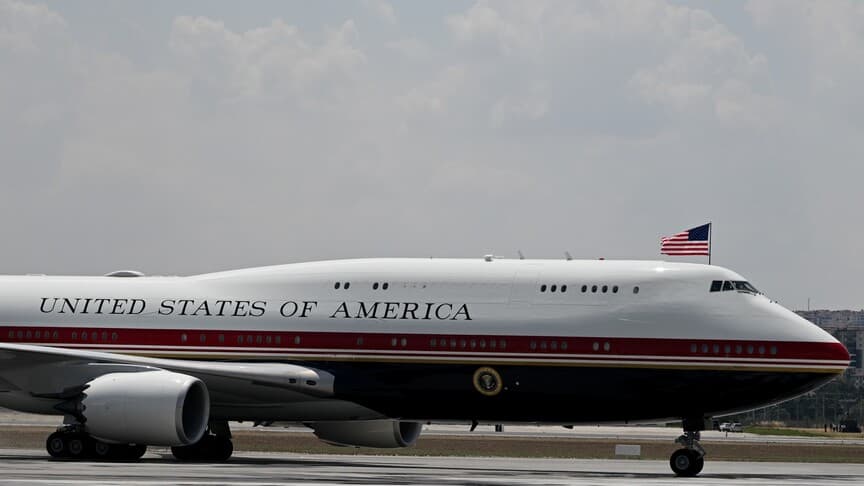
- Trump arrived in Shenzhen for APEC, where a three-way meeting with Xi Jinping and Putin is planned
A €45 billion loan with repayment deferred until reparations
European Commission President Ursula von der Leyen proposed a new €45 billion loan to Ukraine for 2027, secured by joint EU borrowing against the bloc's budget. The funds are split into €25 billion for military needs and €20 billion for budget support and are meant to cover roughly two-thirds of Kyiv's expected €70 billion funding gap next year. According to von der Leyen, Ukraine would have to repay the funds only after Russia pays war reparations; she called such a mechanism a way to give Kyiv a 'strong hand at the negotiating table.'
The main obstacle — unanimity
The proposal requires unanimous support from all 27 member states before next week's EU summit. According to available information, resistance from Hungary, Slovakia, the Czech Republic and Bulgaria could block approval. Thus, the announced plan remains, for now, exactly that — a proposal rather than an adopted decision: its fate will be decided at the upcoming summit.
A three-way meeting in Shenzhen
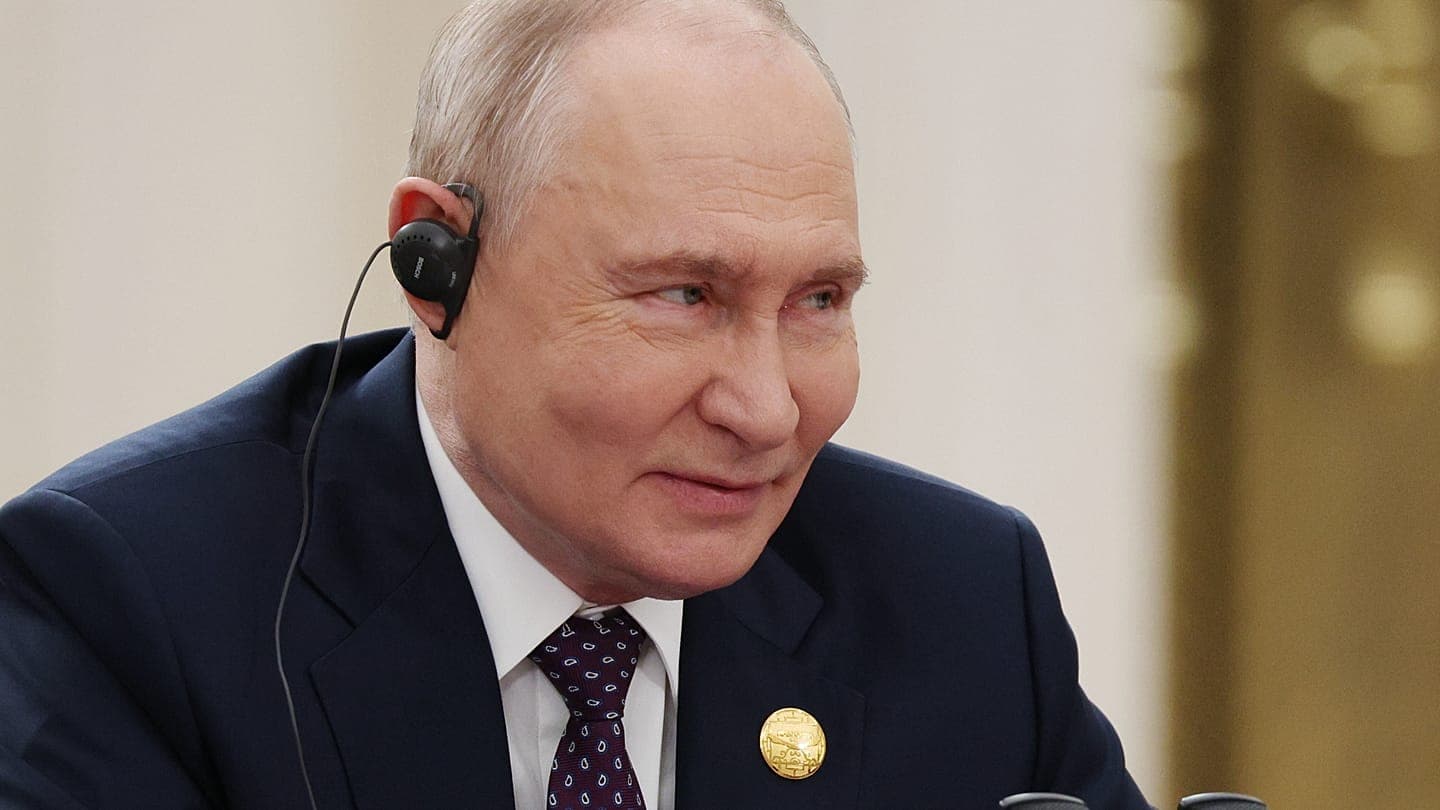
US President Donald Trump arrived in Shenzhen for the APEC summit, where he is to take part in an unprecedented three-way meeting with Chinese President Xi Jinping and Russian President Vladimir Putin. Discussions are expected on global security, including regional conflicts — Ukraine and Iran — as well as trade and 'guardrails' in the spheres of nuclear technology and AI. The summit gives Putin a major diplomatic platform alongside the two leading economic and military powers, while Beijing is using the APEC venue to showcase stability and economic cooperation. Speaking at the CEO summit on the sidelines of the meeting, Putin said that 'sanctions, tariffs and export restrictions' have 'outlived their usefulness and largely lost their deterrent effect.'
Other topics of the day: an AI letter and energy
In parallel, 59 tech industry representatives, in an open letter titled 'An urgent call: Europe cannot sleep through the AI revolution,' warned that Europe is competing with the US and China with only a small fraction of their capital, computing power and scale. They put forward five urgent demands to European policymakers, stressing the importance of negotiations on the EU's long-term budget for 2028–2034, and called for moving 'from defense to offense' by backing European champions. International Energy Agency head Fatih Birol, in an interview, called for raising the share of electricity in final energy consumption to 35% by 2035. His warning came against the backdrop of a European Commission assessment: disruptions related to the Strait of Hormuz have added €127 billion to the EU's energy import bill since the start of the American-Israeli war against Iran, while industrial production in the bloc continues to decline.