The key facts
- Kaja Ollongren spoke in Brussels on behalf of EU foreign policy chief Kaja Kallas
- The EU insists on guarantees that will prevent Russia from rearming and attacking again
- Support for the ICC and the special tribunal on the crime of aggression against Ukraine was confirmed
Brussels demands guarantees, not declarations
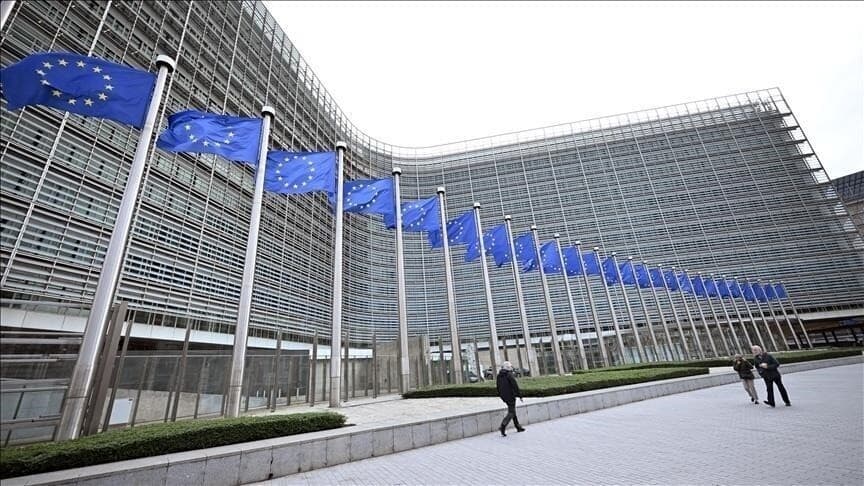
Any agreement to end the war between Russia and Ukraine must be accompanied by an 'insurance policy' — real security guarantees that will prevent Moscow from rearming and attacking again. This was stated by Kaja Ollongren, Secretary-General of the European External Action Service (EEAS), speaking on Wednesday at the third Schuman Forum on Security and Defence in Brussels with a speech on behalf of the EU High Representative for Foreign Affairs Kaja Kallas, Anadolu reports.
Lessons of Budapest and Minsk
'Russia's historical experience reminds us all that political declarations alone cannot be trusted. An agreement must be accompanied by a guarantee,' Ollongren stressed. She welcomed the resumed diplomatic efforts to end the war, but noted that no one can say how or when Kyiv and Moscow will conclude peace. As arguments, the official cited past international agreements: the 1994 Budapest Memorandum, under which Ukraine gave up its nuclear arsenal in exchange for assurances of sovereignty and territorial integrity, and the Minsk agreements — according to her, Russia continued shelling Ukraine just hours after their signing, and later occupied thousands of square kilometres beyond the ceasefire lines.
Accountability and the tribunal
Ollongren also confirmed the EU's firm support for the International Criminal Court and the creation of a special tribunal to prosecute the crime of aggression against Ukraine. She called for ensuring accountability for violations of international law, warning that states violating the principles of the UN Charter must face consequences. The practical meaning of Brussels' position, based on these statements, is that the EU's support for any peace scenario will be tied not to the mere fact of a ceasefire, but to the existence of mechanisms that rule out a repeat of the 1994 and 2014–2022 scenarios.