The key facts
- On 18 November the EEAS urged Russia to stop using chemical weapons and return to compliance with the Convention
- The basis is a report by Ukraine's investigative bureau dated 17 November on the systematic use of special agents at the front
- The EU declared its readiness to impose additional sanctions and called on the OPCW to establish responsibility
Brussels' statement
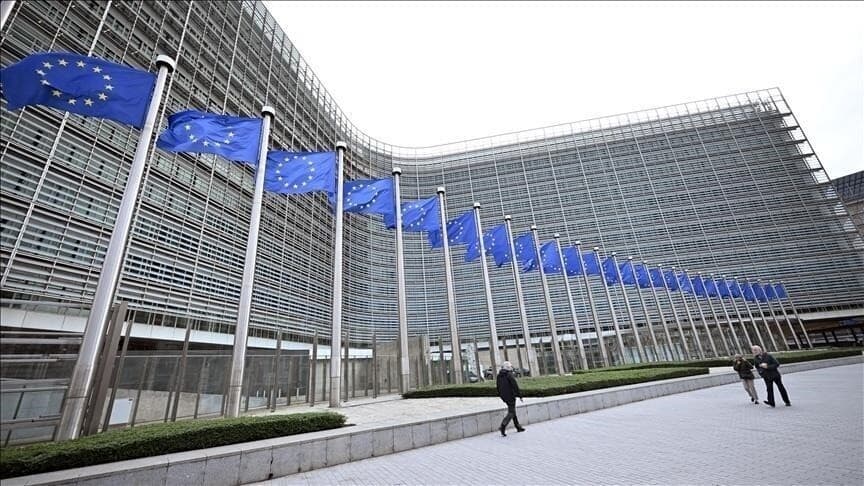
On 18 November the European Union called on Russia to immediately cease any use of chemical weapons in Ukraine and return to full compliance with the Chemical Weapons Convention. The statement was issued by the European External Action Service (EEAS) in Brussels. It stresses that the use of chemical weapons — by whomever it is carried out, a state or a non-state actor, wherever and under whatever circumstances — is absolutely unacceptable and constitutes a violation of international law.
What the conclusions are based on
The basis for the statement was a report by Ukraine's National Bureau of Investigation, published on 17 November. It documented the large-scale and systematic use of riot control agents as chemical weapons along the front line, and named the Russian armed forces as responsible. According to the EEAS, the report's conclusions are unambiguous, and the methodology of the Ukrainian investigation was confirmed by the Organisation for the Prohibition of Chemical Weapons (OPCW). The EU called on the OPCW to establish responsibility for the violations without delay.
Sanctions and warning
The EU said it had recently extended sanctions against those involved in the use and proliferation of chemical weapons and is ready to impose additional measures against those responsible. 'Any case of such use must be thoroughly investigated, and those responsible brought to justice,' the EEAS statement said. Brussels also warned: if real accountability is not ensured, there is a risk of undermining trust in the Chemical Weapons Convention and the global ban on its use.
Context
This is not the first such statement: in July 2025, in Berlin, it was already said that Russia was using chemical weapons, including tear gas and chloropicrin, increasingly actively in its war against Ukraine. The new EU statement differs in that it relies on the Ukrainian investigation, whose methodology, according to the EEAS, was confirmed by the OPCW, and is accompanied by a direct warning about additional sanctions. Russia, according to sources, has not yet publicly responded to these statements.