The key facts
- The EU approved a new sanctions package against Russian banks, refineries and the 'shadow fleet' — almost 150 new individuals and entities on the lists
- In total, since 2022 sanctions have affected around 4,600 individuals and entities, with more than €28 billion in private assets frozen
- A 22nd economic package is expected later this month
The new sanctions package and its scope
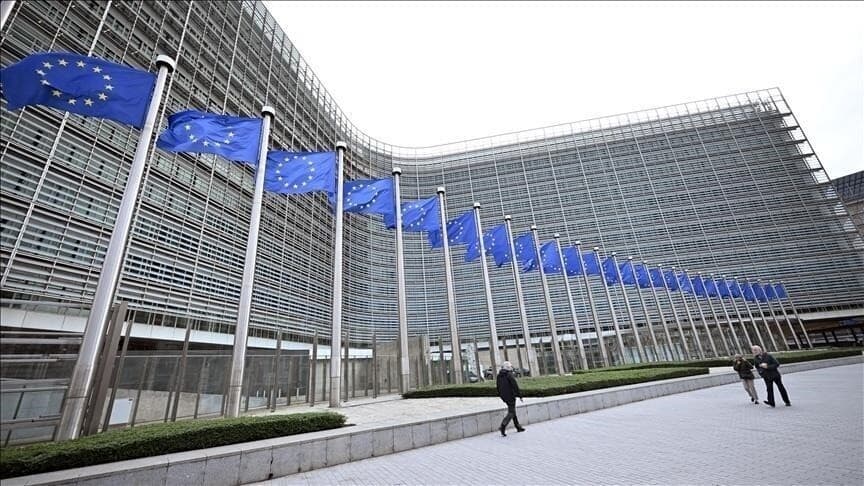
EU foreign ministers approved another sanctions package aimed at Russian banks, oil refineries and the so-called 'shadow fleet'. Almost 150 additional individuals and legal entities have been added to the lists. A 22nd economic sanctions package is expected later this month. Since the start of the full-scale invasion of Ukraine in 2022, the EU has imposed sanctions on approximately 4,600 individuals and entities and frozen more than €28 billion in private assets.
Which measures work and which are circumvented
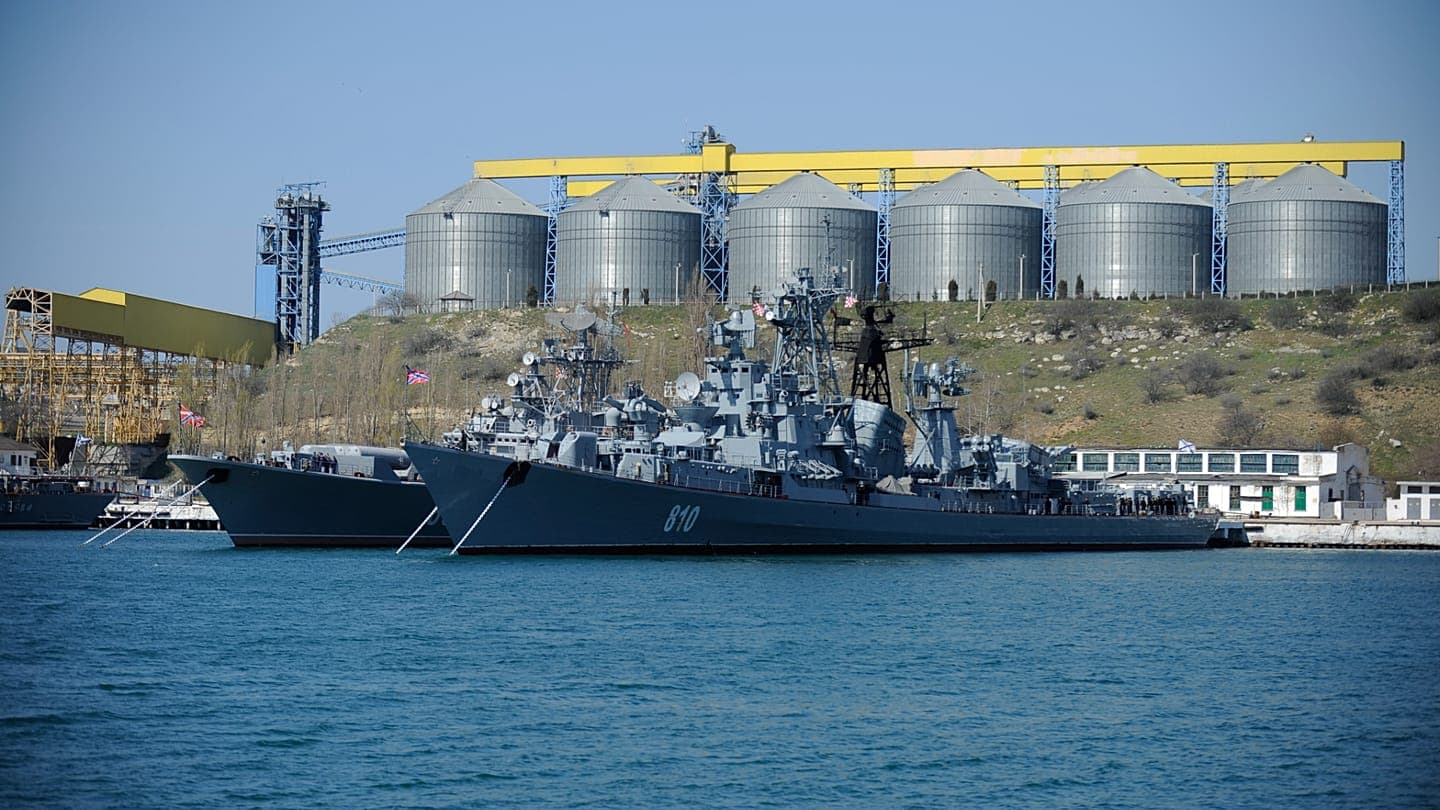
According to analysts, sanctions against Russia are working more effectively than those against other countries. The import ban on oil and export restrictions on Western technology hit hardest: they damage the economy and the ability to produce high-tech military equipment. At the same time, Russia uses trade loopholes and the 'shadow fleet' to export oil. Konstantin Egorov, an associate professor of economics at the University of Antwerp, explained to the Euronews Verify programme that obtaining sanctioned goods inside Russia is 'not that difficult': a significant share arrives via third countries — Kazakhstan, Turkey, Armenia, Hong Kong — and there is no need to hide them, since it is legal on the Russian side of the border.
Bomb threats in European aviation
In the same episode, Euronews Verify examined the wave of bomb threats: in just five days, more than 50 flights across Europe were affected. Aircraft were diverted, fighter jets were scrambled, and passengers faced lengthy delays, yet no explosives were found during inspections. Rhys Jones, analytical content manager at Osprey Flight Solutions, noted that there is little hard evidence of a direct link to Russia — only assumptions in publications citing anonymous security service officials — but, in his words, the picture matches operational intentions and tactics previously observed from Russia. Guntram Wolff, a senior fellow at Bruegel, assessed what is happening as part of a broader campaign: the goal is to impose economic costs and undermine the political order of the affected countries by destabilising them.