The key facts
- Mark Carney: the sanctions are “very real” and will grow as long as the war continues
- Carney called Putin's claims about the ineffectiveness of sanctions lies about the situation on the front
- Since 2014, Canada has imposed restrictions on more than 3,500 individuals and entities and over 700 vessels
Carney's response to Putin's statement
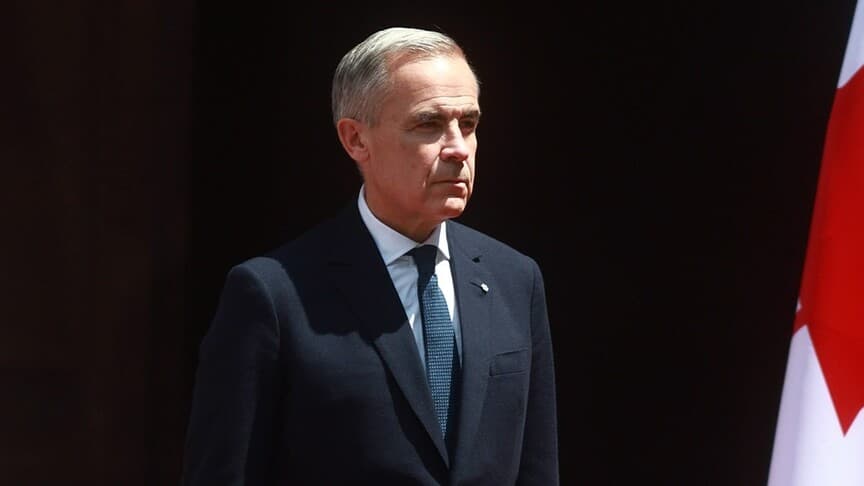
Canadian Prime Minister Mark Carney on Wednesday, speaking at a press conference in Shenzhen, China, pledged to keep ramping up economic sanctions against Moscow, as long as the Russia-Ukraine war continues. “The sanctions are very real, and they will continue to grow as long as this war goes on,” he told journalists, as reported by the Anadolu agency.
The dispute with Putin
Carney's statement was a response to remarks by Vladimir Putin, who said the same day that “instruments of economic dominance and de facto coercion” had “outlived their usefulness” and lost their effect. Carney called the sanctions “absolutely necessary” in response to an “illegal and unjust war” and accused Putin of “lying about the situation on the ground.” “Mr. Putin can ask his financial institutions, he can ask his oligarch friends, he can ask his hockey players whether sanctions are a thing of the past,” Anadolu quoted him as saying.
The scale of the restrictions and Ottawa's position
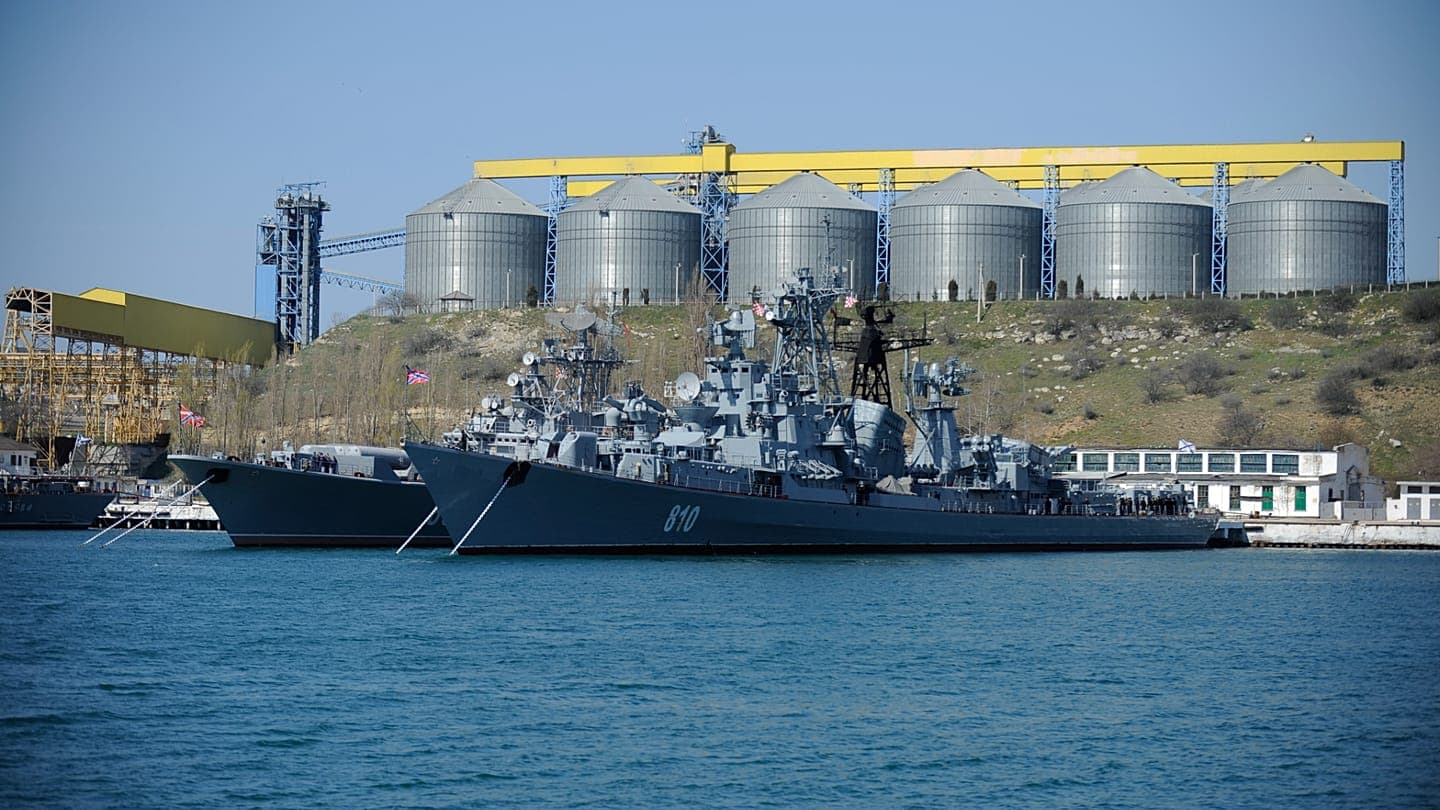
Carney stressed that Ottawa is coordinating the updating of restrictions with partners in real time, with particular focus on Russia's “shadow fleet” of tankers and its financial institutions. He said that if he had occasion to be near Putin, he would clearly state Canada's position; asked about the approach of former prime minister Stephen Harper, who in 2014 said he would shake the Russian president's hand while demanding that he “get out of Ukraine,” Carney replied that he fully agreed with him.
Sanctions statistics
Since 2014, Canada has imposed sanctions on more than 3,500 individuals and legal entities, as well as over 700 vessels — under the wording citing “violations of Ukraine's sovereignty and territorial integrity and gross and systematic human rights violations.” The latest package added 38 entities and 24 individuals to the restrictions.