The key facts
- According to WOAH, veterinary services and animal health systems receive only about 0.02% of climate investment
- Soubeyran called for including animal health in national adaptation plans with a dedicated funding line
- Livestock accounts for about 14.5% of global greenhouse gas emissions, while about 20% of livestock production losses are linked to disease
The underfunded part of the climate agenda
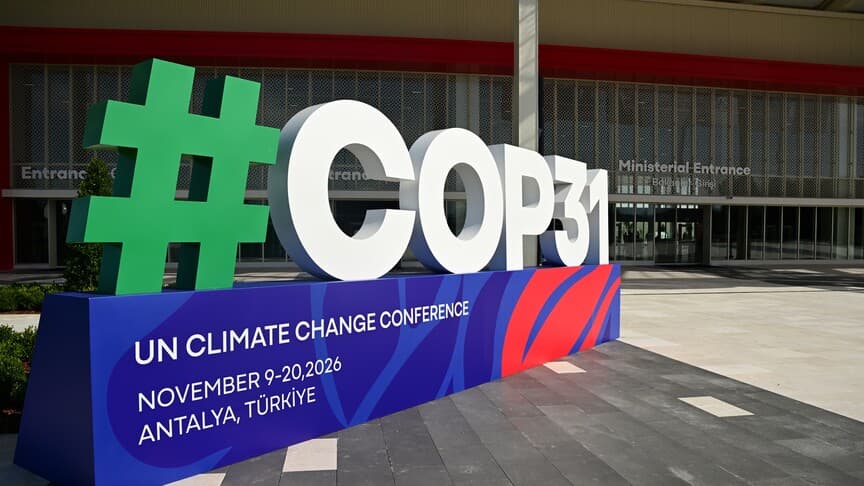
Emmanuelle Soubeyran, Director General of the World Organisation for Animal Health (WOAH), on the sidelines of the COP31 climate summit in Antalya called on governments to increase investment in animal health and veterinary services in order to strengthen resilience to climate change. The interview was published by the Anadolu agency. “Animal health is not an expense, it is an investment with a very good return”, she said.
0.02% of climate budgets
Soubeyran noted that the link between climate change and animal health is insufficiently reflected in climate financing. According to her, the share of climate investment directed to veterinary services and animal health systems is about 0.02% of the budget, which she described as a very low level. WOAH advocates that animal health be explicitly included in countries' national adaptation plans with a dedicated funding line that would help veterinary services and farmers prepare for climate risks.
Climate is changing the disease picture
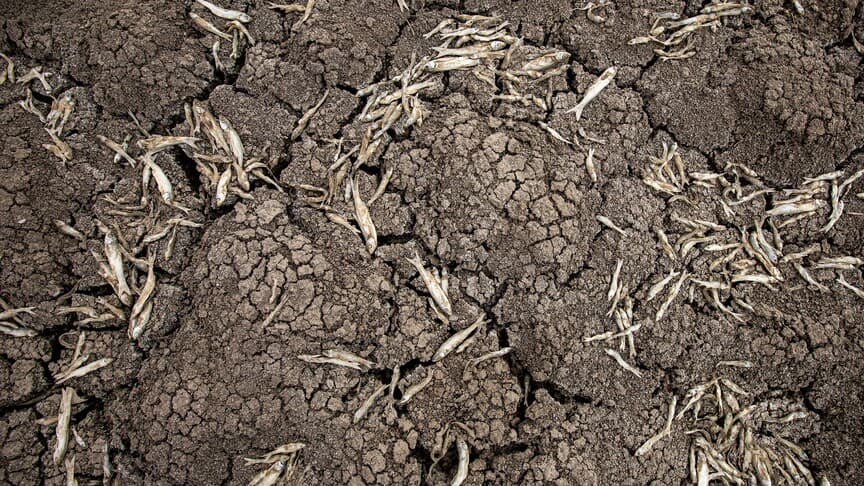
According to Soubeyran, climate affects animal health directly — through extreme weather events — and indirectly, by changing the geographic distribution of insect-borne diseases. She cited Rift Valley fever, bluetongue and West Nile fever as examples, warning that their spread also poses risks to human health. In this regard, she called for strengthening surveillance systems, veterinary laboratories and vaccine production capacity.
The intersection of animal and human health
Soubeyran emphasized the growing intersection of animal and human health: according to her estimate, 75% of new infectious diseases in humans originate in animals, and climate change may further increase the risk of their transmission. She said cooperation between veterinary and public health authorities is essential, above all in information sharing and early detection of possible disease outbreaks.
Animal health as part of the climate solution
Soubeyran also linked improving animal health to reducing emissions: livestock accounts for about 14.5% of global greenhouse gas emissions, while roughly 20% of livestock production losses are linked to disease. “If we improve animal health, we will reduce gas emissions,” she explained. She added that the organization will seek greater support for animal health from COP31 participants and thanked Turkey for the invitation to take part in the conference. “We need to raise awareness. That is why we are here. Animal health is part of the solution,” she concluded.