The key facts
- According to Channel 12, the campaign coordination meeting took place on October 15 in Yarka, with Daniel Greenberg as its coordinator
- The arrests of Ra'am activists on election day, October 27, were carried out without search or arrest warrants; the 'intelligence' source was a former employee of the prime minister's office
- The Shin Bet chief sought permission to wiretap five Arab Knesset members — the attorney general rejected the request; the police commissioner ordered a review
What happened
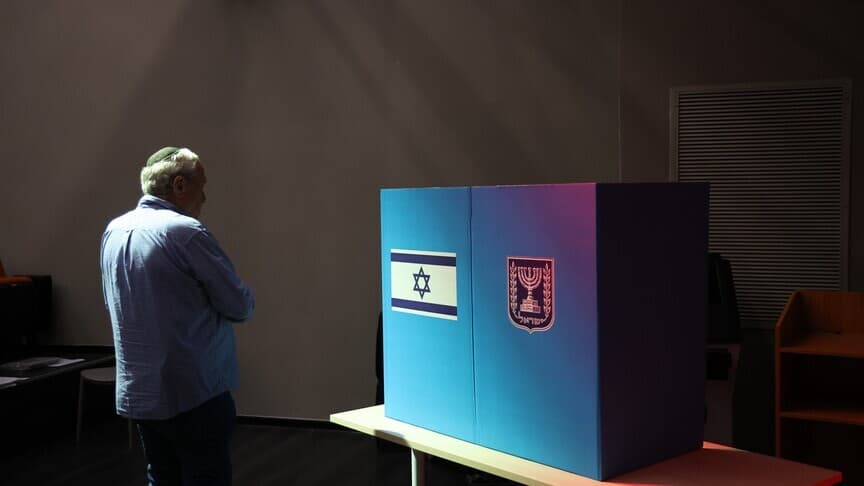
Israeli media published investigations into how the circle of interim Prime Minister Benjamin Netanyahu prepared a campaign to 'criminalize' Arab voting. According to the investigations, the work began roughly two weeks before election day on October 27 — when polls and assessments by people in the premier's circle indicated he might lose. The efforts included the use of intelligence sources and filing complaints with police, and culminated in arrests and searches of Palestinian activists inside Israel in the hours before voting.
Timeline according to the investigations
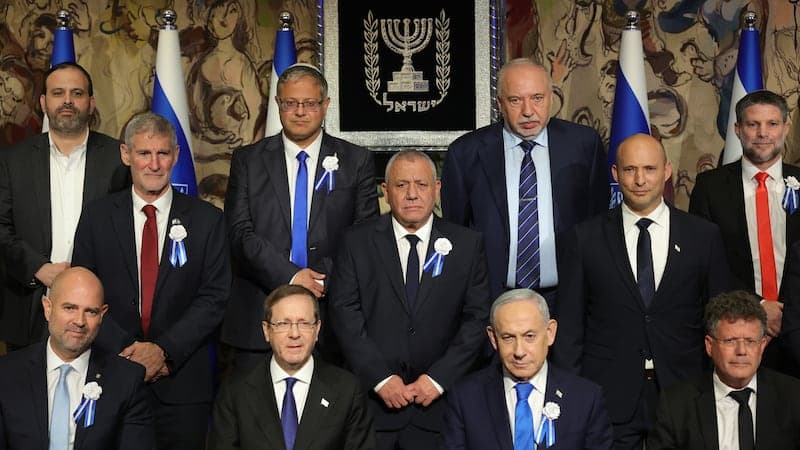
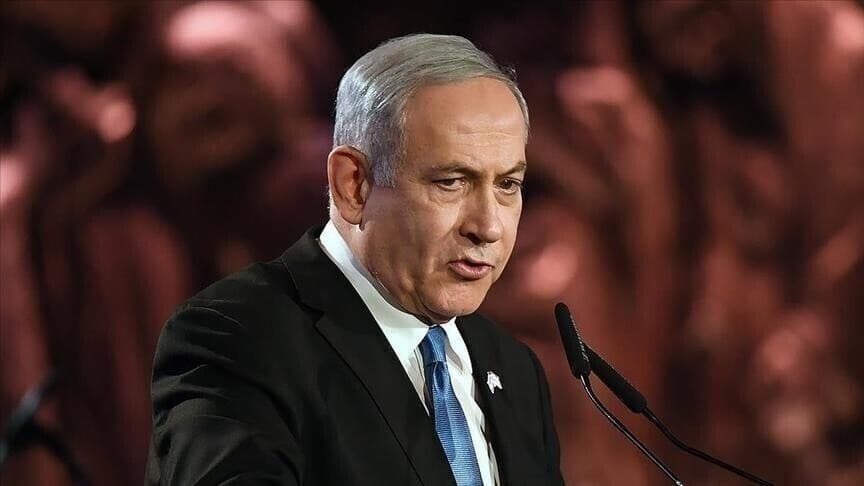
On Sunday evening, Channel 12 aired an investigation into the actions of police and security services on the eve of the election. According to its findings, Netanyahu's office chief Yido Norden, on the night before voting, contacted the police commissioner's office with a complaint about activists of the United Arab List (Ra'am) and pointed police to an intelligence source — who turned out to be a former employee of the prime minister's office. The information obtained, together with the complaint, became the basis for arrests and searches of activists' homes, with police holding neither search warrants nor arrest warrants. It was also reported that Shin Bet chief David Zini, on election day, requested permission to wiretap the phones of five Arab Knesset members, citing suspicion of external interference — Attorney General Gali Baharav-Miara rejected the request. Netanyahu subsequently questioned the legitimacy of the election results.
The campaign was prepared in advance
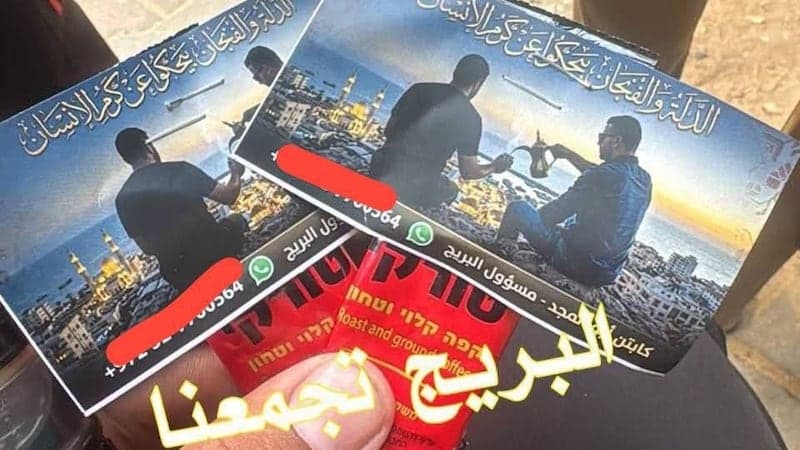
On Monday, Channel 12 reported that on October 15, nearly two weeks before the election, a coordination meeting was held in a hall in the northern city of Yarka, marking the start of a campaign accusing the Arab community of electoral fraud. Daniel Greenberg was appointed to lead the efforts, effectively coordinating the project together with activists and other organizations; Norden was also present at the meeting. Greenberg had previously worked as a senior aide to the former director general of the prime minister's office, Yossi Shelley. The state broadcaster KAN identified Greenberg as the very 'intelligence source' on whom police relied when opening a case on the eve of the election and arresting Ra'am activists several hours before polls opened. According to Channel 12, the information was entered into police systems as intelligence and used as grounds for warrantless searches, and was then presented to a judge at hearings on extending detention.
Reactions and reviews
KAN reported that the suspects have already been released, the case against them is close to being closed, and police and the Justice Ministry are examining the veracity of the information provided by Greenberg. Greenberg's lawyer Avichai Yehosef stated that his client is a private individual who left the prime minister's office about six months ago and has not since participated in political activity. Norden himself, in recordings published by KAN, called the source a 'citizen,' without mentioning his former work in the office: 'A citizen came with information, and I connected him with the police.' The Prime Minister's Office confirmed that Norden referred the source to police and did not deny his former work at the office, but called the report itself 'false,' stating that Norden 'fulfilled his duty, like any law-abiding citizen,' and did not speak with police intelligence. Yisrael Beiteinu leader Avigdor Lieberman, after being appointed chair of the Knesset Foreign Affairs and Defense Committee, said he would request summoning Chief of Staff Eyal Zamir, the heads of the Mossad and Shin Bet, and the police commissioner to discuss attempts to influence the election, noting 'significant discrepancies between the police and the Shin Bet.' Police Commissioner Dani Levy instructed his deputy Yair Hezroni to conduct a comprehensive review of decision-making procedures and inter-unit coordination; conclusions are expected within a week.
Significance of the investigations
Channel 12 summarized the sequence: the complaint came from the head of the prime minister's office, and the 'intelligence' from a former employee of the same office, and on these two sources police carried out arrests at the most sensitive moment. The outlet quoted a senior law enforcement official familiar with the case: 'These events taught me that there will no longer be honest elections here. When the Shin Bet and police act this way — deliberately or simply as instruments — we can no longer guarantee the integrity of the next elections.' It remains unclear how the police and Justice Ministry reviews will conclude and whether the findings of the TV investigations will be officially confirmed.