The key facts
- The opposition nominated Matan Kahana for Knesset speaker; the vote is scheduled for Tuesday evening
- Current speaker Amir Ohana is a Netanyahu loyalist; the post gives influence over parliament's work and legislation
- Netanyahu's bloc won 53 seats without a majority of 61, the Jewish opposition won 48, and Arab parties won 19
Fight for the Speaker Post Amid an Unformed Government
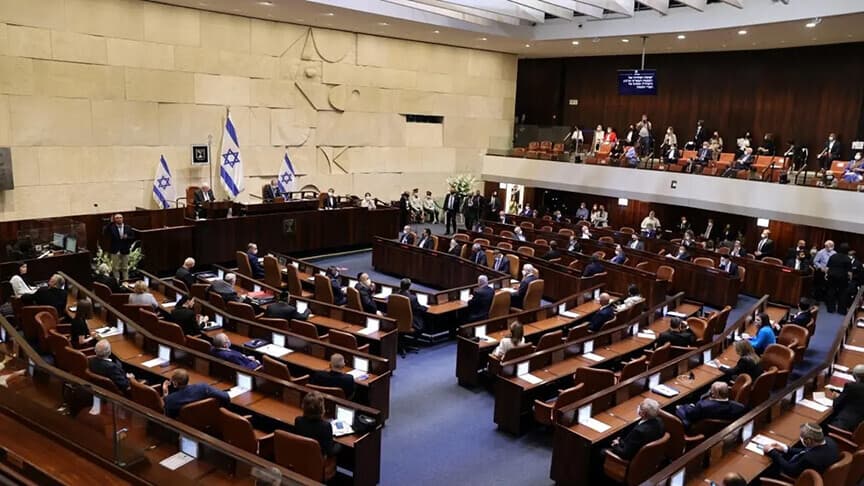
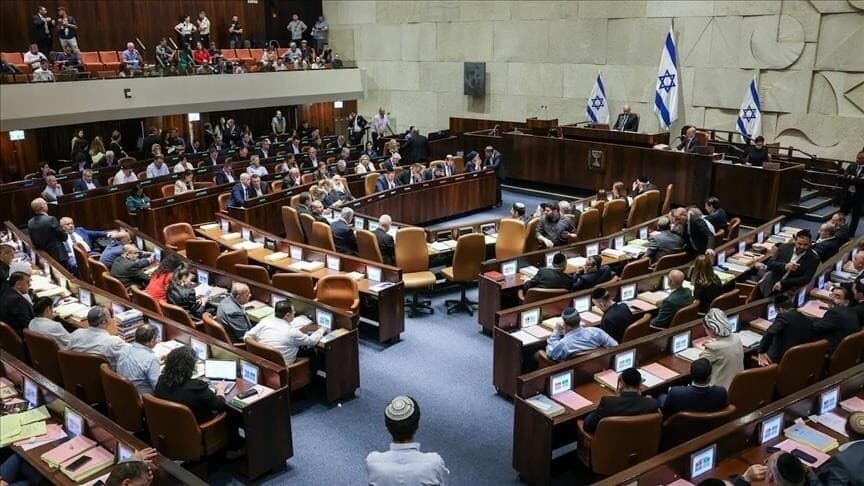
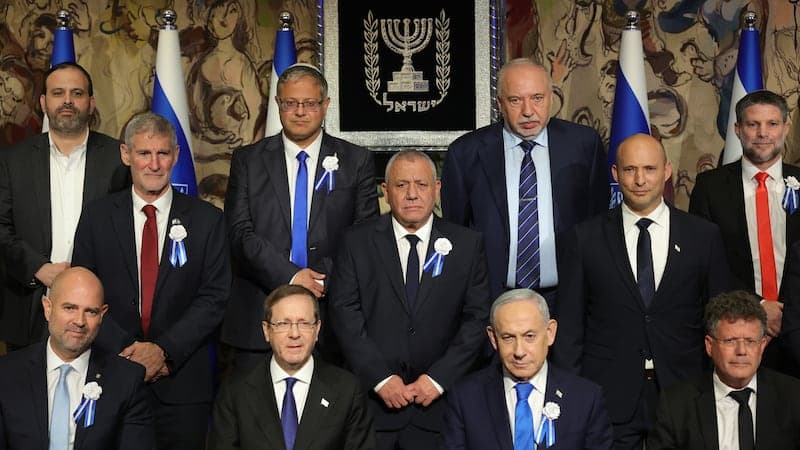
Israel's opposition is attempting to elect Matan Kahana as Knesset speaker, replacing current speaker Amir Ohana, who is loyal to Prime Minister Benjamin Netanyahu. The vote was scheduled for Tuesday evening. The speaker post grants significant influence over the parliament's work and the legislative process, and the opposition considers it key to beginning a review of the legacy of Netanyahu's last four years in power, even though a new government has not yet been formed.
Opposition Plans and the Risk of Obstruction
Opposition politicians said they intend to pursue the most thorough possible investigation into the October 7 attacks, the repeal of the previous coalition's judicial overhaul, which sparked sharp disputes, and the introduction of a limit on the number of terms for prime ministers. Kahana was expected to receive broad opposition support, including from Arab parties. According to Israel's Channel 12, the opposition feared that Netanyahu's camp would try to delay the vote through obstruction. Right-wing protests against the opposition leaders' decision to nominate a new speaker took place in Jerusalem.
Context of the Political Deadlock
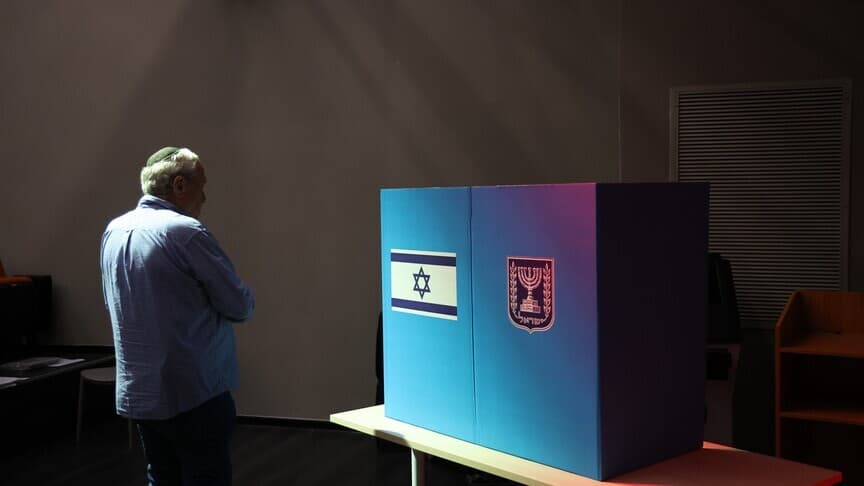
The course of the fight for the speakership reflects the political chaos after the October elections: Netanyahu's bloc won 53 seats — significantly short of a majority of 61, the Jewish opposition won 48, and the parties of the Arab minority won 19. The deadlock opens the way to months of negotiations overseen by President Isaac Herzog; if a government cannot be formed, the country faces new elections. Gadi Eisenkot, leader of the opposition Yashar party and the president's first choice to form a government, has few clear options, as many of his allies refuse to work with Arab Israeli politicians.
Disputes Over Election Interference and a Police Review
After the results were announced, politicians have been arguing over Netanyahu's desire to continue strikes on Iran, over alleged voting irregularities, and over the implications of the Democratic Party's major wins in the US midterm elections. The sharpest disagreements concern claims that Netanyahu tried to influence the elections by delegitimizing high Arab voter turnout with statements about a foreign-funded campaign. Leaders of Arab parties and part of the mainstream Jewish opposition called his behavior racist and unlawful interference in the democratic process. On Monday, Israeli police announced an internal review following reports that employees of the Prime Minister's Office on election day launched information that led to the arrest of three Arab activists, in order to motivate right-wing voters to go to the polls by creating fear of an illegitimate rise in Arab turnout.