The key facts
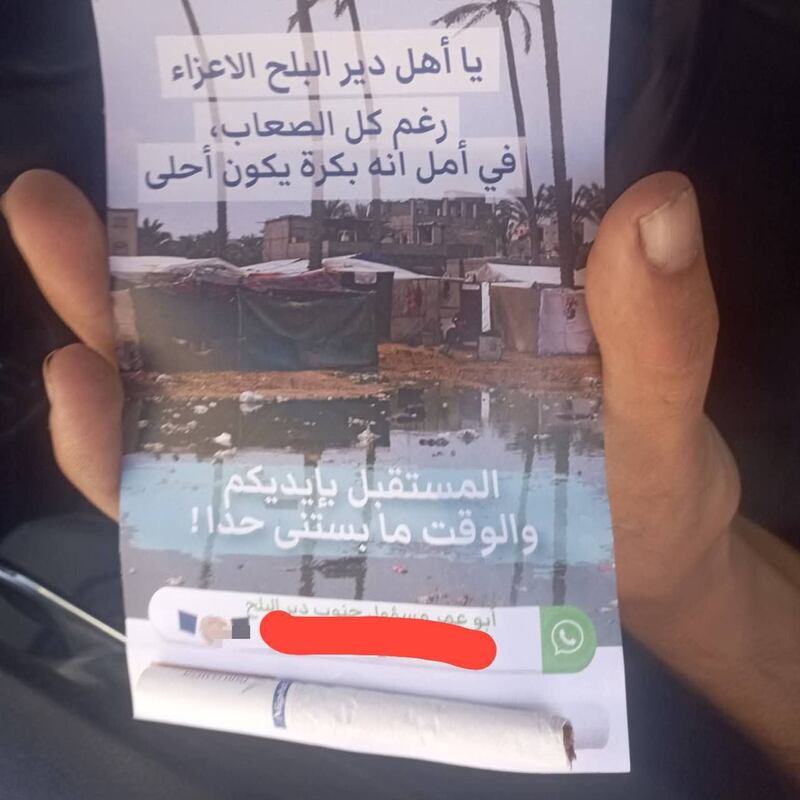
- Leaflets with attached coffee and cigarettes were dropped by drones over Gaza, Deir al-Balah and other areas
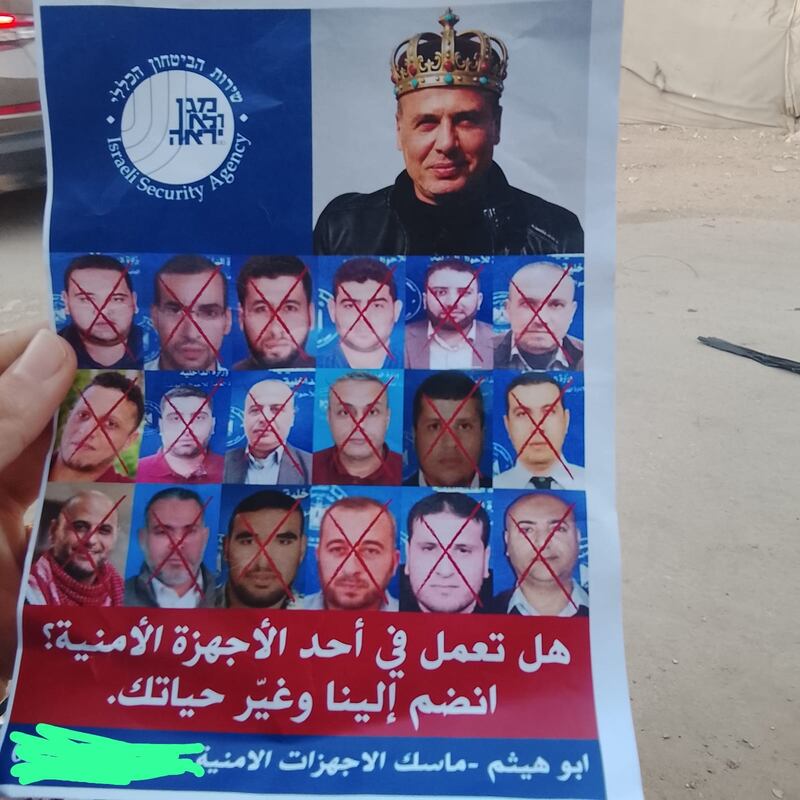
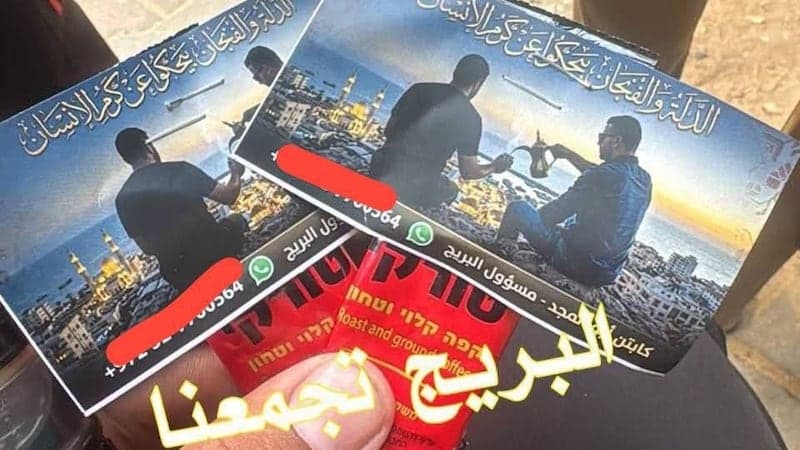
- Some leaflets contained WhatsApp numbers and calls to share information about Hamas, others carried names and photos of killed Palestinians
- Residents took the attached items but tore up or burned the leaflets; Gaza authorities warned against calling the numbers
Drones drop leaflets with gifts and calls to make contact
Quadcopters dropped leaflets over several areas of the Gaza Strip, with small packets of coffee and cigarettes attached to each one. Residents reported drops in Gaza City, Deir al-Balah, as well as near al-Saraya and in the Nasser district. Some leaflets contained WhatsApp numbers and invitations to seek help or pass on information about Hamas and other Palestinian armed groups. Others carried the names and photographs of Palestinians killed since the start of the war in October 2023 or, in Israel's view, still remaining targets. One leaflet bore the inscription: 'The coffee pot and cup speak of a person's generosity.' One leaflet with the logo of the Shin Bet security service read: 'Work with the security agency? Join and change your life.'
Residents' reaction: mockery and scarcity
Moamen Abu Ajwa, a 35-year-old greengrocer displaced from Gaza City to Deir al-Balah, said drones dropped leaflets over the city market around midday on Monday. According to him, residents rushed to collect the leaflets only for the attached items: 'We did it not because we wanted to contact the Israeli army, but to get cigarettes.' He called the combination of recruitment appeals with gifts contradictory: the leaflets promised help and a better life while demanding information about members of armed groups. Amir Nofal, 29, a resident of the Jabalia refugee camp, said people reacted to the messages with mockery — tearing up or burning the leaflets after taking the cigarettes and coffee. The distribution of cigarettes caused particular irritation: residents noted that Israel has not allowed cigarettes through official border crossings for more than a year, leaving them in short supply. 'Israel does not let cigarettes through official channels, yet it sends them to us itself with leaflets urging us to make contact,' said Abu Ajwa, adding that the crossings should instead be opened for essential goods.
Authorities' warning and campaign context
Palestinian security agencies warned residents not to call the numbers listed on the leaflets. An officer of Gaza's internal security service said similar materials with attached cigarettes, coffee or chocolate had also been dropped in recent months. According to him, a small number of Palestinians seeking humanitarian aid contacted the advertised numbers and were subsequently drawn into working for Israeli intelligence, at first not understanding what was happening. 'We have encountered several such cases, but they are limited and should not be generalized,' he said, adding that the overwhelming majority of Gaza residents do not succumb to such methods. He also noted that footage of people running toward the packets does not necessarily indicate support for Israel — it reflects the acute scarcity in the territory. The campaign is unfolding against the backdrop of a second wartime winter for more than 2 million residents of Gaza without adequate shelter, clothing or supplies. According to Gaza's health ministry, despite the ceasefire agreement with Hamas reached in October of last year, Israel continues to restrict the entry of essential goods and to carry out strikes; the overall death toll among Palestinians since the start of the war has risen by more than 1,600 to nearly 75,000, most of them civilians.