The key facts
- The Shin Bet found no evidence of bribery capable of changing the outcome of the October 27 elections
- The next priority will be examining possible foreign interference
- Earlier, the police and attorney general also found no grounds to speak of large-scale violations
Results of the review
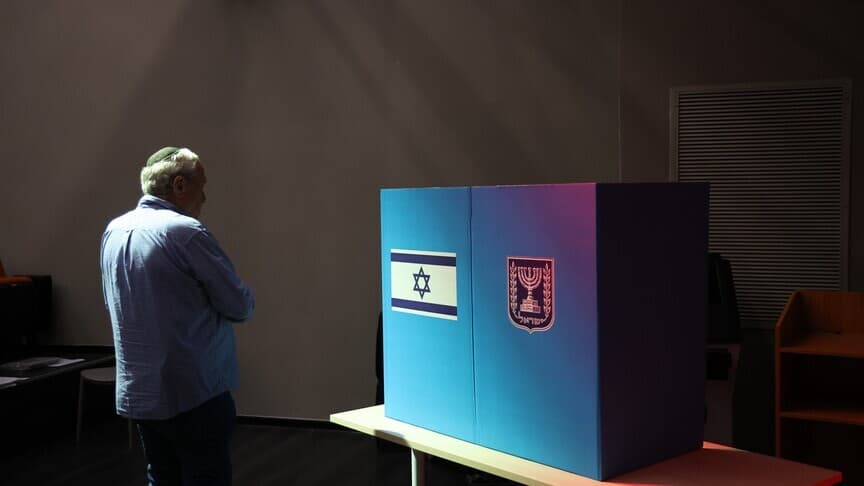
The head of Israel's Central Elections Committee, Noam Solberg, stated that the investigation revealed numerous suspicions but established no facts of voter bribery on a scale capable of changing the outcome of the parliamentary elections on October 27. He announced this after a briefing on the results of the review, having coordinated the wording with the head of the Shin Bet, David Zini — the details are reported by the newspaper Yedioth Ahronoth. According to Solberg, the service's next priority will be examining suspicions of foreign interference and attempts to undermine state security.
Context of the dispute
The statement capped weeks of political controversy: Prime Minister Benjamin Netanyahu's Likud party and other right-wing parties accused their opponents of voter bribery and foreign interference in the elections to the 26th Knesset. The investigation examined suspicions of vote-buying in favor of Arab parties and of money transfers from abroad; reports in Israeli media about Qatari financing being involved remained unproven, and Doha rejected the accusations. Back on October 29, Solberg instructed Zini to examine intelligence about possible interference through illegal funding.
What other agencies have already said
The elections committee's conclusion aligns with assessments voiced earlier: according to Yedioth Ahronoth on November 10, the police, after examining Shin Bet intelligence, found insufficient grounds to suspect offenses in the sphere of election financing or against state security. Attorney General Gali Baharav-Miara also stated that there is no evidence of foreign interference on a scale capable of changing the result, and that the available information concerns only isolated episodes. Solberg himself had previously emphasized that the elections were conducted properly and that the official results reflect the will of the voters.
Political situation
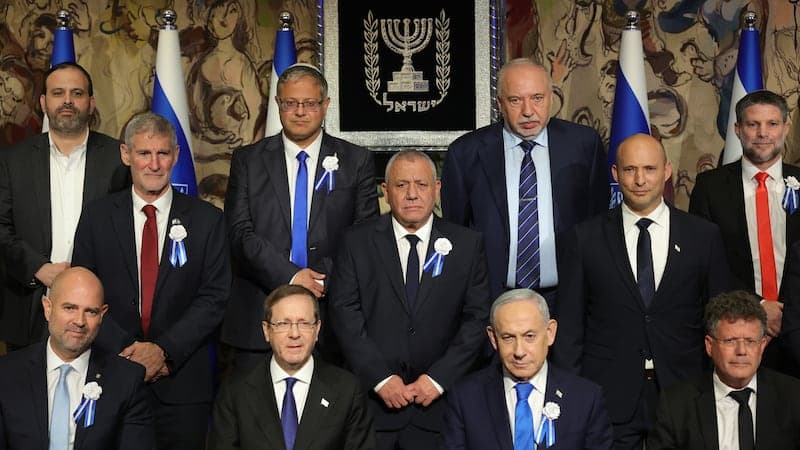
Amid the unfolding controversy, the election results remain unchanged: parties opposed to Netanyahu, together with Arab factions, won 67 of the 120 seats in the Knesset, against 53 for his supporters. On November 8, President Isaac Herzog tasked Yashar party leader Gadi Eisenkot with forming a government; coalition consultations are ongoing.