The key facts
- The GCC Secretary-General demanded full compensation from Iran for attacks since February 28 and urged the UN Security Council to hold Tehran accountable
- The International Maritime Organization recorded 134 incidents in the Strait of Hormuz, with 25 seafarers killed
- Saudi Arabia is pumping about 4 million barrels of oil per day through its pipeline to the Red Sea
Demand for compensation at the Security Council
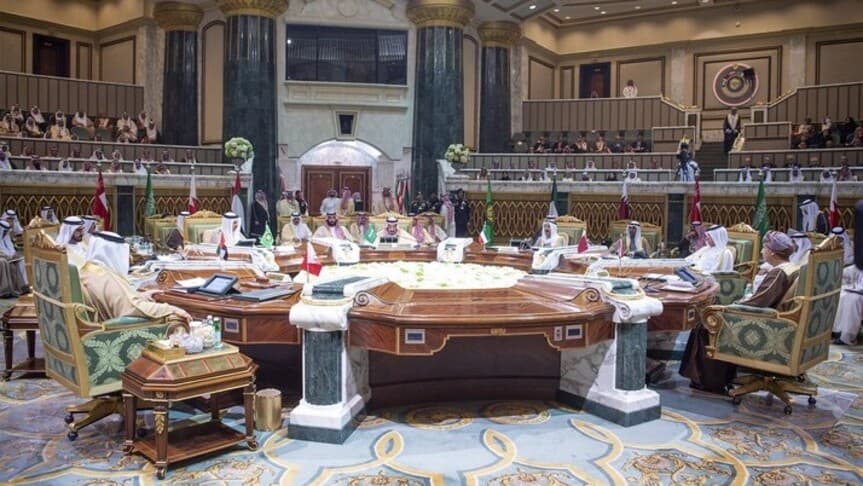
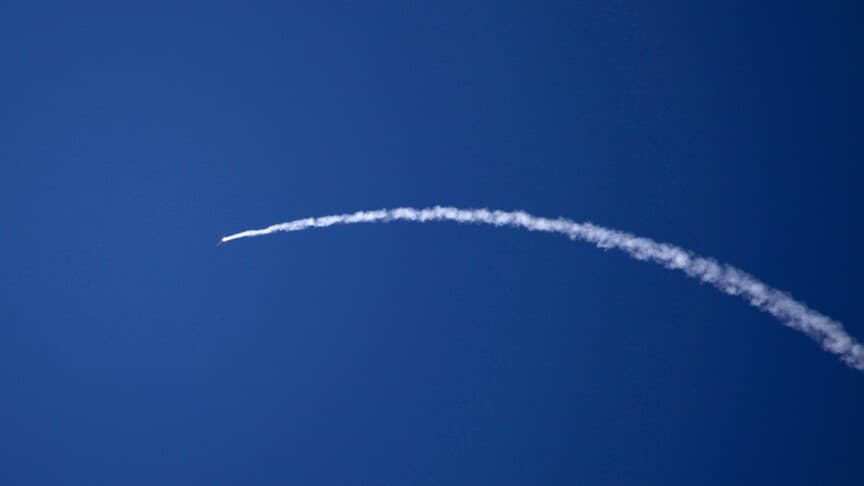
The member states of the Gulf Cooperation Council on Friday formally demanded that Iran pay full compensation for the damage caused by thousands of missile and drone attacks that began in February, and called on the UN Security Council to hold Tehran accountable and prevent further strikes. This was reported by The National. GCC Secretary-General Jasem Al Budaiwi told the 15 members of the Council that since February 28 Iran had attacked airports, ports, oil and gas facilities, power plants, desalination plants and residential areas.
Consequences for shipping and oil
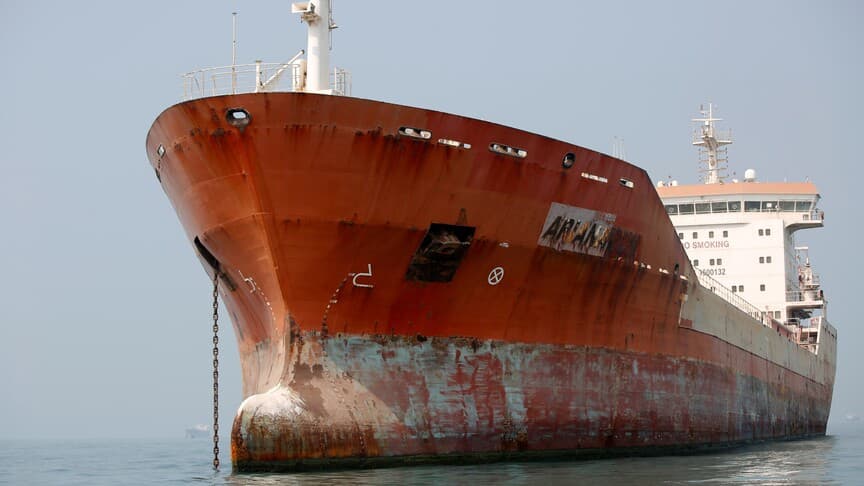
Al Budaiwi demanded that shipping conditions in the Strait of Hormuz be restored to their state before February 28 and rejected attempts to obstruct navigation or impose unlawful passage fees. According to him, any future agreement with Iran must address the Gulf's security concerns, including Tehran's nuclear program, ballistic missiles, drones and support for armed groups. The conflict has disrupted oil shipments through the strait: Saudi Arabia is rerouting about 4 million barrels of crude oil per day through its east-west pipeline to the port of Yanbu on the Red Sea — roughly 4% of global oil supply. UN Deputy Secretary-General Khaled Khiari warned that shipping in the Gulf remains significantly below pre-war levels despite the recovery of energy exports via alternative routes:
Context: the Houthis and Bab el-Mandeb
Beyond Iran's attacks, Yemen's Houthis, whom the outlet describes as Iran-backed, remain a source of tension in the south of the region: since September they have carried out missile and drone strikes on Saudi airports, ports and oil facilities. Fighting with the coalition supporting the internationally recognized government of Yemen intensified after the Houthis advanced toward the Bab el-Mandeb Strait — a strategic chokepoint at the southern entrance to the Red Sea. Thus, the GCC's demands at the Security Council concern not only compensation for past strikes but also the region's two key maritime arteries — the Strait of Hormuz in the north and Bab el-Mandeb in the south, through which the main oil export routes pass. Iran's response to the GCC statement and the position of the Security Council's permanent members are not given in the publication.