The key facts
- Trump said after meeting with Dmitriev that the agreement 'will affect more than Ukraine,' without clarifying what 'all of Europe' means
- Kaja Kallas: Europe already has a security architecture — NATO and the EU — and Ukraine must be integrated into it
- Russia at the talks in Abu Dhabi wanted to first discuss a pan-European structure and only then the details of the war
Trump's statement and Brussels' reaction
European leaders have so far made compromises on many demands from US President Donald Trump, but they were surprised to hear him raise the topic of a European security system in talks with Russian officials. 'This will be a big deal, and it will affect more than Ukraine,' Trump said after meeting with Russian envoy Kirill Dmitriev at the White House, adding that the deal could include 'all of Europe,' without clarifying what he meant by that. This is reported by Deutsche Welle.
Why 'security architecture' is a sensitive topic
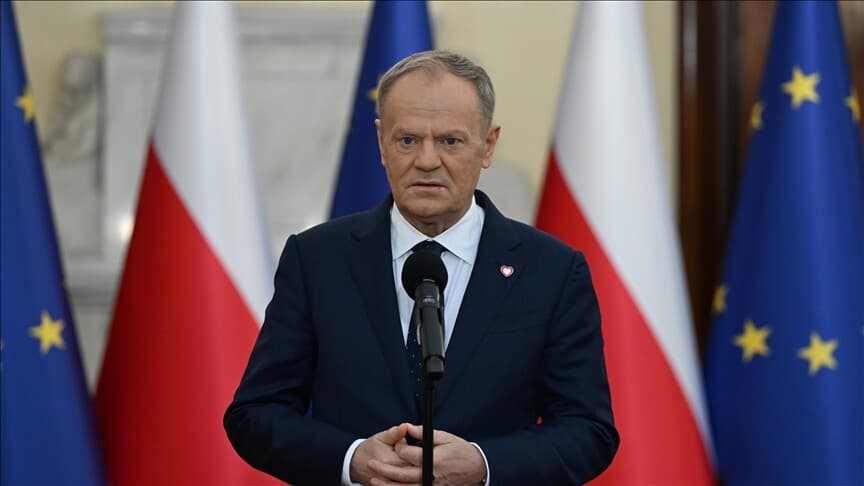
American envoy Jared Kushner, heading to talks with Russian and Ukrainian representatives in Abu Dhabi, said he was considering a 'broader' European architecture, noting that Europe and Russia have failed to build a sustainable security system for more than 30 years. European diplomats immediately objected to this approach, fearing that a peace settlement would restore Russia's sphere of influence and undermine NATO. EU foreign policy chief Kaja Kallas emphasized: 'We already have a European security architecture. NATO and the European Union have their roles. We must make sure that Ukraine is integrated into this architecture.'
The Russian thesis and its history
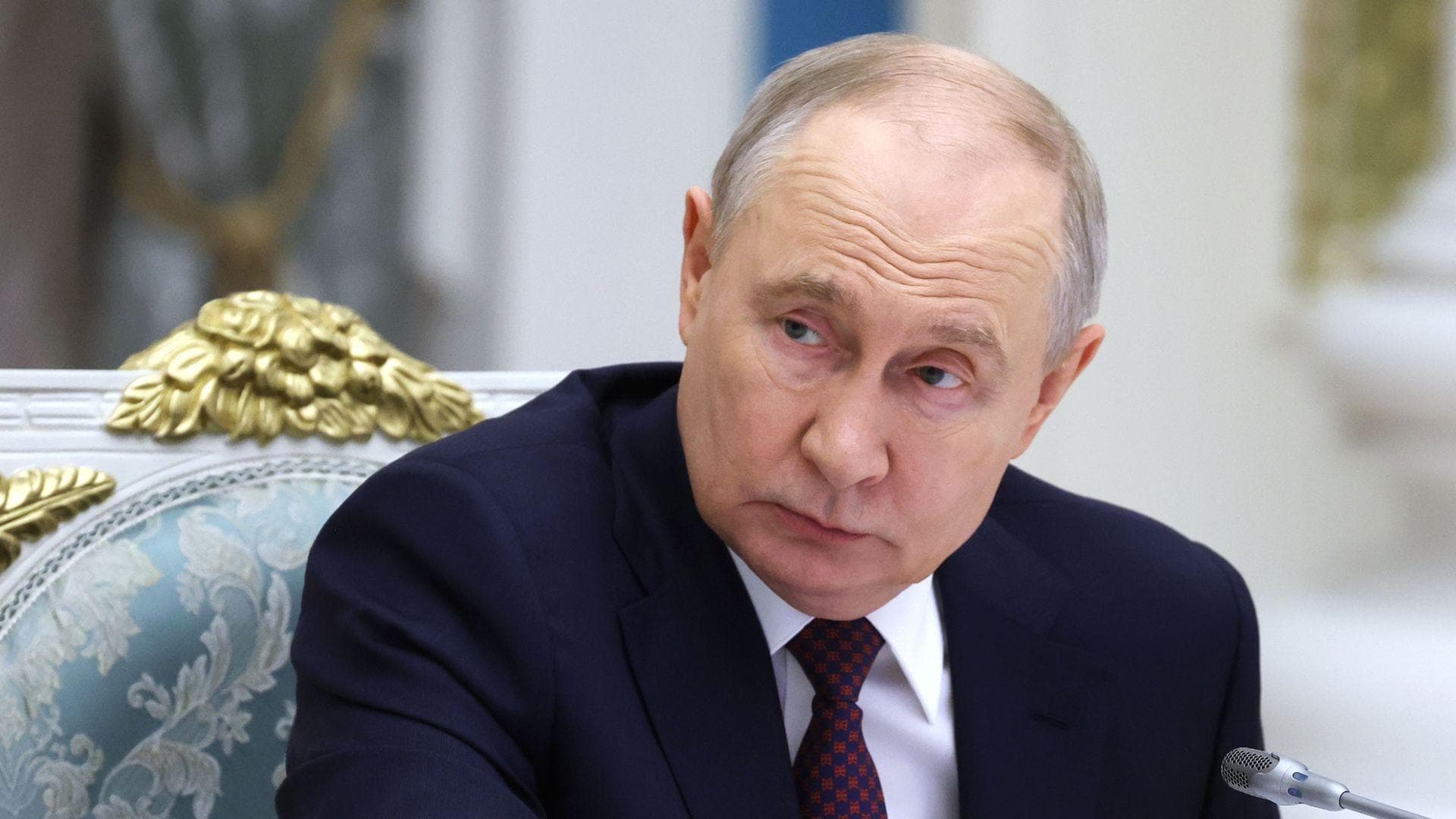
At the talks in Abu Dhabi, the Russian side made it clear that it wants to first discuss a pan-European security structure and only then the specifics of the war. Cold War historian Michael Kimmage called such formulations 'Russian talking points' and part of a propaganda campaign that sets the frame for the war that Moscow wants. The Russian leadership, including Vladimir Putin, has long claimed that the US and NATO broke promises in the 1990s not to expand the alliance into the former Soviet bloc, and views NATO enlargement as a humiliating situation in which Russia could change nothing. At the same time, in the 1990s there were even proposals for Russia to join NATO, and the relative stability ended with the war in Georgia in 2008, the annexation of Crimea in 2014, and the full-scale invasion of Ukraine in 2022.
What the EU blames Russia for
The European Union has repeatedly pointed to fundamental agreements that Russia has violated: the UN Charter, the 1975 Helsinki Act with its principle of non-use of force against territorial integrity, the Paris Charter for a New Europe, the OSCE, and the 1994 Budapest Memorandum, under which Russia, the US, and the UK gave security guarantees to Ukraine in exchange for its renunciation of nuclear weapons. Director of the Finnish Institute of International Affairs Hiski Haukkala warned that Russia must not be allowed to dictate terms leading to the neutralization or significant reduction of the Ukrainian army — this would make Ukraine vulnerable to future aggression and fully dependent on guarantees from the US or Europe. According to him, Russia 'is not interested in restoring the previous order' and wants something else, and its form of negotiation is waging war.
Next steps
According to DW, the Trump administration quickly shifted to ensuring that 'existing European security institutions' remain untouched: Kushner said on Thursday that the next round of talks would take place with the participation of 'our European partners,' and earlier spoke of 'amazing' postwar plans for Ukraine that cannot be concluded without Europeans at the table. Together with Steve Witkoff, he flew to Moscow to meet Putin after Abu Dhabi, and then to Dublin for a meeting with Volodymyr Zelensky. Some experts consider a new architecture with Russia impossible right now due to the lack of trust and a shared vision; post-Soviet policy expert Balazs Jarabik, on the contrary, believes that Russia is in any case part of the European system, and the only question is how to reduce the risk of escalation. On Friday, a number of European leaders rejected Russian demands to discuss Europe's security structure; the German government announced plans to hold a meeting of the 'coalition of the willing' to finance Ukraine's defense and develop a unified position on future peace talks.