The key facts
- After talks with Witkoff and Kushner, the Kremlin demands a 'new long-term architecture of indivisible security'
- Moscow has brought back to the table its December 2021 'draft treaties' on limiting NATO expansion
- Putin's aide Ushakov said Moscow is ready to 'add new considerations' to its demands
What happened in Moscow
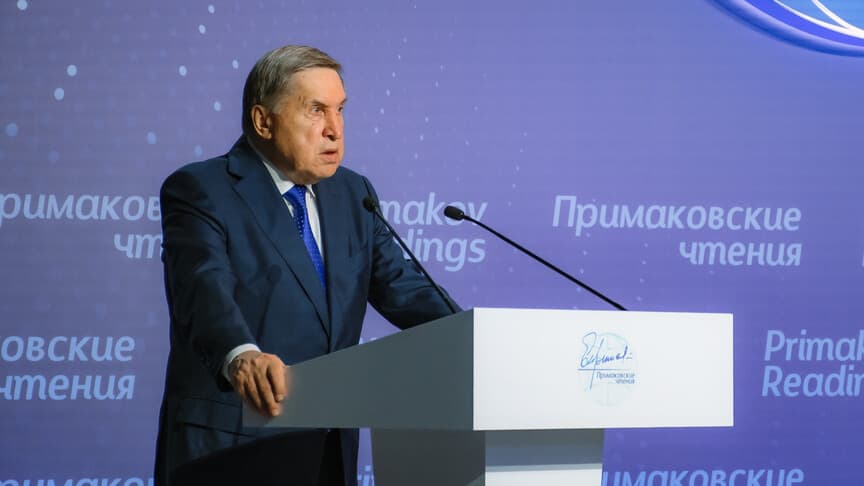
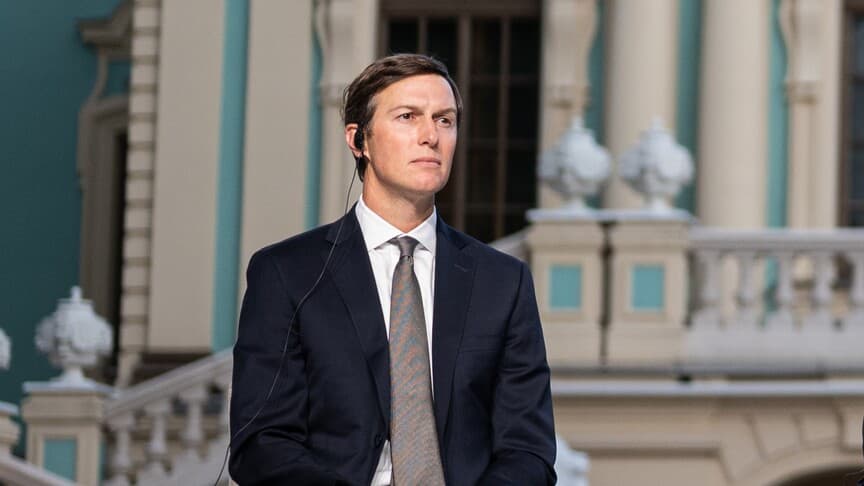
During talks with American envoys Steve Witkoff and Jared Kushner, Russian President Vladimir Putin spoke of his desire for an 'eternal peace' for Ukraine, while continuing to reject the idea of a comprehensive ceasefire. After the meeting, the Kremlin framed the condition for peace as a 'new long-term architecture of indivisible security and peace' — in essence, a demand to reorganize the European security system in Russia's favor.
The return of the 2021 demands
The Kremlin has once again raised its 'draft treaties' with the US and NATO, first proposed in December 2021. They provided for legally binding guarantees that Ukraine and Georgia would never join the alliance, as well as the withdrawal of NATO military infrastructure from Central and Eastern European countries. Western leaders at the time rejected these demands as an unacceptable ultimatum, and two months later Russia launched its full-scale invasion of Ukraine. Now these documents are being cited by the Kremlin again. Moreover, Putin's foreign policy aide Yuri Ushakov stated that Moscow is ready to 'add certain new considerations' to the list of demands in response to the West's attempts to 'inflict a strategic defeat on Russia.'
Europe's reaction and the question of European participation
EU High Representative for Foreign Affairs Kaja Kallas called Russia's demands for a new European security architecture a 'trap' designed to 'shift attention away from a ceasefire.' According to her, the priority should be a ceasefire first, then a peace agreement, and only after that a discussion of pan-European security. Europe is currently not taking part in the talks: this week, negotiations in Abu Dhabi were held with the participation of Ukraine, Russia, and the US. After his meetings in Moscow, Witkoff indicated that Putin had agreed to the participation of European representatives in the next round; however, on Friday Kremlin press secretary Dmitry Peskov said no final decision had been made: 'When we understand their true intentions and readiness to contribute to the peace process, then a decision can be made on a dialogue on Ukraine in a broader format.'
Moscow's position and context
At the talks, Putin appeared uncompromising and confident: the Americans are seeking a deal, European leaders are considering contacts — last month the leaders of Norway and Finland called him. Next week, on the sidelines of the APEC summit in Shenzhen, Putin may hold a separate meeting with Donald Trump and Xi Jinping; Russian media are already comparing the possible format to the 'Big Three' of 1945. At the same time, after almost five years of war, Russia has suffered heavy losses on the battlefield, its economy is under mounting pressure, and Ukrainian drone strikes on oil refineries are raising fears of new fuel shortages. So far, none of these circumstances has persuaded the Russian leader to end the hostilities.
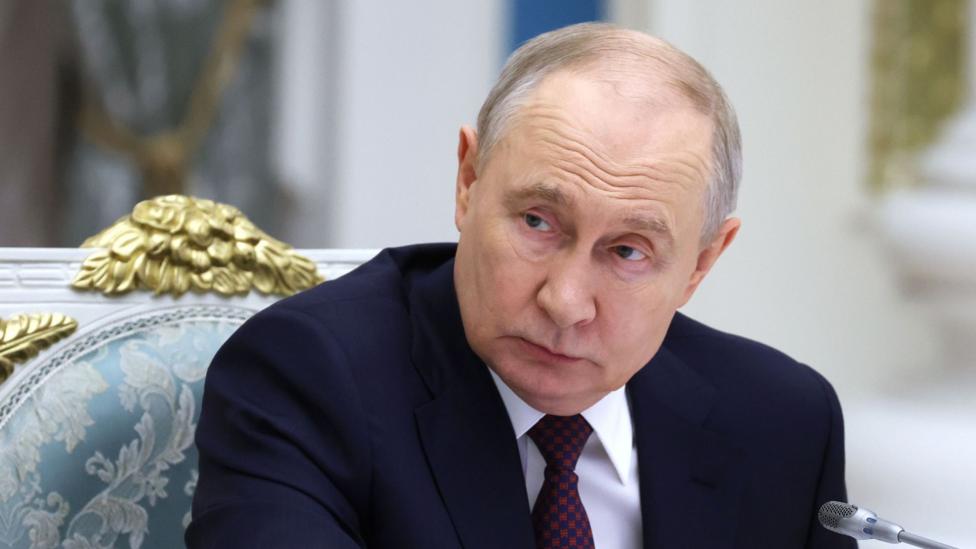 Image source, EPA
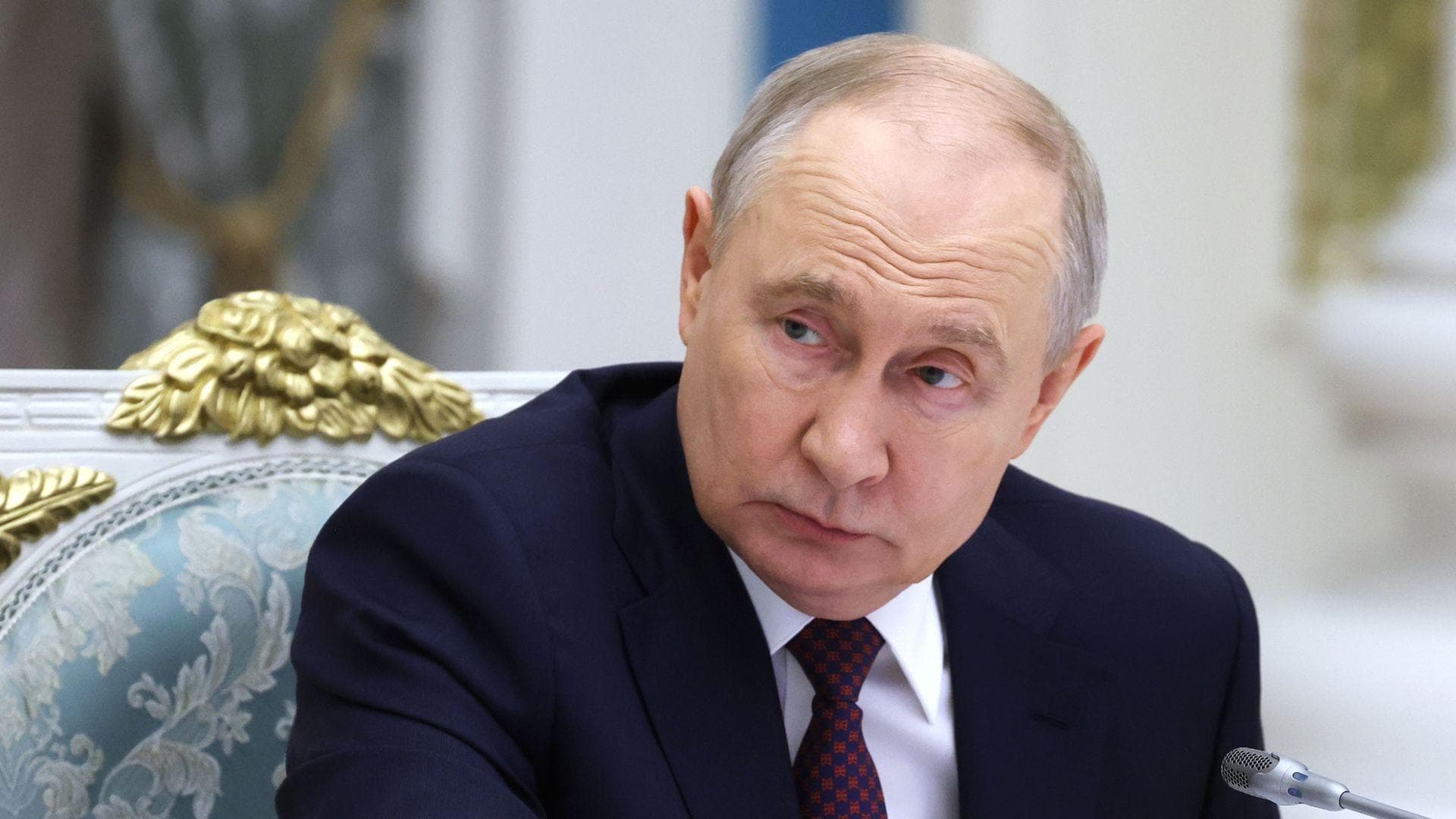
Putin sounded uncompromising and confident at his talks with the US envoys