The key facts
- Kaja Kallas called discussion of Europe's security architecture a 'trap' that shifts focus away from a ceasefire
- She said Europe must not merely be present at the talks but influence their outcome
- In her view, Russia does not want her as a negotiator because it prefers weak opponents
Warning ahead of the EU leaders' meeting
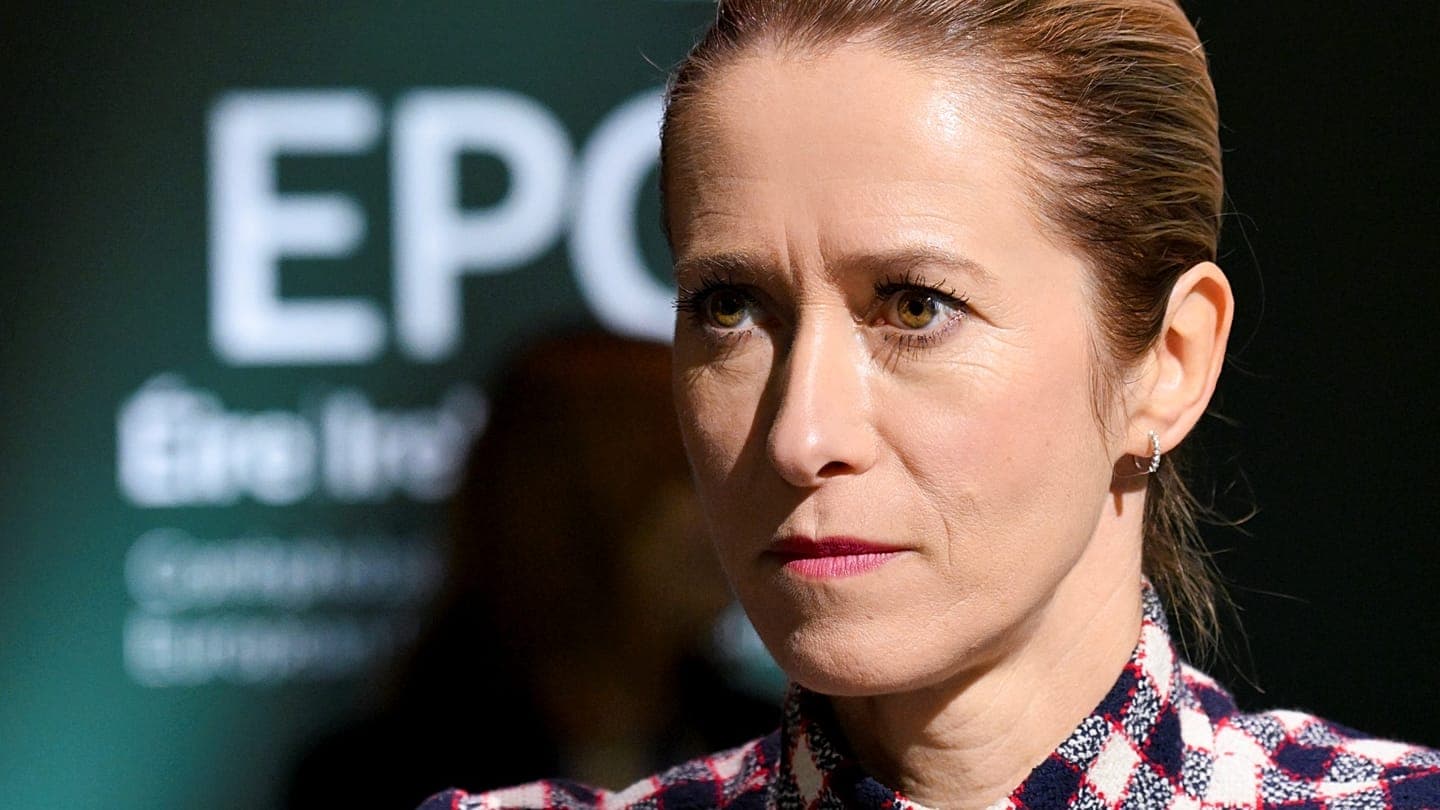
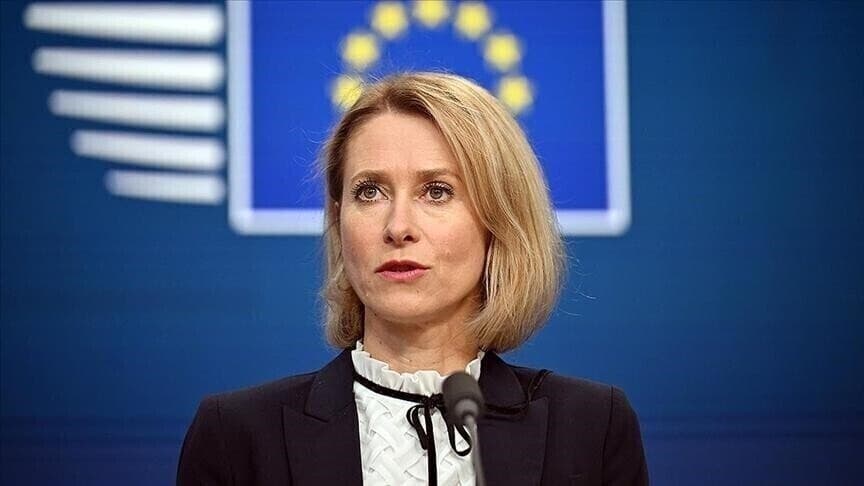
EU High Representative for Foreign Affairs and Security Policy Kaja Kallas on Friday, on the eve of an informal meeting of EU leaders, warned allies against discussing Russia's demands regarding European security architecture. In her words, such a conversation would be a 'trap' set by Moscow and would distract attention from the priority task — a ceasefire. 'If we start talking about what Russia demands in terms of security architecture, we will in fact fall into the traps Russia is setting for us,' Kallas said.
Priority — a ceasefire
Kallas emphasized that any discussion of European security architecture diverts attention from the fact that a ceasefire must come first. 'We are in a good position if we stick to the agreement to achieve a ceasefire. But if we fall into the trap and start discussing European security architecture, I don't think we will be in a better position,' she said. Thus, the EU's chief diplomat contrasted two scenarios: consistent pressure for a truce versus getting bogged down in talks about long-term guarantees that Moscow insists on.
On Europe's role and the choice of negotiators
Kallas also stressed the need for Europeans to be present at all stages of the peace talks: 'I hope that we are not just at the table, but actually influencing the outcome of these negotiations.' Asked why, in her view, Russia does not want to see her as a negotiator, she said: 'They don't want anyone strong opposite them, because they want to push through their maximum demands, as they have always done.' At the same time, she emphasized that the choice of negotiators is not Moscow's decision: 'But it is not for them to decide. Otherwise, if we give them the right to do so, we are indeed giving them a lever of influence they should not have.'