The key facts
- The negotiating team will consist of the E5 (France, Germany, Italy, Poland, the United Kingdom), EU institutions and NATO
- The appointment of a single special envoy has been postponed; Kaja Kallas had publicly sought the role
- It is unclear whether Russia will agree to direct talks with the Europeans: the Kremlin reacted skeptically to reports of Moscow's readiness
An agreed format instead of a single envoy
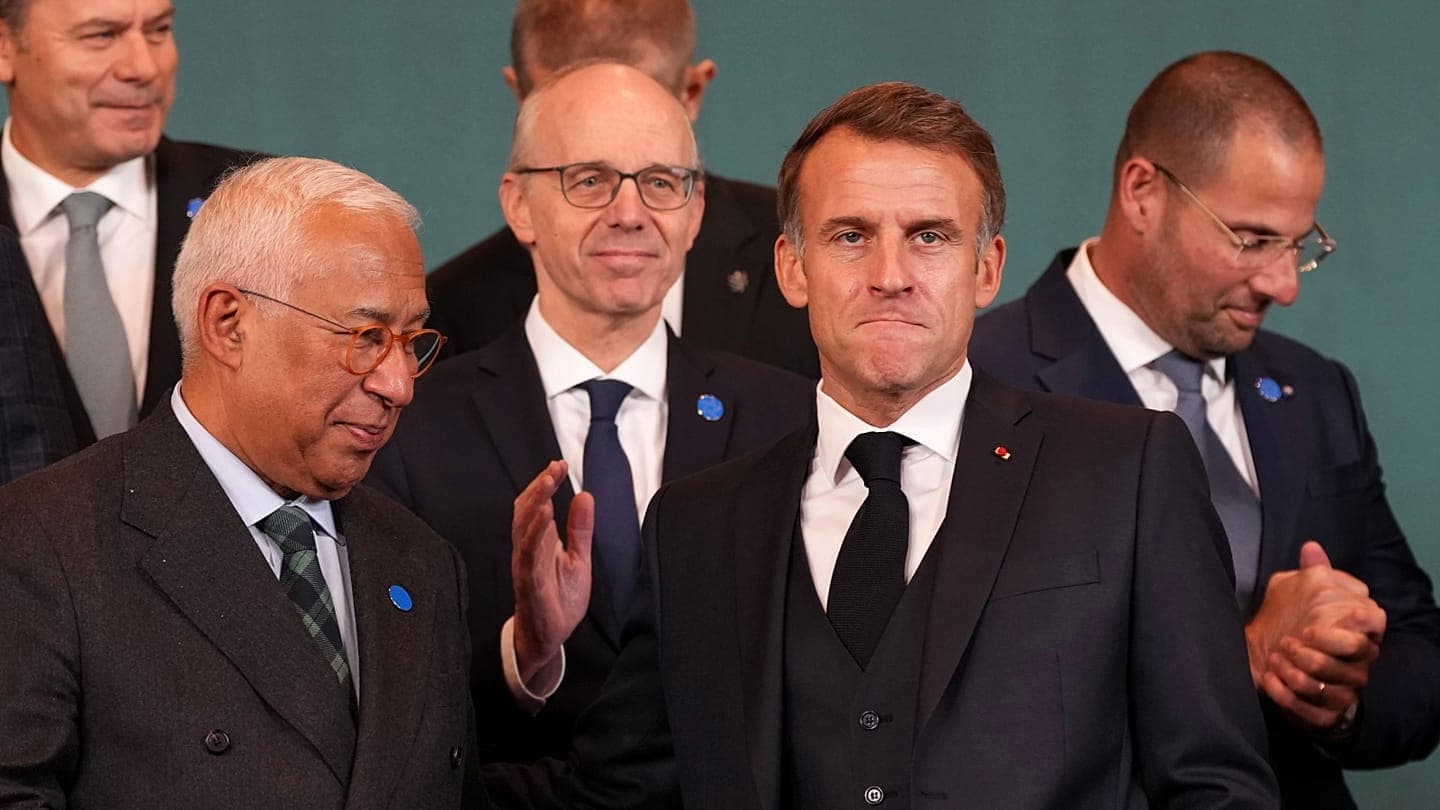
At an informal summit in Dublin on Friday, European Union leaders agreed on a joint team that will represent Europe in negotiations on ending Russia's war against Ukraine. It will include France, Germany, Italy, Poland and the United Kingdom (the United Kingdom is not an EU member but belongs to the E3 group), as well as the European Council, the European Commission and NATO. Euronews reports this.
The dispute over the special envoy and Kallas's position
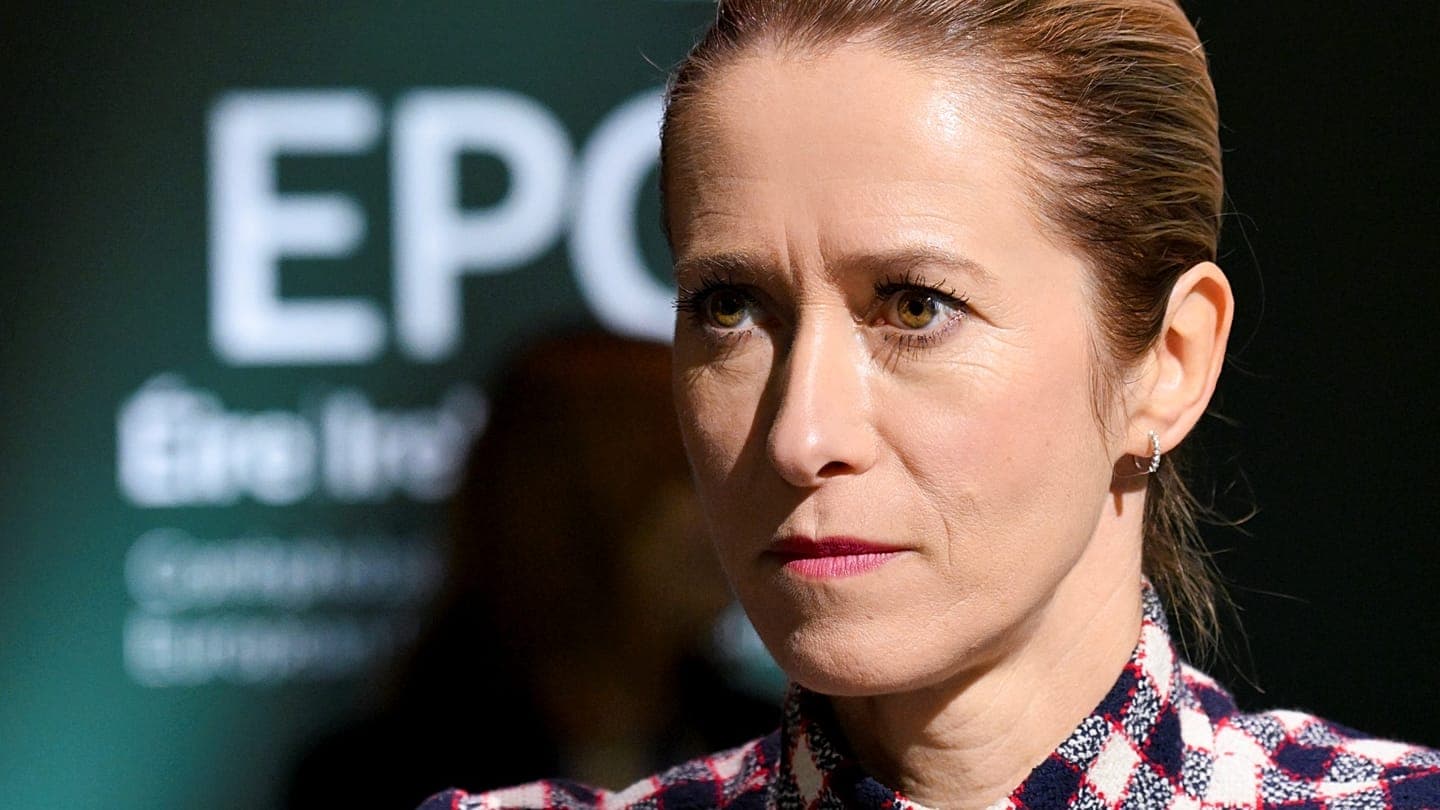
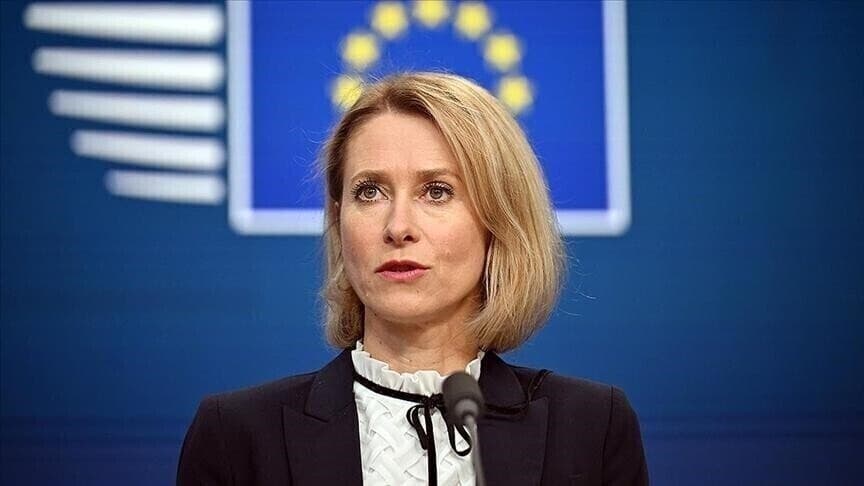
The appointment of a single special envoy was the main topic of the summit: Ukraine, the United States and even Russia had backed the idea, and ahead of the meeting Italian Prime Minister Giorgia Meloni criticized the 'cacophony' of voices in the peace process. Instead, however, the leaders expanded the existing negotiating group by adding Italy and Poland — Warsaw had previously warned against Western European countries making decisions on behalf of the East. As a result, the post of special envoy, which the EU's chief diplomat Kaja Kallas had publicly sought, was left unestablished. On Friday morning she argued that representing the bloc in foreign policy falls within her mandate, citing the leaders' decision of June 2024, and acknowledged that 'the Russians don't want me' because of her 'hardline' stance. European Council President António Costa objected, pointing to the EU treaties: it is the President of the European Council who must represent the union at the level of heads of state and government. European Commission President Ursula von der Leyen also did not back Kallas, saying: 'We decide who represents us, and today we did so.'
What has already happened at the table and what remains unclear
Friday's decision largely formalizes the format set by the United States, which acts as mediator: recent rounds of talks in Miami, Oslo, Brussels and Abu Dhabi included the E3, EU institutions and NATO. Italy took part in the meeting in Abu Dhabi, and Poland is expected to join the next round. German Chancellor Friedrich Merz in Dublin called the E3 format 'highly effective' and said he saw no need for institutional debates. The key open question is whether Russia, which has repeatedly refused to sit at the same table with Europeans, will agree to direct talks with them. US special envoys Steve Witkoff and Jared Kushner traveled to Moscow on Thursday to persuade Vladimir Putin; after the meeting they said Moscow had signaled readiness for personal contacts with Europeans, but the Kremlin reacted skeptically to these reports, leaving the very possibility of such a meeting in question.