The key facts
- The informal EU summit in Dublin was the first dedicated to AI, but the agenda was seized by a dispute over a single EU representative in Ukraine talks
- Costa offered himself for the role, backed by Luxembourg; Kallas cites the 2024 agreements, Merz defends the E3 format
- Meloni demanded a clear mandate, criticising the multiplicity of EU formats in the talks
An Agenda Seized by Ukraine
On Friday, the leaders of the European Union countries are gathering in Dublin for an informal summit, which European Council President António Costa has for the first time dedicated to artificial intelligence. The informal format was chosen deliberately: without final political statements, heads of state can speak more openly. However, the AI discussion, as an unnamed EU official admitted, was under threat — the agenda is being 'overloaded by current events'.
Who Speaks for Europe
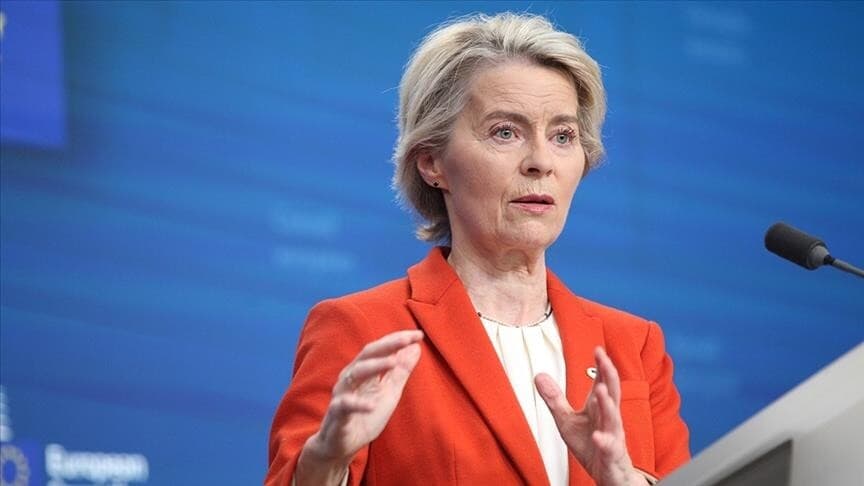
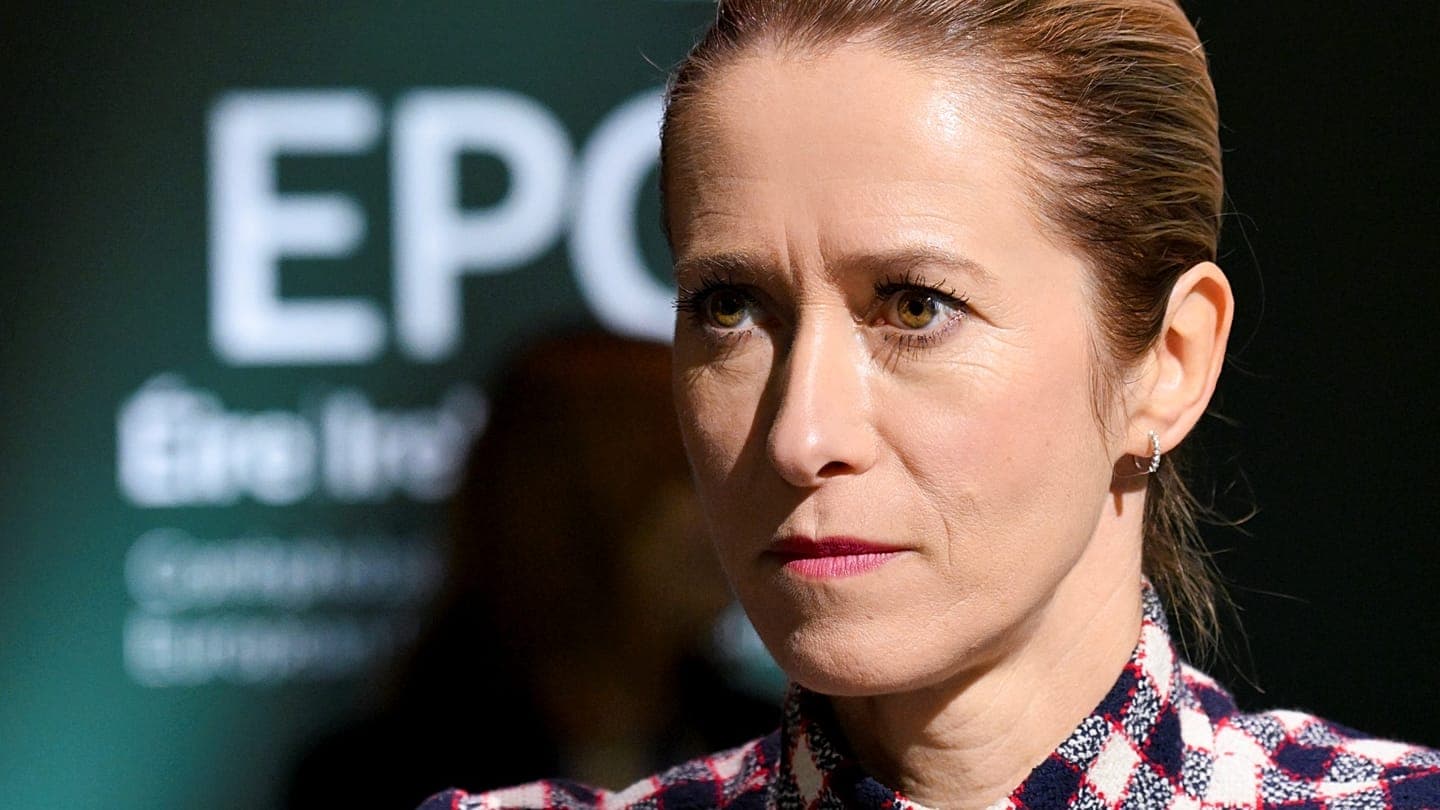
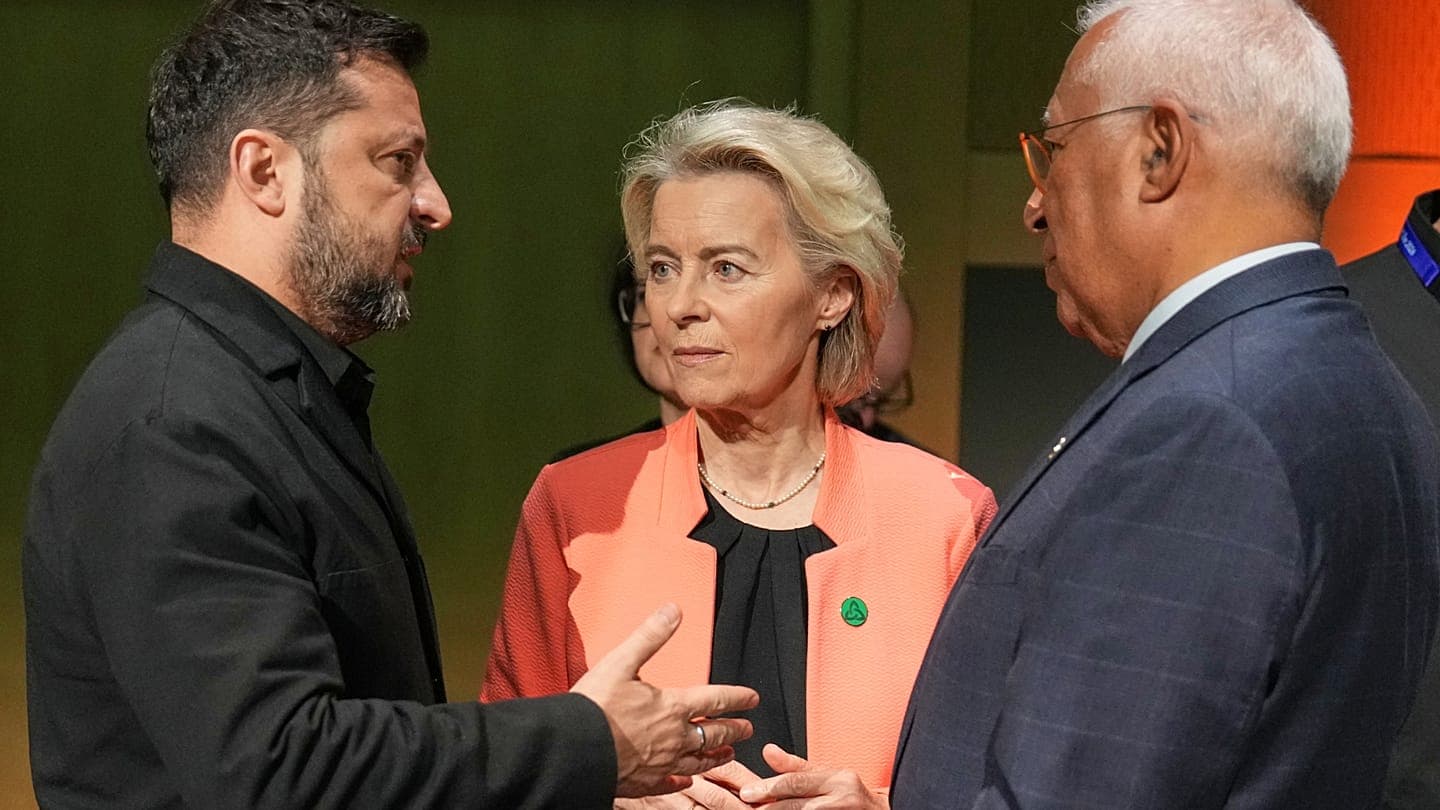
The Ukrainian issue made it onto the agenda after a letter from Italian Prime Minister Giorgia Meloni to Costa: she warned that the multitude of formats for EU participation in the talks makes the union 'less convincing' and demanded a clear mandate for participation in the negotiations. Costa agreed to add the item and, judging by his words that the EU's interests 'must be represented by its institutions in accordance with the treaties', effectively offered himself for the role. Luxembourg's Prime Minister Luc Frieden called Costa the natural choice: 'We elected him. He is the President of the European Council.' The EU's High Representative for Foreign Affairs Kaja Kallas believes the treaties unambiguously assign European security matters to her and Costa, and urges adherence to the 2024 agreements on the distribution of top posts.
Different Approaches and a Hard Deadline
The issue is sharpened by the fact that Ukrainian President Volodymyr Zelensky has called on Europeans to decide on a representative by the end of the month. Danish Prime Minister Mette Frederiksen stressed that for her, the content of the talks and Europe's unity matter most. She and Swedish Prime Minister Ulf Kristersson previously criticised the leaders of Norway and Finland for holding direct talks with Vladimir Putin without prior consultations. German Chancellor Friedrich Merz, by contrast, defends the E3 format — Germany, France and the United Kingdom, which are committed to providing security guarantees for any peace agreement with Russia — noting that the trio is also working with Poland and Italy. Merz may also raise the financing of Ukrainian military support: Costa invited him to the discussion after the chancellor openly threatened to veto the EU budget deal without a unanimous decision on this matter. The financing of Ukraine and the EU budget will be the main topic of a special summit on 26–27 November.
Artificial Intelligence: Competitiveness and Risks
The AI discussion is divided into two parts. The first is devoted to Europe's competitiveness and sovereignty: among the invited guests is Arthur Mensch, CEO of the French startup Mistral AI, whose company competes with American giants in the field of large language models. Since the development of the most advanced AI technologies is largely dominated by US and Chinese companies, the EU is promoting rules under which public contracts in sensitive sectors will go only to European companies. In the second part, Nobel laureate Geoffrey Hinton, one of the most prominent figures warning about the existential risks of AI, will address the leaders: he estimates the probability that AI, escaping human control, could lead to the extinction of humanity at 10–20%. According to the EU official, the invited guests should help the leaders develop a common understanding of how to tackle these challenges.