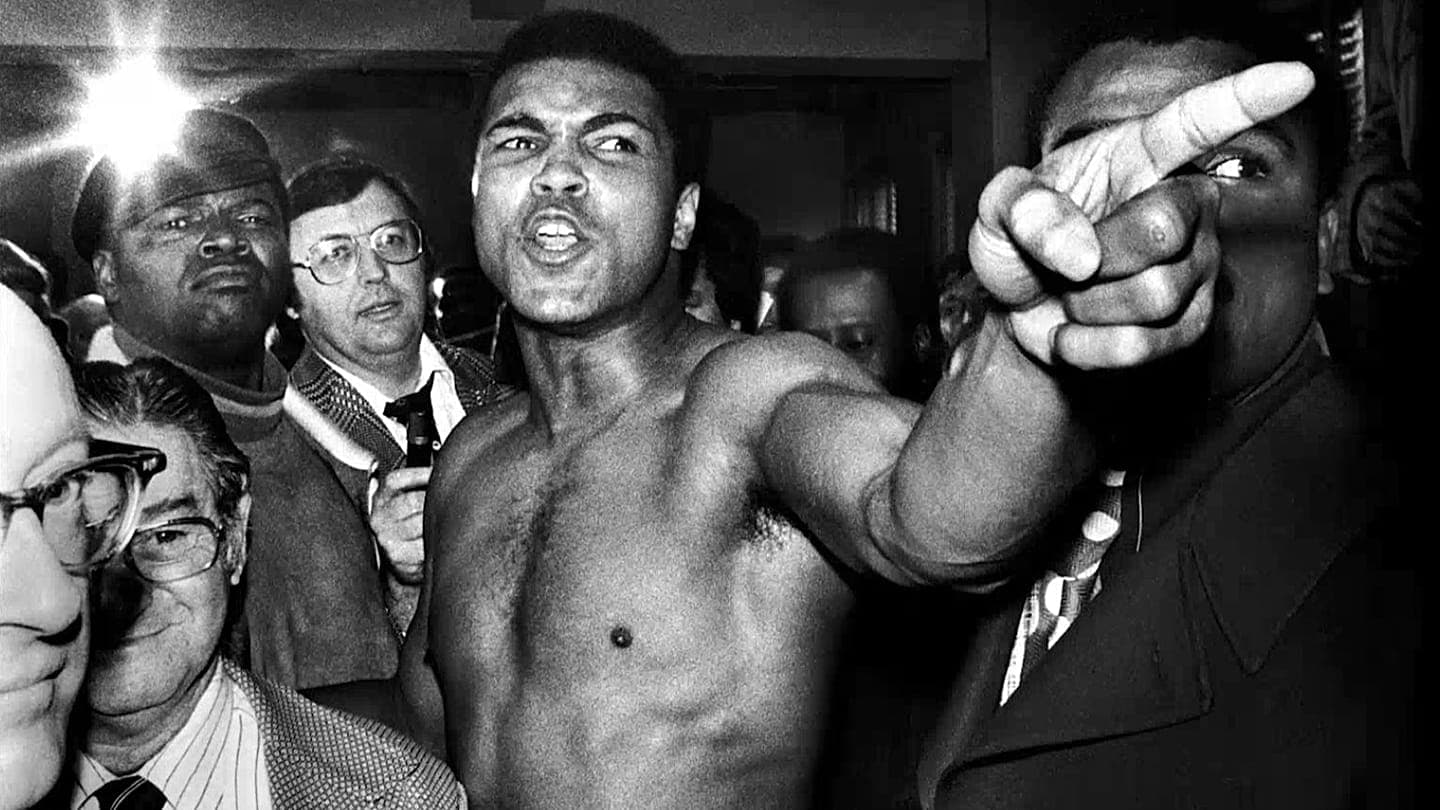
The key facts
- Laffont arrived in New York in April 1964 with no money and found the city 'in ruins,' on the brink of bankruptcy
- Laffont arrived in New York in April 1964 with no money and found the city 'in ruins', on the brink of bankruptcy
- He believes the youth protested not so much against the Vietnam War as against the injustice of the draft lottery
- He believes young people protested not so much against the Vietnam War as against the injustice of the draft lottery
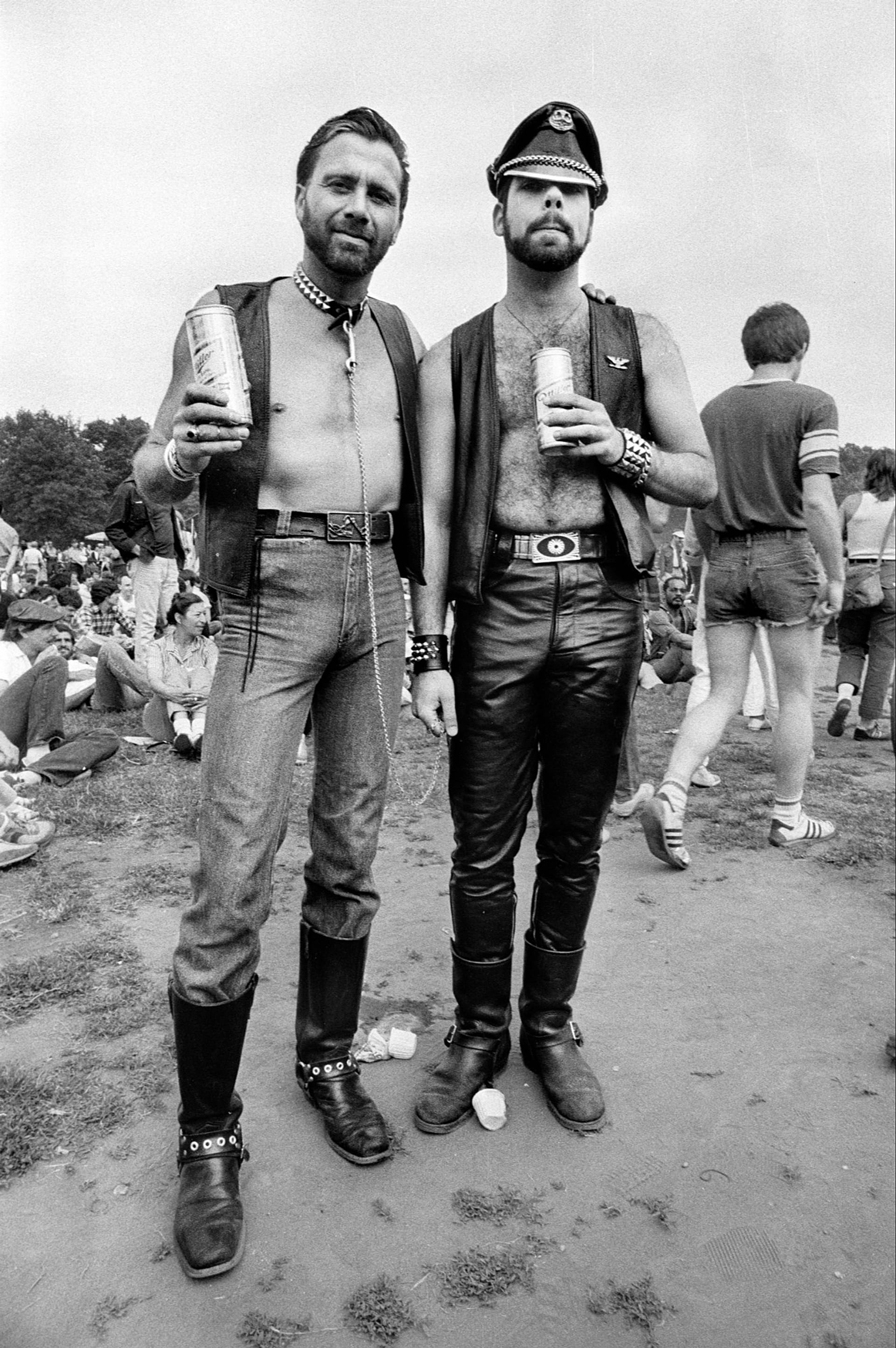
- He calls the first Gay Pride in June 1970 'a joyful rebellion'; ten years later he photographed the movement in San Francisco
A city on the brink of bankruptcy
French photographer Jean-Pierre Laffont arrived in New York in April 1964 — by his own account, without money to go anywhere else — and found a city where 'everything was in ruins,' where it was dirty and dangerous to walk the streets at night. He spoke about this in a long interview with Euronews' European Lens programme, reflecting on the decades he devoted to documenting America through the eyes of an outside observer. As he recalls, going out with cameras around his neck on the West Side meant risking yourself, and the city itself was on the brink of bankruptcy.
Protest against the draft, not against the war
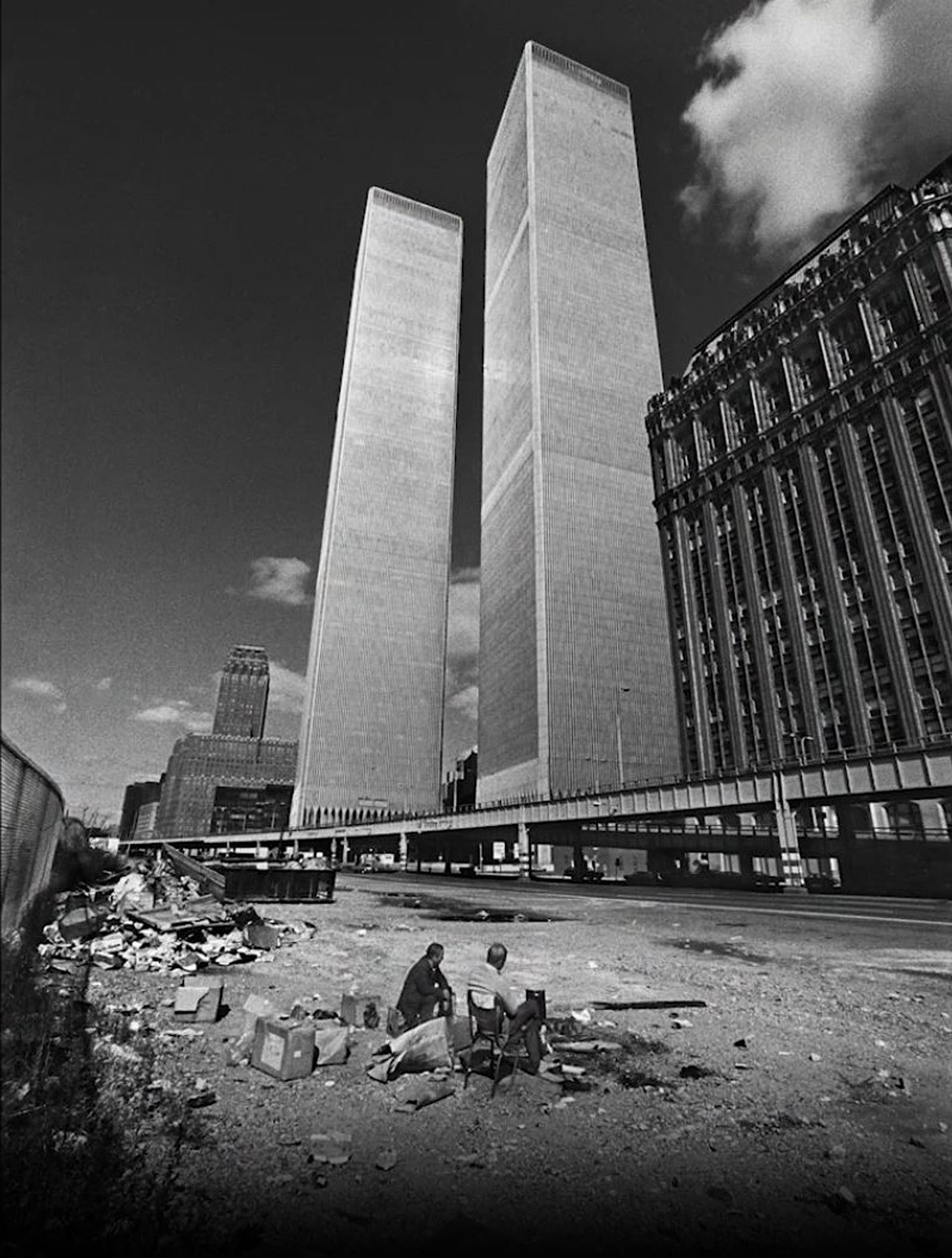
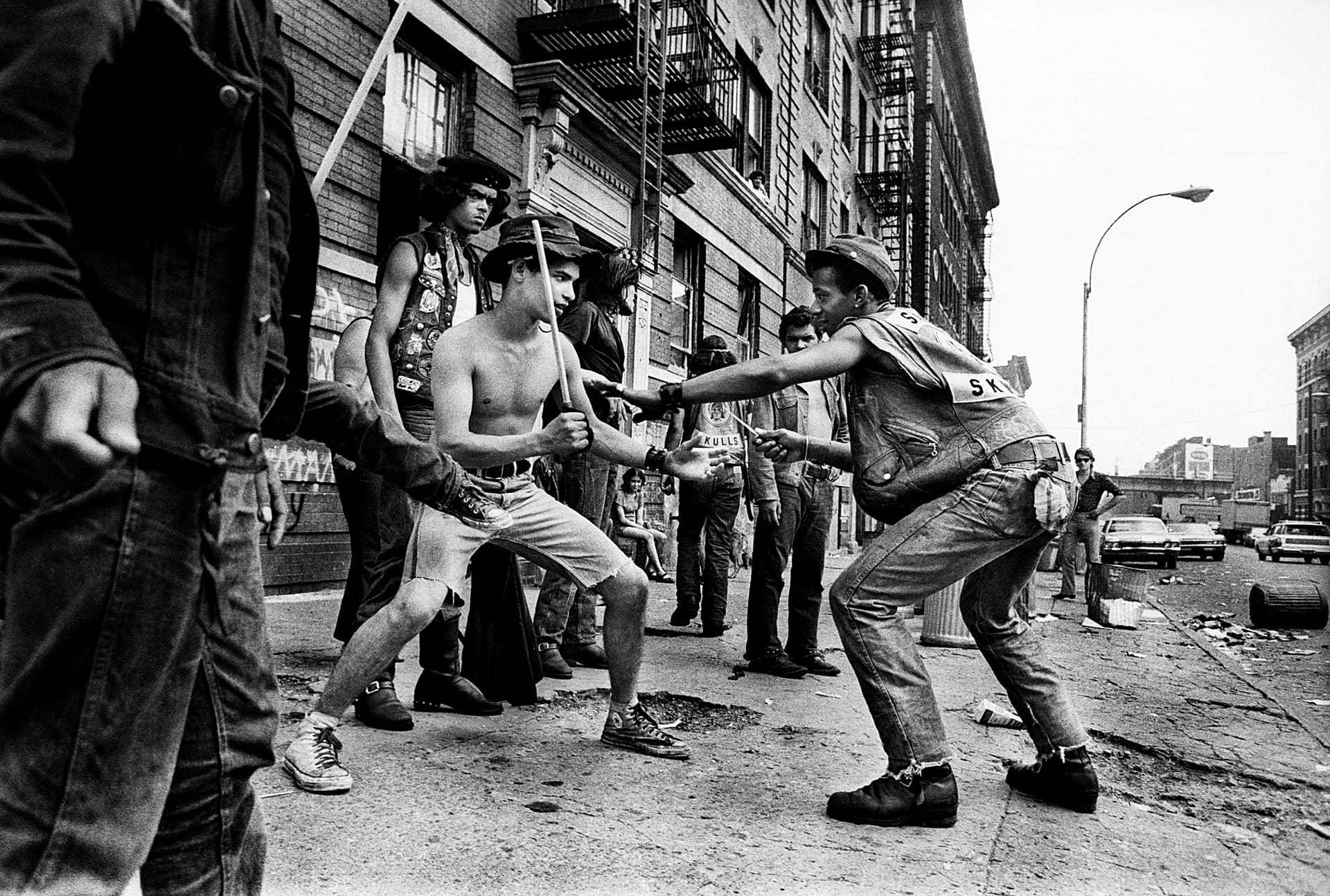
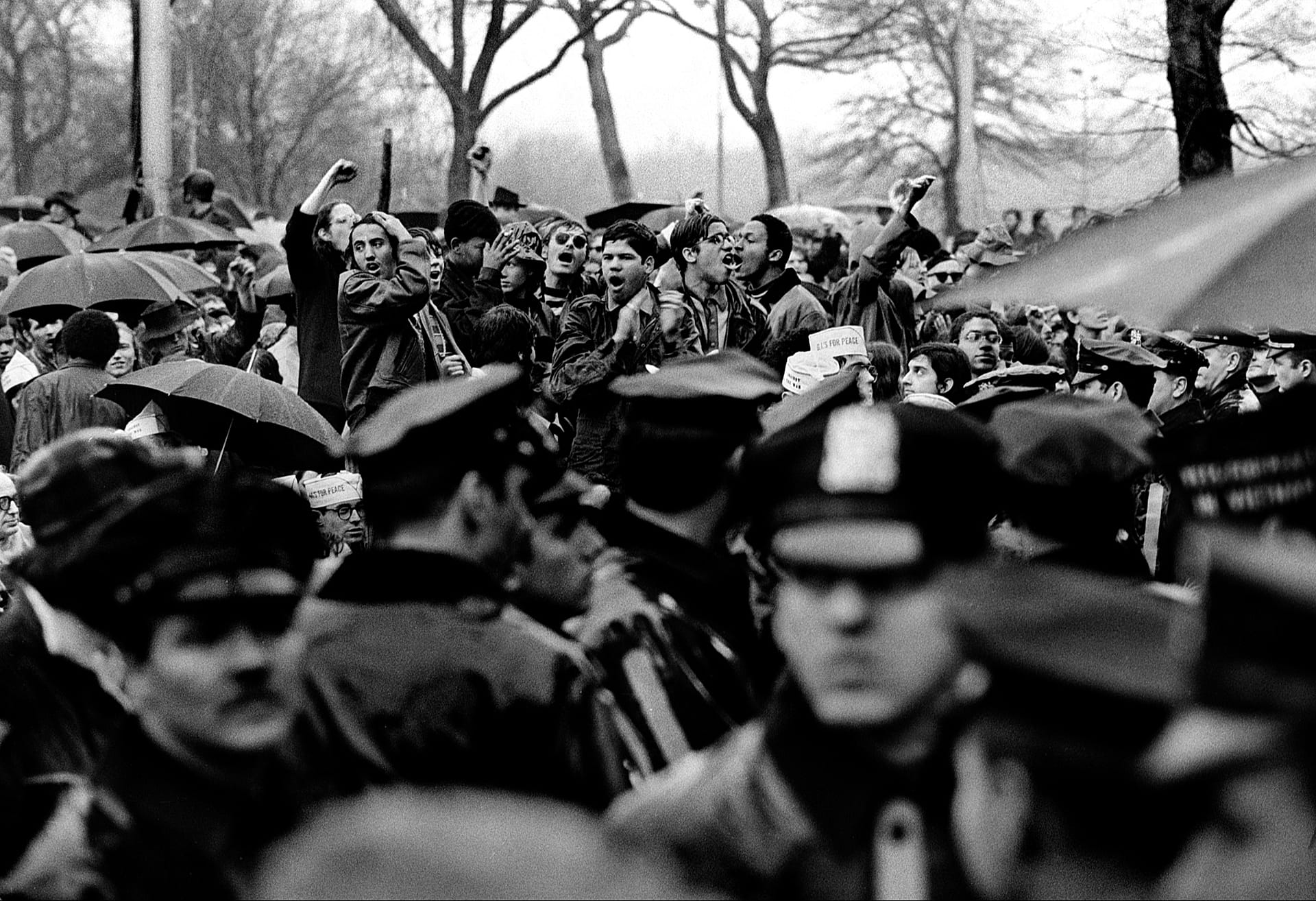
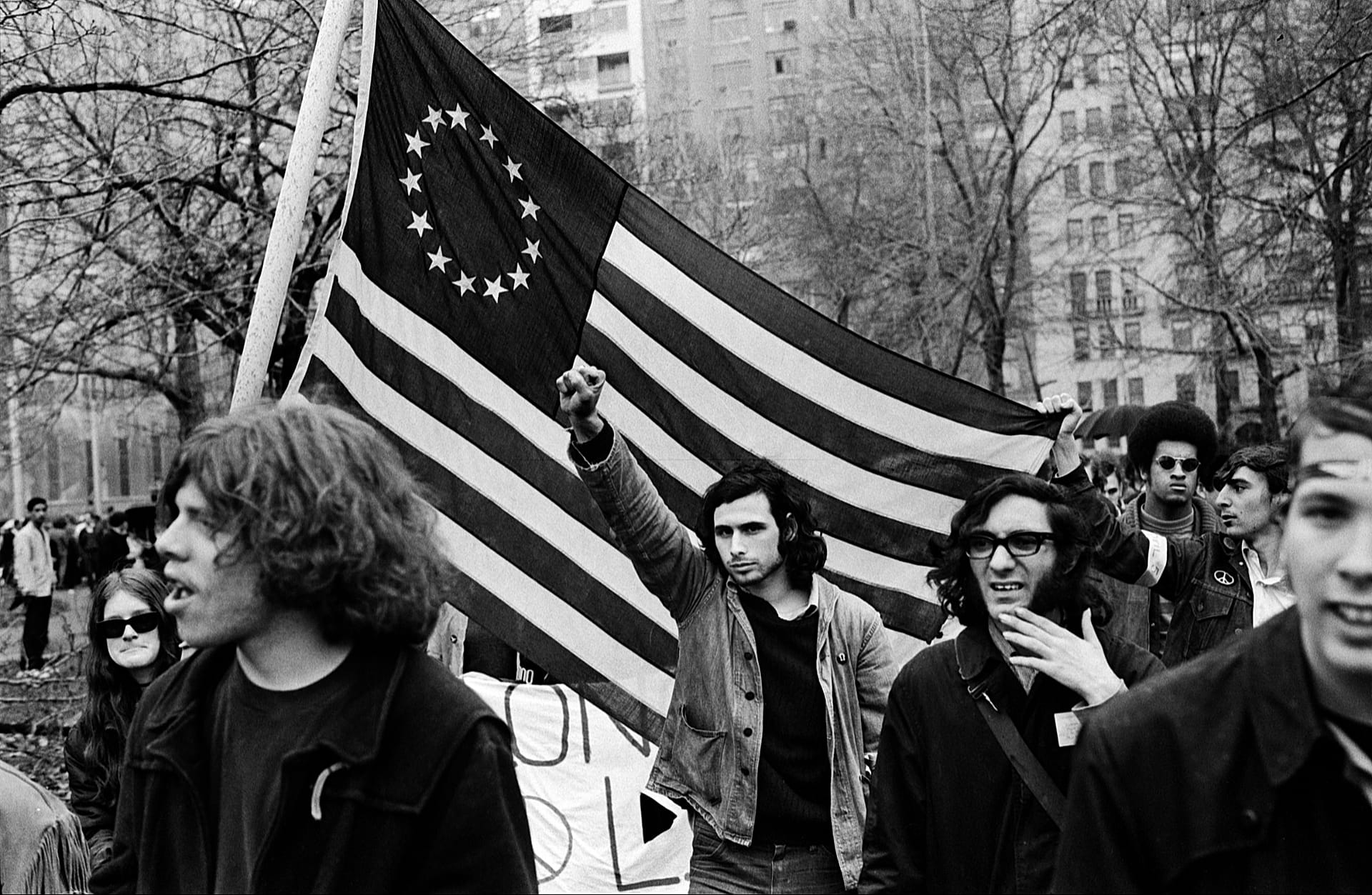
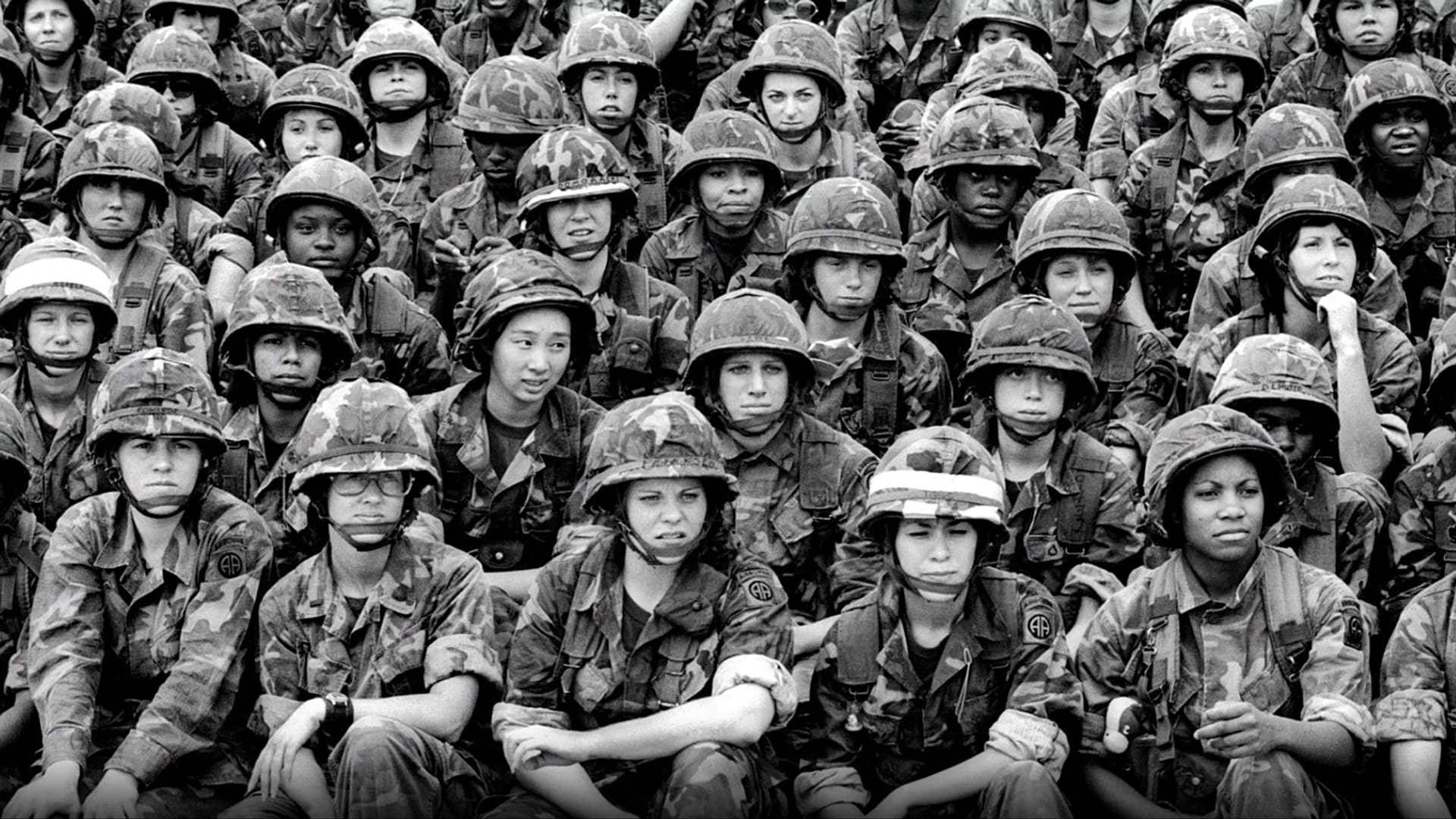
Laffont photographed anti-war marches in Central Park, the Savage Skulls street gang, the construction of the World Trade Center and life in Brooklyn's ghettos. An important detail of his observations: the young people on the streets, he says, were not necessarily against the Vietnam War — 'it was not their war,' one they did not understand. He sees the essence of the protest in the injustice of the draft: the US then had a lottery system, where some could continue their university studies while others, 'having drawn the short straw,' were forced to go. Moreover, around 1971–1972, the photographer notes, many young Black Americans were sent to war, assigned specifically to combat units — and this too became an obvious injustice.
'A joyful rebellion' and San Francisco
Movements that began in New York often ended in Washington, where Laffont himself also travelled. One of his most vivid memories is the first Gay Pride in June 1970, whose status he did not even know at the time: participants came to Central Park, kissing and dancing. The photographer calls it 'a joyful rebellion' — not a revolution, but a rebellion against the existing system. Ten years later he photographed the tenth march, this time in San Francisco, where, as he describes it, a cohesive gay community had taken shape, with a mayor, doctors, mechanics, restaurants, lawyers and architects working mostly with their own. It is precisely these roots of the movements, Euronews emphasises, that help understand the divisions that continue to shape the United States today.
A witness, not a manipulator
Another topic of the conversation is the future of photography. Laffont notes that today's young photographers are 'incredibly lucky': they do not need to reload cameras, count the remaining 36 frames or think about the flash, and the camera itself records the place and time of the shot. He himself went out on shoots with five cameras with long lenses, because there was no time to change them. He speaks frankly about his losses: hundreds of thousands of his photographs, handed over by agencies to clients and leading magazines, were never returned and may be kept in the archives of major publications. The photographer is wary of artificial intelligence, admitting he is still not sufficiently familiar with it, but from his generation comes a principle: retouching a negative was unthinkable — it was a witness to its time, and he never manipulated his photographs. 'Photography always says more than film, more than television,' he is convinced, adding that a still image is remembered better than a moving one and that witnesses will always be needed. The book 'Rebels with a Cause' is published by Damiani Books and is already available.