The key facts
- The first Eurovision Asia grand final will take place in Bangkok, starting at 20:30 local time
- Eleven countries are taking part: Thailand, Malaysia, the Philippines, Vietnam, Cambodia, Laos, South Korea, Mongolia, Bangladesh, Nepal and Bhutan
- Three weeks before the final, the budget was cut by about a million dollars, which drew criticism of the preparations
A contest talked about for two decades
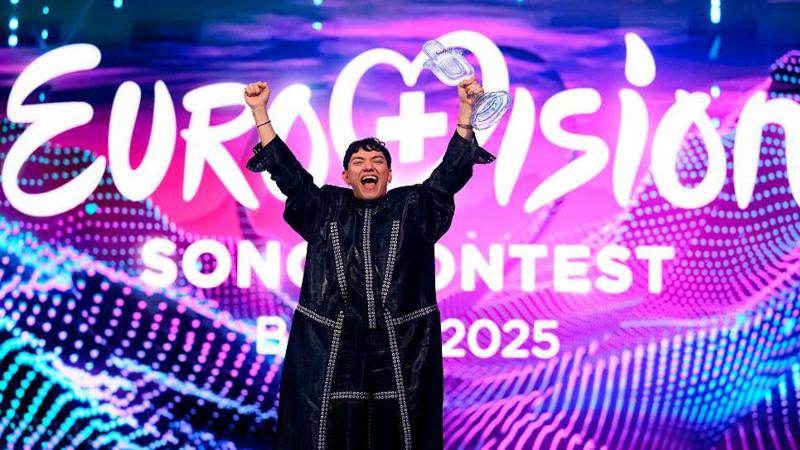
Eurovision, marking its 70th anniversary this year, is holding its Asian edition for the first time. The idea of Eurovision Asia was discussed for about twenty years but was never realised due to numerous failed attempts. The first grand final will take place in Bangkok, starting at 20:30 local time (13:30 GMT). The European Broadcasting Union decided to try out the Asian audience in the contest's anniversary year.
Who is taking part and who is not
Eleven countries are taking part in the first contest: host Thailand, as well as Malaysia, the Philippines, Vietnam, Cambodia, Laos, South Korea, Mongolia, Bangladesh, Nepal and Bhutan. The absence of Asian giants — India, China, Japan and Indonesia — is noticeable; according to available information, negotiations are under way about their participation in next year's contest, if it takes place.
Organisational problems
The preparations went with difficulties. Three weeks before the final, the budget was suddenly cut by about a million dollars (around 760 thousand pounds), as a result of which many technicians familiar with staging Eurovision were not invited to Thailand; a number of staff dismissals also occurred. Fans of the contest criticised the sound and lighting in rehearsal videos.
Voting under European rules
The winner will be determined according to the scheme familiar from Eurovision: 50% — audience voting, 50% — the national juries of the 11 participating countries plus a 12th category, 'the rest of the world'. Anyone may vote: after registration, eight votes are given, but you cannot vote for your own country, and the votes must be given to at least three participants. The votes are converted into points: the most popular song receives 12 points, the last — the famous 'nul points'. Political disagreements, for example between Thailand and Cambodia after their border conflict last year, may influence audience voting — such a possibility is allowed for by the correspondent who prepared the material about the contest.
Participants and features of the format
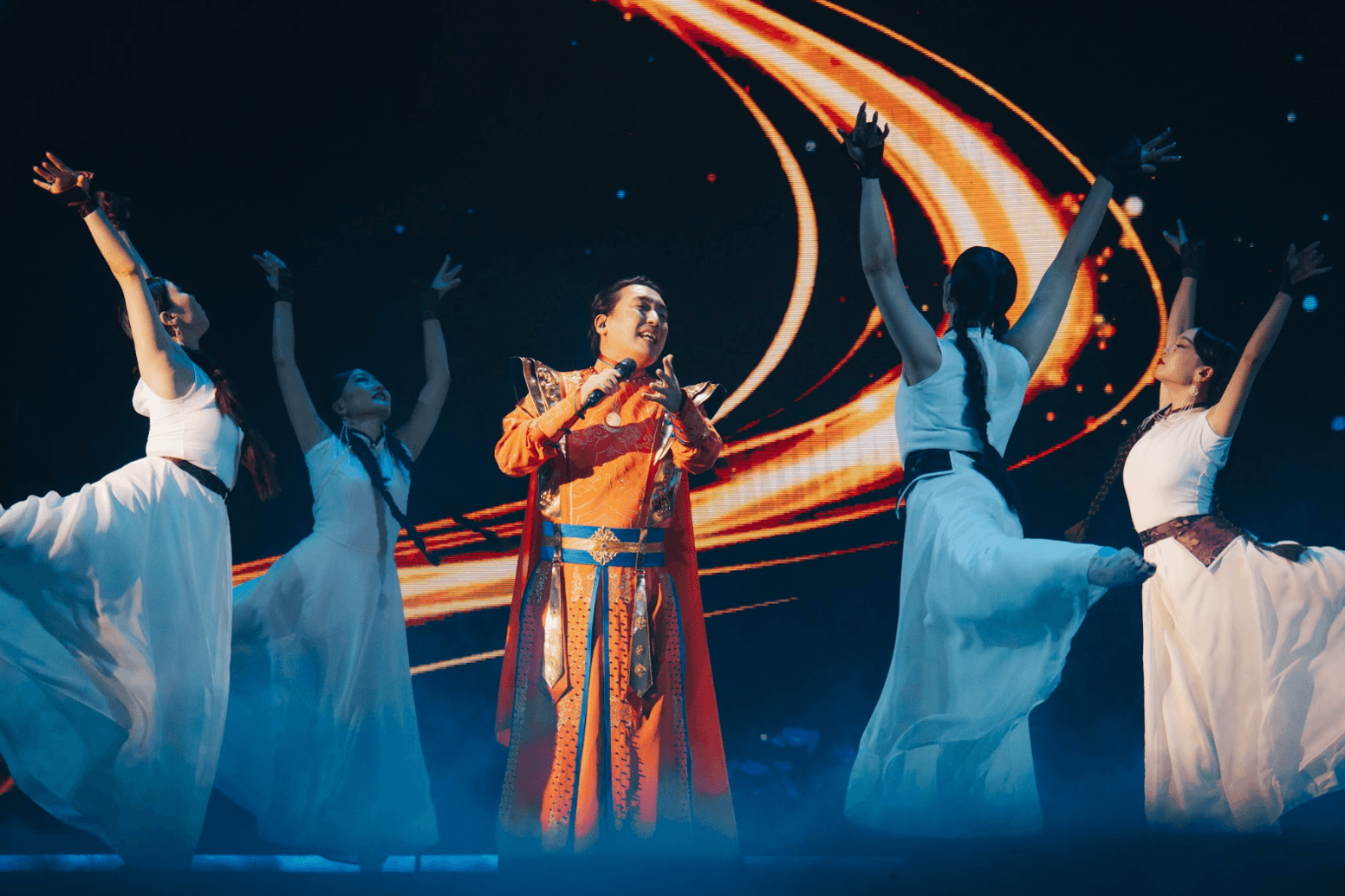
The contest's format preserves the classic rules: no more than three minutes, no more than six people on stage, and only a backing track without a live band. Among the participants are 24-year-old Tukten Nyendra from Bhutan with the song Lhayi Semo, who had never previously left his country or flown on a plane; the youngest participant is 19-year-old Carmelle Collado from the Philippines; Bangladesh is represented by the group Beatmosphere with an a cappella number with beatbox. The Vietnamese singer Thuc Tien is called the most ambitious in choreography, while the Lao singer Tinla replaced her stage costume with the clothing of the mountain peoples of Laos.
Familiar names instead of a star-making debut
In Europe, Eurovision was famous for bringing unknown artists to the world stage — from Abba to Celine Dion. But due to low awareness among the Asian audience, many finalists of the first contest are already well known in their home countries. The most famous participant is probably the Malaysian singer Aina Abdul, whose song Bluest Sky is considered one of the favourites; her dress by designer Melinda Looi, according to the singer, took 600 hours to make. Thailand is represented by the duo MANG x DAOU, previously the winner of the show Thailand's Chosen One. The organisers hope that, if held successfully, the contest will become the beginning of the expansion of the Eurovision brand into the region where half of the world's population lives.
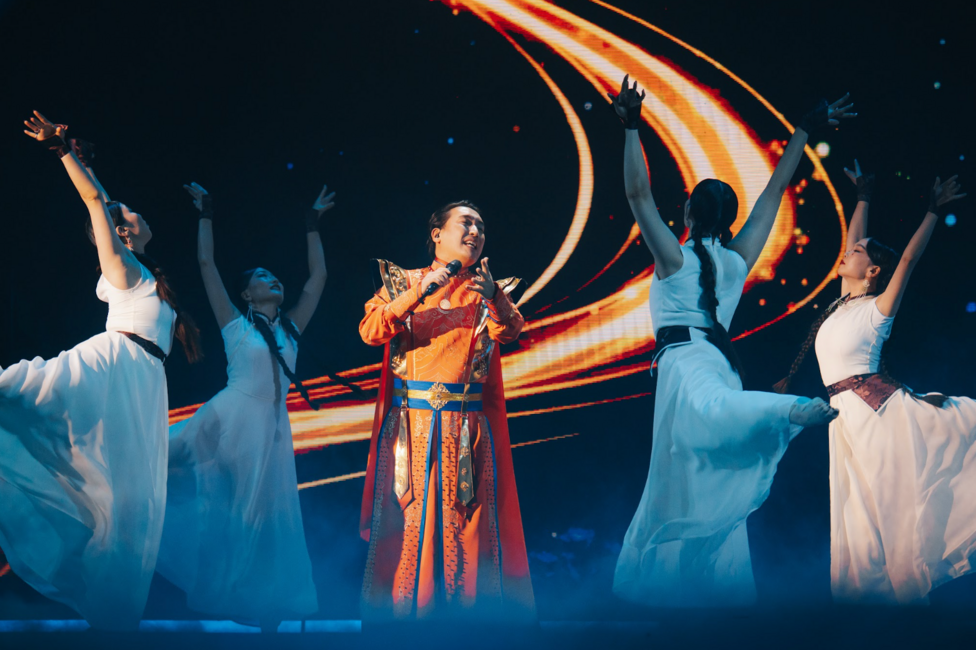 Image source, Eurovision Song Contest Asia
Mongolia's Beck debuted as a singer in 2007 and has since made his mark in acting, hosting, modelling and producing
MANG x DAOU have winning form, having previously been declared champions of the show Thailand's Chosen One
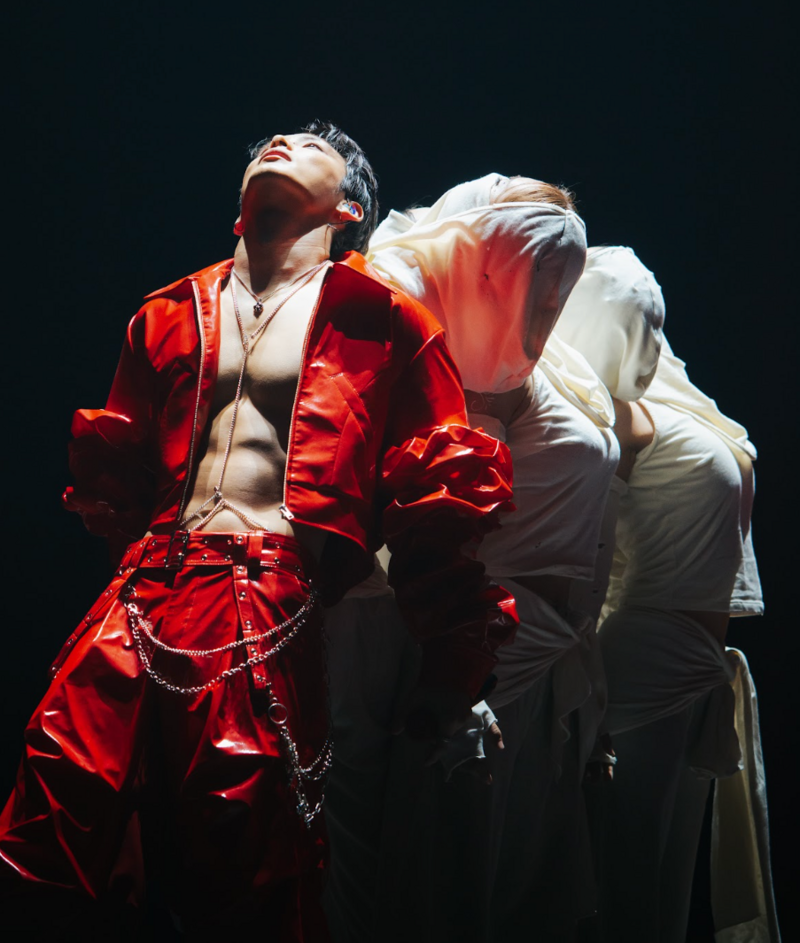 Image source, Eurovision Song Contest Asia
JUNHEE is a solo singer-songwriter from South Korea who produces bright, mainstream-sounding music
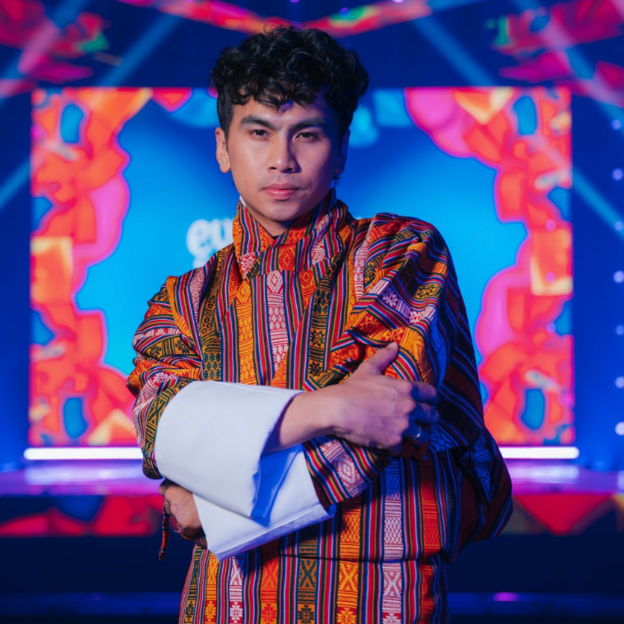 Image source, Eurovision Song Contest Asia
Nyendra, Bhutan's 24-year-old contestant, is also a journalism graduate
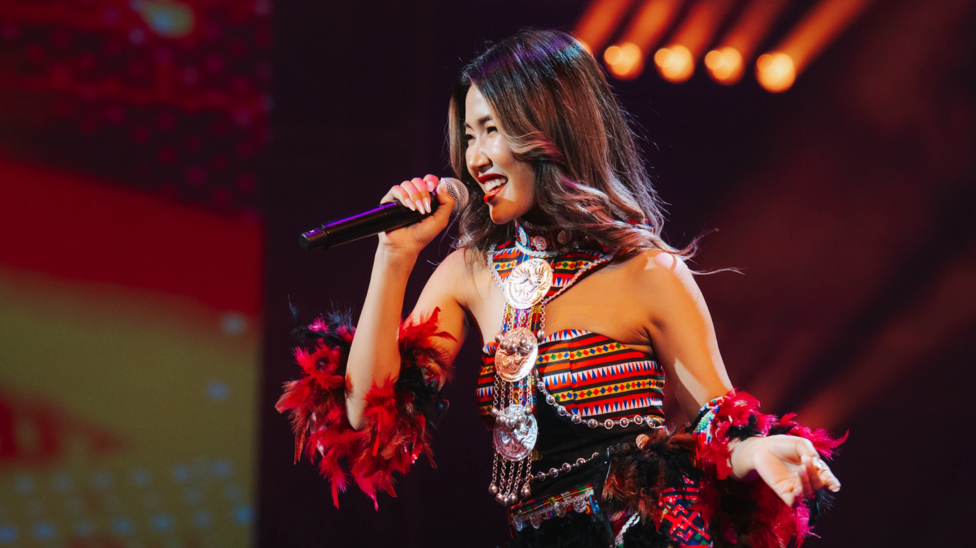 Image source, Eurovision Song Contest Asia
Thinla's music blends traditional Lao and contemporary genres, such as pop, R&B and dance
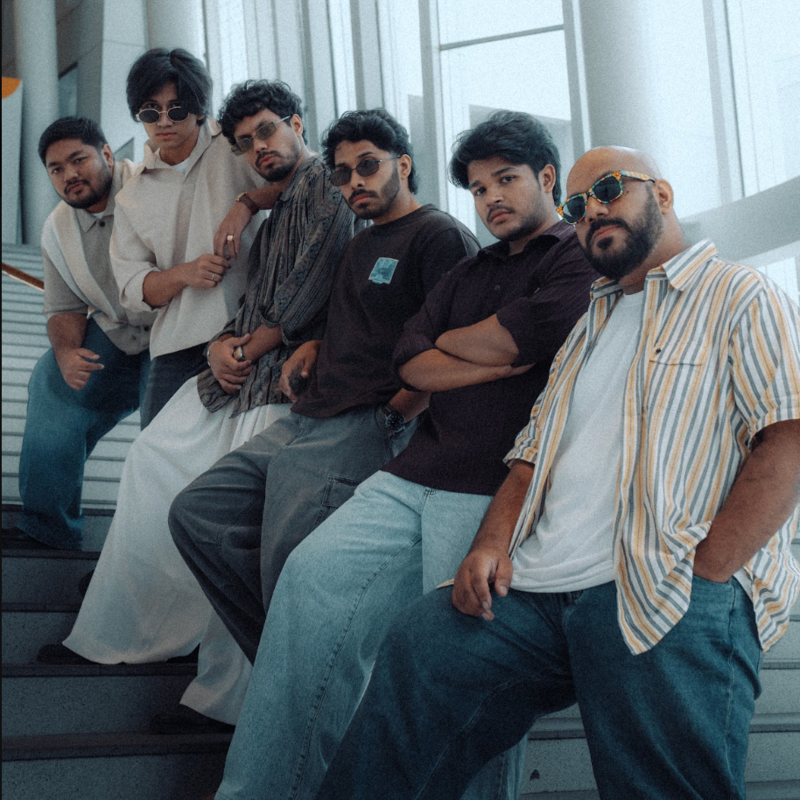 Image source, Eurovision Song Contest Asia
Bangladesh's Beatmosphere blend traditional vocal harmony with beatbox culture
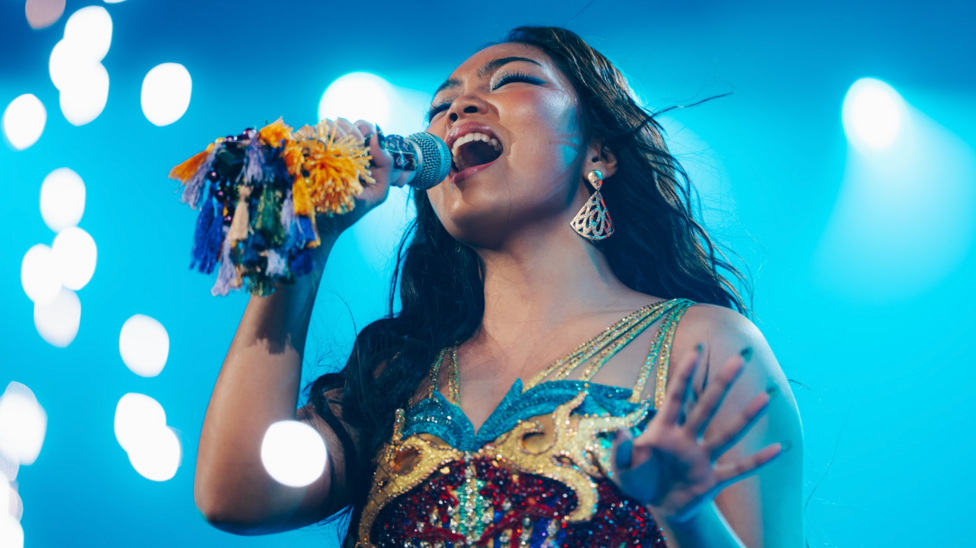 Image source, Eurovision Song Contest Asia
Carmelle Collado rose to prominence through a selection of televised singing competitions in the Philippines
Malaysia's Aina Abdul laughs as designer Melinda Looi adjusts her dress before a media shoot