The key facts
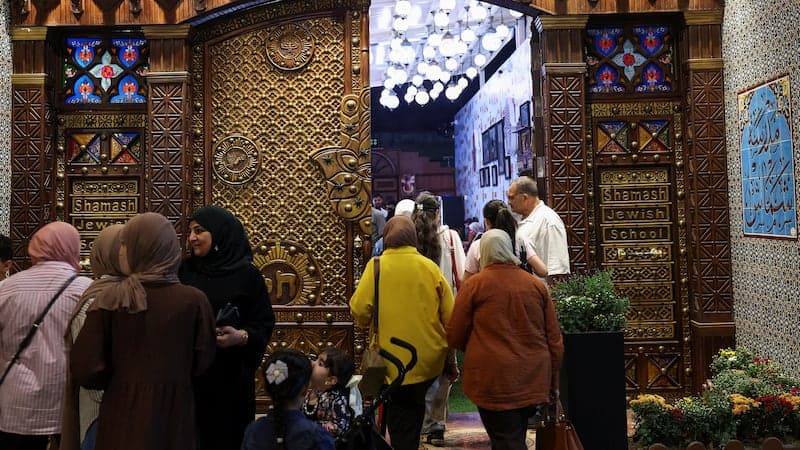
- The museum is housed in the building of the Shamash school, founded in 1928, and is open three days a week
- In 1947, Iraq's Jewish community numbered about 150,000 people; today only a handful remain in Baghdad
- Curators insist the project is funded exclusively from the community's own resources and operates under state oversight
A Museum in a 1928 School Building
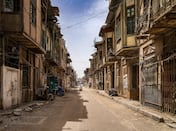
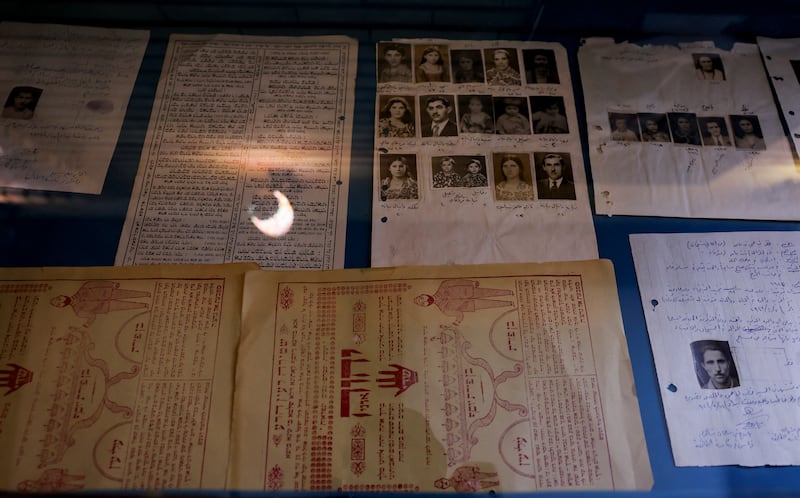
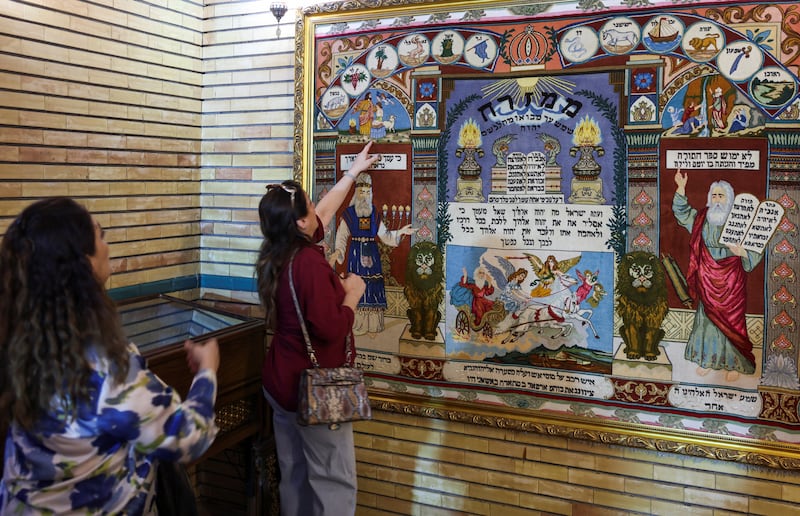
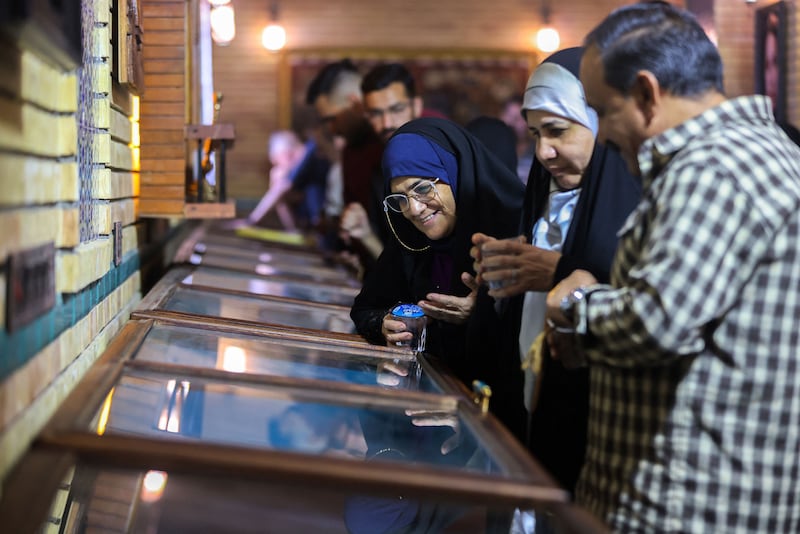
Iraq's first Jewish museum — Shamash — has opened in Baghdad on the bustling commercial Al-Rashid Street. It is housed in the building of a former Jewish school founded in 1928 by the philanthropist Yaquob Shlomo Shamash, and is open to visitors three days a week; dozens of Iraqis visit the museum every month. The display cases contain original and reproduced documents: school certificates, handwritten letters, identity cards, marriage contracts, family photographs. On the walls are portraits, including that of Sasson Heskel (1860–1932), an Iraqi-Jewish statesman and the first finance minister of the Kingdom of Iraq, as well as a seven-branched menorah. The museum was opened by the Jewish Endowment, overseen by the lawyer Ammar Al-Tamimi, who asserts that all of the endowment's funds are held in the state-owned Al-Rafidain Bank, that the state knows about every thousand dinars in the account, and that the administration is independent and not tied to any external forces.
A Debate Over Meaning and Timing
The opening has sparked a wide discussion in Iraqi society. Supporters believe that Iraq cannot be whole without recognizing a community that once made up a fifth of Baghdad's population and took part in building the modern state. Skeptics counter that no cultural project exists in a vacuum, and that the very timing of the opening — against the backdrop of the war in Gaza and ongoing confrontations with Israel in the region — makes it hard to read as a neutral gesture. An 83-year-old former employee of the ministry of trade, who visited the museum twice, acknowledged that Jews are part of Iraqi society and that 'it is impossible to deny their rights and their role in building Iraq in its modern history,' but at the same time warned that the opening could herald steps toward establishing relations with Israel, which are currently banned under Iraqi law: 'Is this the right time for such a step? No one can be trusted with Israel right now.' The 24-year-old student Murtada Issa, by contrast, called the opening 'the healing of a wound in Iraqi society': 'Our problem was and remains with Zionism and the usurping entity [Israel], not with Judaism,' he said, expressing hope for the return of the Jewish community.
A History That Explains the Sharpness of the Debate
The sensitivity of the topic is explained by the community's history. The Jewish presence in Mesopotamia dates back to the Babylonian captivity of the 6th century BCE; in 1947, the Iraqi community numbered about 150,000 people and was one of the largest in the Middle East. After the Farhud of 1941 — a pogrom in which crowds killed dozens of Jews — and the establishment of the State of Israel in 1948, pressure on the community intensified: in 1950–1952, about 125,000 people were airlifted to Israel, and their property was looted or destroyed. Today, according to the endowment, only a few Jews live quietly in Baghdad for security reasons, and in the Kurdistan Region there are about 90 Jews of Kurdish origin; many synagogues have been turned into warehouses or destroyed. The Shamash school itself was requisitioned by the state in the 1970s and returned to the community by a court decision in 1992, while attempts to revive it were thwarted by the sanctions of the 1990s, the 2003 invasion, the intercommunal strife of 2006–2007, and the emergence of ISIS in 2014–2017. The community leader who spearheaded the restoration, the 64-year-old Baghdad dentist Khalida Fuad Eliyahu, according to Al-Tamimi, wants to restore other memorial sites as well; the museum also pays tribute to the singer Salima Murad, who performed the traditional Iraqi maqam, and to the physician Dhafer Fuad Eliyahu, the community leader's brother, known for providing free medical care to the residents of Baghdad.