The key facts
- CAP banned advertising claims about the safety of tanning beds and their therapeutic effects; the deadline for bringing ads into compliance is 7 December 2026
- Earlier, the ASA had already banned five adverts claiming tanning beds help with osteoporosis and depression
- According to WHO data, using a tanning bed before the age of 35 raises the risk of melanoma by 59%
What has changed
The Committee of Advertising Practice (CAP), which writes the UK's advertising rules, has sent an enforcement notice across the country addressed to the tanning industry. Companies can no longer claim that tanning beds are safe, downplay the associated risks, promote them as a source of vitamin D, or attribute healing properties to them. CAP compliance officer James Burnett stressed: 'Tanning beds carry serious health risks, including an increased risk of skin cancer. Advertising must not downplay these risks or present the use of a tanning bed as a way to improve health.' Advertisers have been given until 7 December 2026 to bring their marketing claims into line with the rules; to detect violations, CAP will use an AI-based monitoring system and 'take further action where necessary.'
Background and complaints about advertising
The tightening was prompted by hundreds of videos on social media identified by the BBC earlier this year, in which it was claimed that tanning beds could boost energy levels, treat skin conditions, or help with mental health problems. CAP listed a number of misleading claims in tanning advertising — from relieving eczema symptoms to improving brain function, reducing inflammation and improving blood circulation. In the committee's view, such claims are potentially harmful and could discourage customers from seeking proper medical care. Earlier this year, the Advertising Standards Authority (ASA), which enforces the CAP code, had already banned five adverts in which tanning beds were offered as a remedy for osteoporosis and depression.
Scale of the problem and the industry's position
The risks highlighted by cancer organisations and doctors are especially relevant for young people: according to a 2025 YouGov survey, about one in seven Britons aged 18–24 had used a tanning bed in the past year — twice as often as the average across all age groups. According to a World Health Organization estimate, using a tanning bed before the age of 35 increases the risk of melanoma later in life by 59%. Rosie Varr, medical information manager at Teenage Cancer Trust, noted that skin cancer is one of the most common forms of cancer among young adults, and backed stricter enforcement of advertising rules, advising young people to rely on trusted sources such as the NHS and charities. The Sunbed Association, representing about half of the UK's tanning salons, said it fully supports the fight against misleading advertising. Its chairman Gary Lipman explained that there is a huge difference between 'claiming there is no risk' and 'explaining that the business operates responsibly,' and that he had worked with CAP so that the code would not prevent association members from talking about their regulatory compliance. According to him, association members train staff to turn away customers with very fair skin, and under internal rules no one person can be sold more than 60 sessions a year. The use of tanning beds is legal and regulated in all parts of the UK: there are limits on UV radiation power and a ban for people under 18.
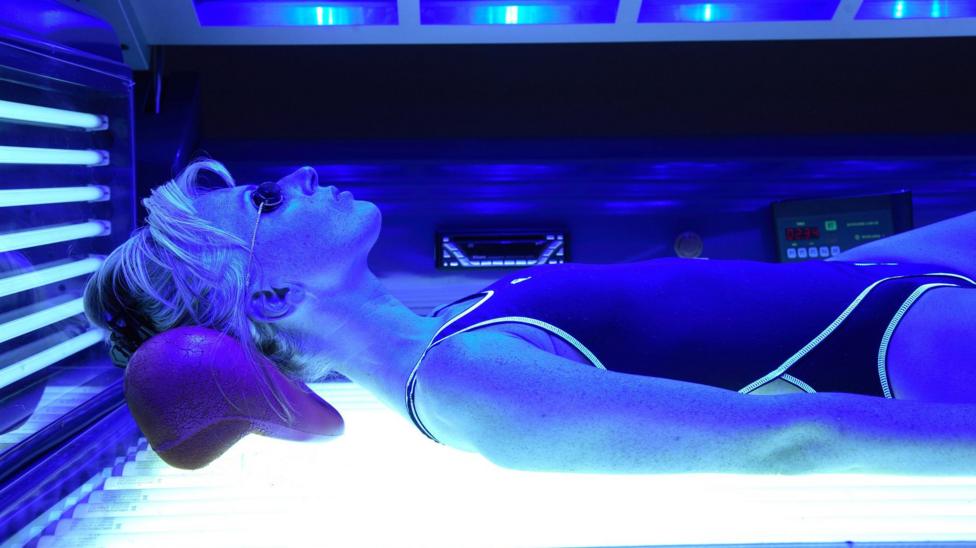 Image source, Getty Images
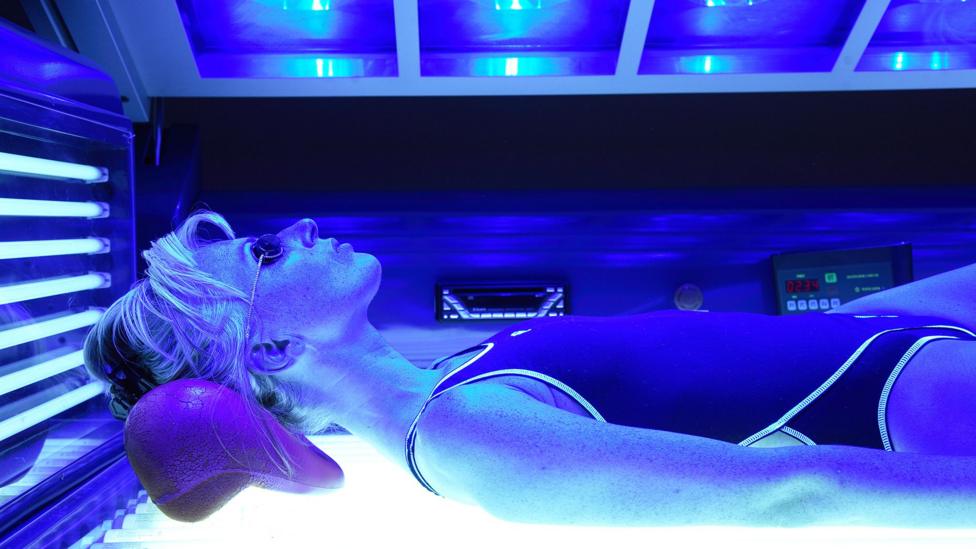
Cancer charities and doctors say sunbeds are linked to higher rates of melanoma and other skin cancers
 Image source, Getty Images
The wider health and beauty sector in the UK is estimated to generate sales of £6.1bn a year, according to market researchers Whito