The key facts
- The Milburn review is expected to propose removing under-25s' entitlement to the health top-up in universal credit and to Pip
- In return, the basic rate of universal credit is proposed, along with an 'additional costs top-up' and an enhanced benefit for those unable to work
- According to the ONS, almost a million young people in Britain are Neet, 3% more than a year earlier
What changes are proposed
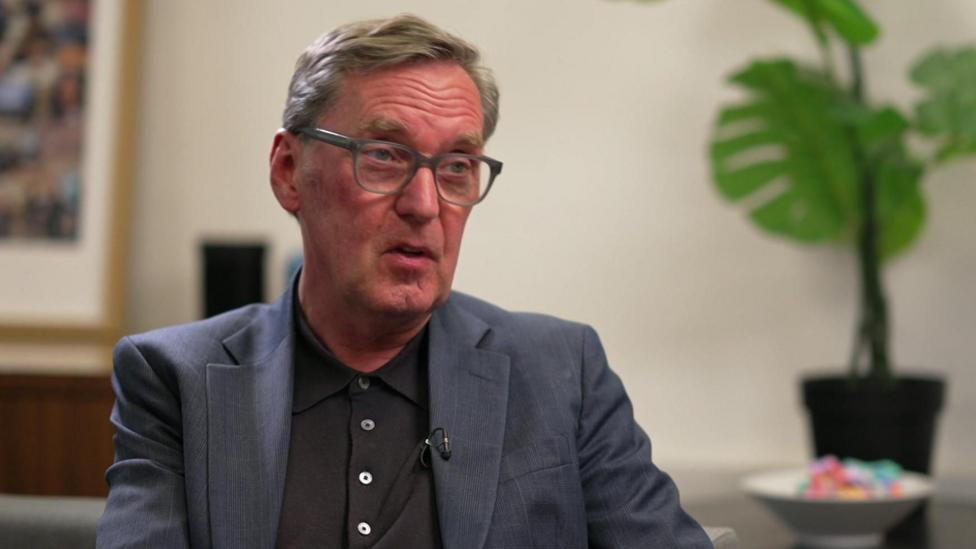
The review, which former health secretary Alan Milburn has been preparing for the government for a year and will publish on Tuesday, is expected to recommend a radical overhaul of the benefits system for young people. Under-25s would no longer be able to claim the health top-up in universal credit or the independence payment Pip. Instead, they would receive benefits at the basic rate of universal credit, and some would get a new 'additional costs top-up' covering everyday costs associated with their health condition. Those with severe disabilities who cannot work are promised a new benefit at an enhanced rate.
Milburn: 'not painless'
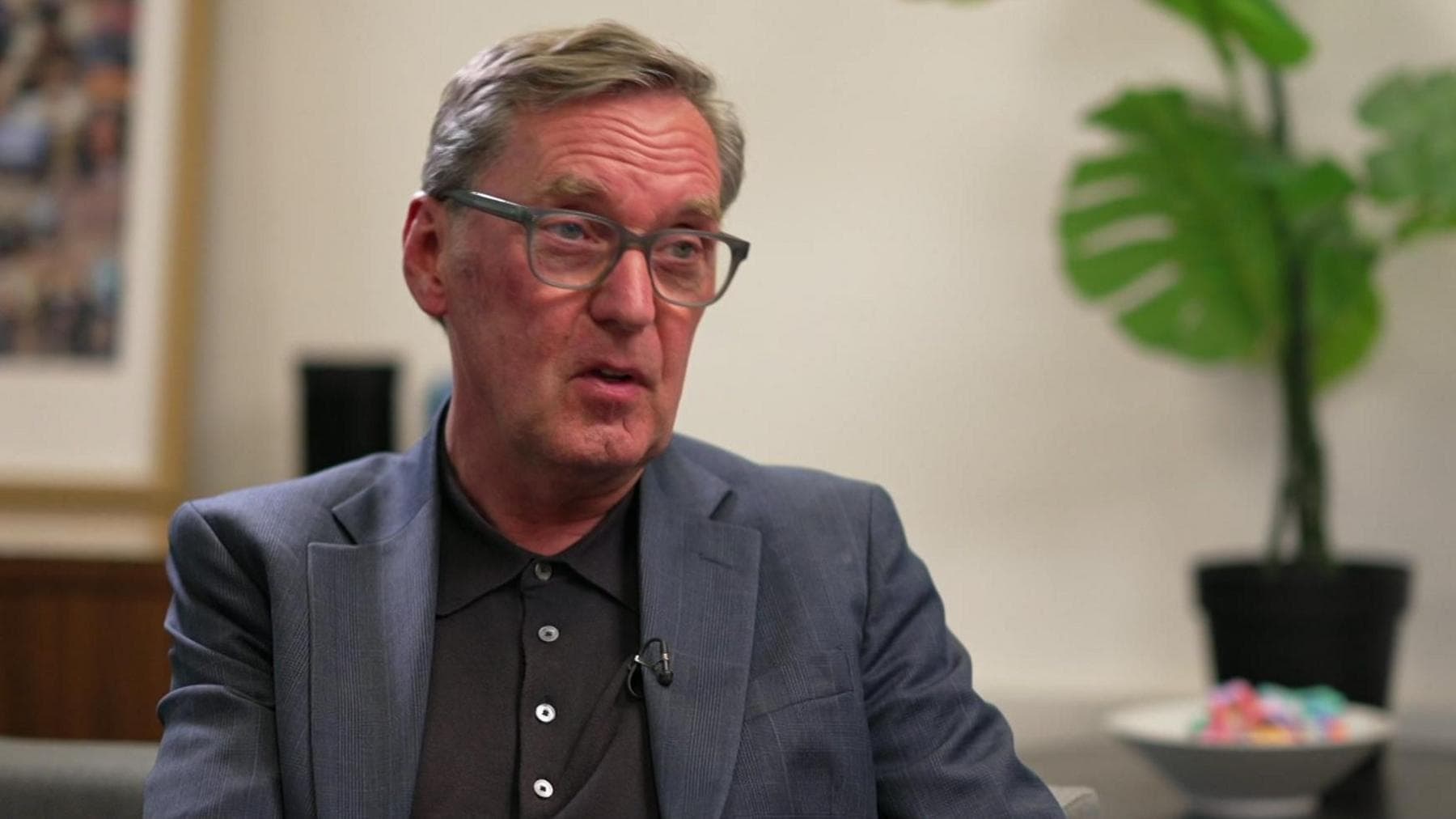
Milburn himself admitted that the plans will not be 'painless' and will affect both existing and new recipients. 'To be frank, this may mean that some people at the start of claiming will receive less financial support than under the current system,' he said. In his words, the current system puts young people's short-term finances above their long-term life prospects, and that is 'the wrong choice'. The proposed scheme contains a carrot-and-stick element: young people could lose part of their benefits if they do not take part in employment programmes. 'A deal is not a deal if there are no potential consequences,' Milburn said.
Investment and payback timelines
Alongside the cuts, the review is expected to recommend multibillion-pound investment in youth employment support: work placements, job subsidies and personal advisers. Milburn stressed that the new system will 'require significant investment' and will mean 'rebuilding the system from scratch'. If the recommendations are approved, the state may need almost a decade to see the financial savings. The government intends to bring the reform into legislation in the new year.
Scale of the problem
The impetus for the review was the situation with young people who are neither working nor studying (Neet). According to the Office for National Statistics for April–June, there are just under a million such young people in Britain — roughly one in eight of those aged 16–24 — and that is 3% more than in the same period last year. Milburn argues that 'hundreds of thousands of young people are stuck in a benefits system that keeps them in poverty, denying them the prospect of prosperity or work'.
Reaction in the governing party
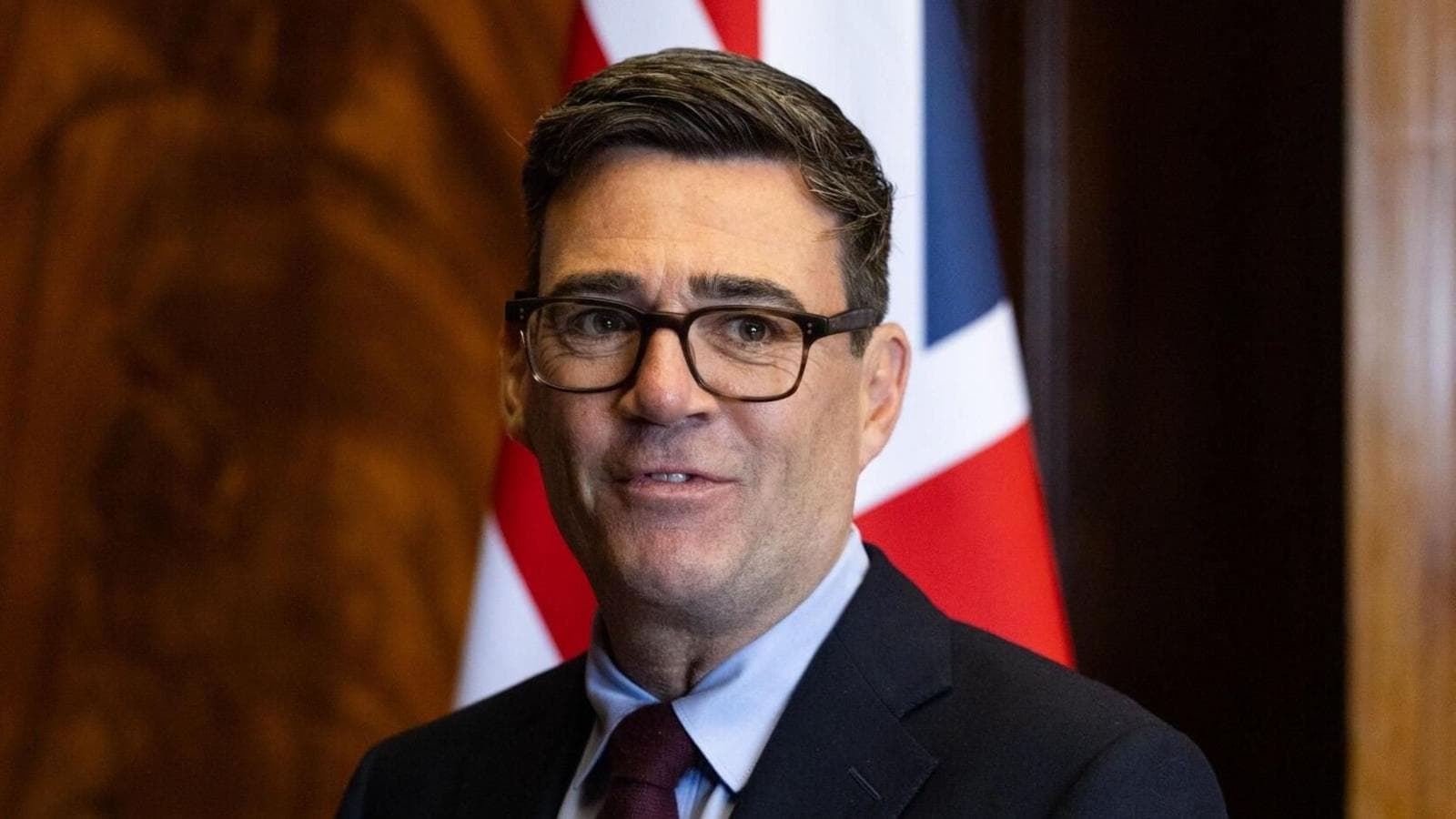
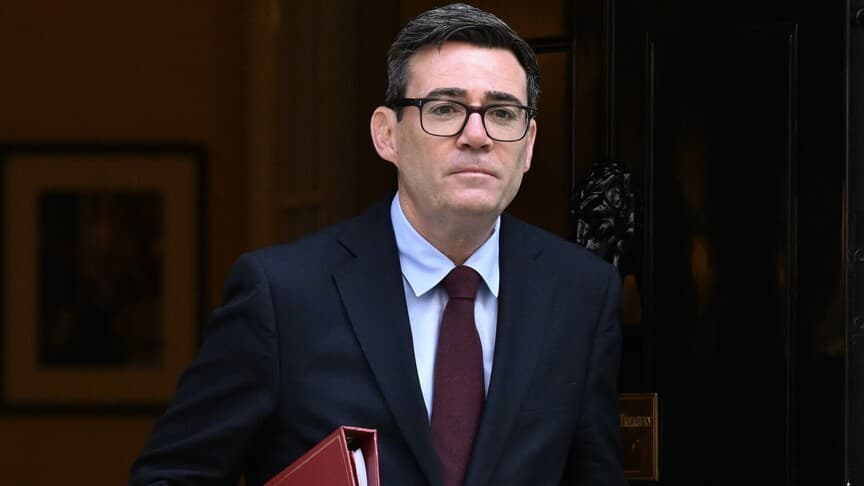
The recommendations will likely be backed by Prime Minister Andy Burnham, but the issue is a painful one for Labour: a year ago more than a quarter of the parliamentary party — 120 MPs — threatened to derail the benefits reforms under the then prime minister Keir Starmer, and 49 of them ultimately voted against the government. This time, as BBC political correspondent Iain Watson observed, the mood in the party is calmer: the organisers of last year's rebellion now work for the government, and the author of the reforms is not presenting them as savings with pre-set figures. MP Meg Hillier said she wants to give Milburn's proposals 'a fair chance'.
Criticism within the party
There are objections nonetheless. Bell Ribeiro-Addy said she was not sure she could vote to cut payments to existing recipients, and noted that Pip often helps disabled people who are already working to live independently: 'I don't think you can get a young disabled person into work by taking away the money that helps them work.' Rachael Maskell called removing Pip from young people a 'blunt instrument' and demanded to see the details, while Simon Opher backed Milburn's 'plausible solution' but considers benefit cuts 'a last resort' and points out that a quarter of young recipients of the health top-up do not fall into the Neet category. Another MP, Brian Leishman, said he would not support cuts 'in the middle of a cost-of-living crisis'. Housing minister Matthew Pennycook confirmed only his support for the 'principle' of more intensive employment support, and a government spokesperson promised always to maintain a 'safety net' for the most vulnerable.
Alan Milburn will publish his review next week