The key facts
- Burnham was the only G7 leader to speak at COP31 in Turkey
- The world's first climate envoy for security was appointed — Dame Madaleine Alessandri
- Oxfam pointed to double standards: calls for clean energy alongside approval of the Jackdaw gas field
What the Prime Minister said at the summit
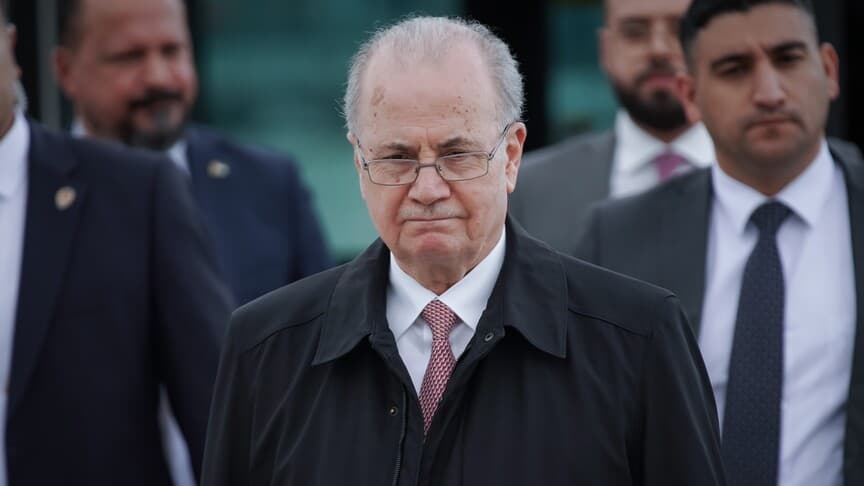
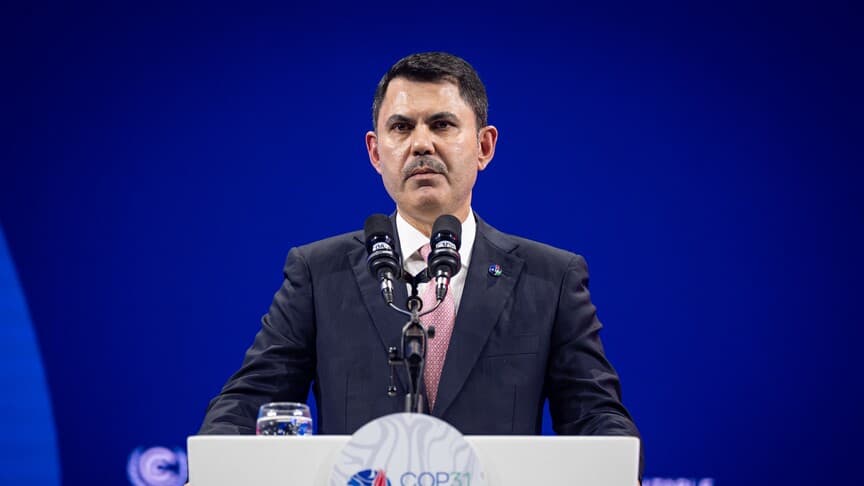
UK Prime Minister Andy Burnham spoke at the COP31 climate summit in Turkey and warned that the consensus on climate science has 'gone'. According to him, the world will, it seems, reach 1.5 degrees of warming — a formulation that almost verbatim repeats last year's address by Sir Keir Starmer. Despite this, he promised a 'new era of British leadership' on the climate agenda and reaffirmed commitment to the net zero target by 2050 while lowering energy bills, betting on reducing dependence on fossil fuels and electrification.
The speech was built around a record summer
Burnham opened his speech by describing the past summer in the UK: it was the hottest on record, and, according to the Met Office, climate change made such heat 130 times more likely. He listed the consequences: the closure of hundreds of schools, an 11% drop in grain harvests, and a surge in ambulance calls exceeding Covid-19 pandemic levels. Against this backdrop, he announced the creation of the post of climate envoy for security — the first in the UK and in the world. The post was taken by Dame Madaleine Alessandri, former head of the Joint Intelligence Committee, who said that climate change and nature loss are increasingly shaping the country's security environment.
Critics pointed to contradictions in government policy
Environmental activists at the summit called on the Prime Minister to back words with action. Oxfam climate adviser Beth John said the Prime Minister 'cannot call for clean energy around the world while approving new fossil fuels in the UK'. In recent months the government approved the Jackdaw gas field in the North Sea on the grounds of energy security, and Chancellor John Healey announced in the budget a cut in funding for the Warm Homes Plan — a programme of grants and loans for installing heat pumps. In addition, there were media reports about a possible softening of electric vehicle sales targets, although the government insists no decision has been made. Meanwhile, the transition to electric vehicles and heat pumps is a key path to the goal of Turkey, the summit's co-host, which is seeking a commitment to obtain 35% of energy from electricity by 2035 (currently about a fifth).
Summit context: rare G7 presence and island states
Burnham turned out to be the only G7 leader to speak at this year's conference — he himself acknowledged the weakening of support for the COP process. The current G20 president is the United States, which has been absent from the climate process for the past two years following Donald Trump's withdrawal from the Paris Agreement; this is seen as a signal of the UK's priorities ahead of its upcoming G20 presidency. King Charles III, who was not present in person, sent a message calling for collective action. On Thursday, speeches by many island states — Tonga, Tuvalu, the Solomon Islands — were also expected, where sea level rise is already forcing people to leave their homes. The World Meteorological Organization reported on the first day of the summit that the average global sea level had reached a record level since observations began. Australia, co-host of COP31, last year opened the world's first 'climate visa' for Tuvalu citizens: more than a third of the country's population applied for the first quota.
PM Andy Burnham was the only G7 leader to go to COP31
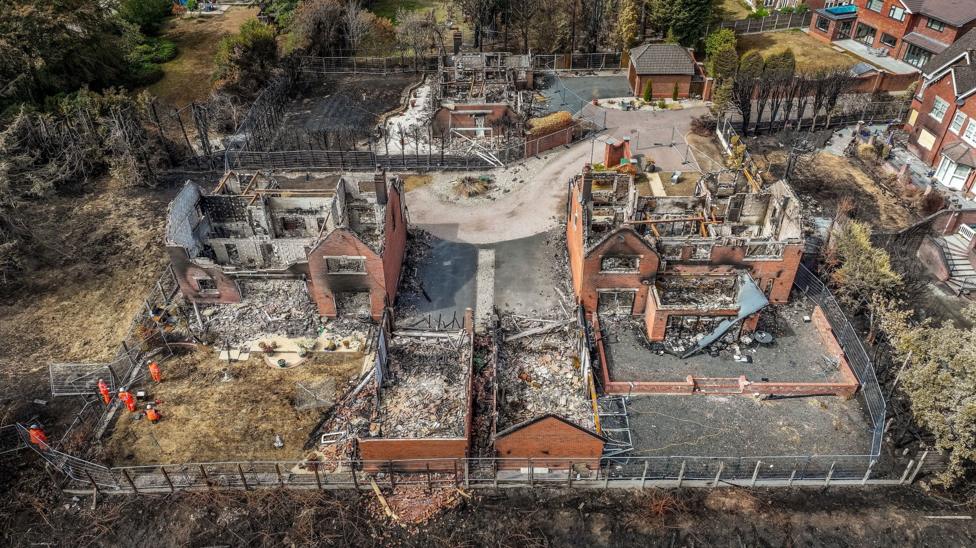 Image source, Christopher Furlong/Getty Images
Homes in the West Midlands were destroyed after record wildfires this summer in the UK