The key facts
- Burnham called the Conservatives' Brexit deal unworkable and spoke of a 'significant prize' from a new agreement with the EU
- The cabinet is not united: Rayner is open to revisiting red lines, Mahmood is cautious, Reynolds opposes a customs union
- Conservatives, Liberal Democrats and Reform UK are searching for a response to Europe's return to the agenda
Burnham's statement and the week ahead
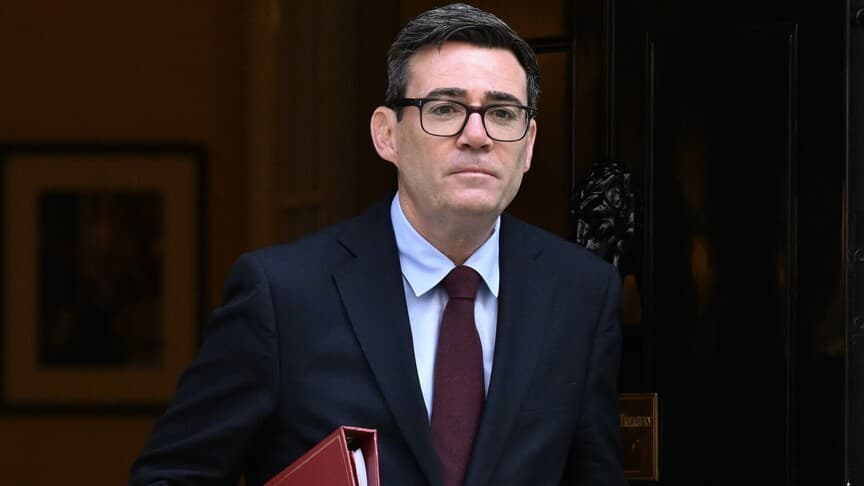
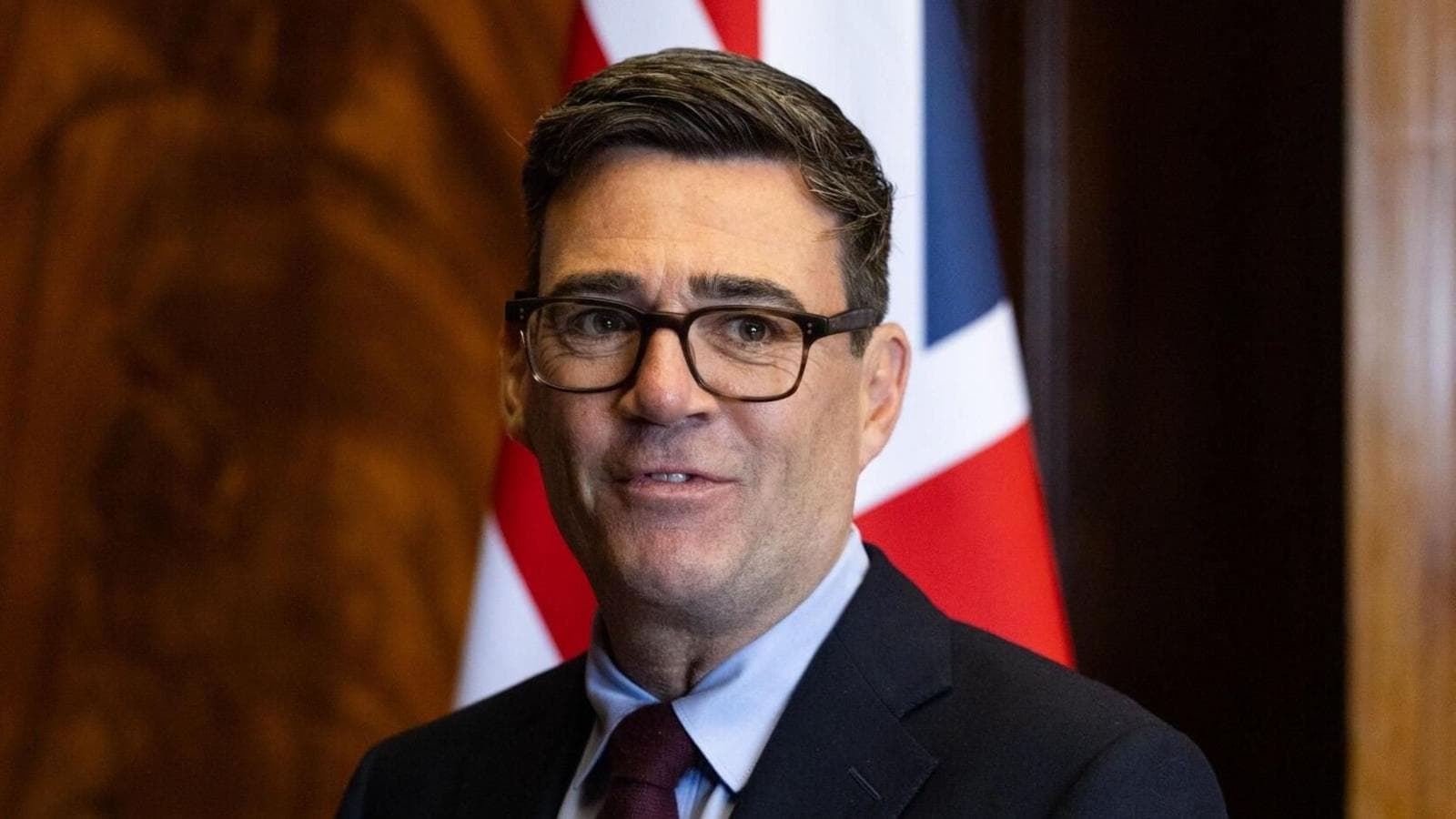
UK Prime Minister Andy Burnham this week told his ministers: 'I firmly believe that we ended up with a harder Brexit than people voted for… no reasonable person believes that the deal agreed by the Tories works for the country.' In his words, a new agreement with the EU offers a 'significant prize': 'We will seize the opportunities that will make people in this country richer.'
What lies ahead: Dublin, a speech and a summit
On Thursday in Dublin, at a meeting of European leaders, Burnham will meet for the first time those who may prove to be key figures for advancing his vision of Britain's future in a united Europe. Next week he will deliver a foreign policy speech in which Europe takes centre stage, and then travel to Brussels for the UK–EU summit to sign new agreements on food, energy and youth mobility.
Divisions inside the cabinet and the party
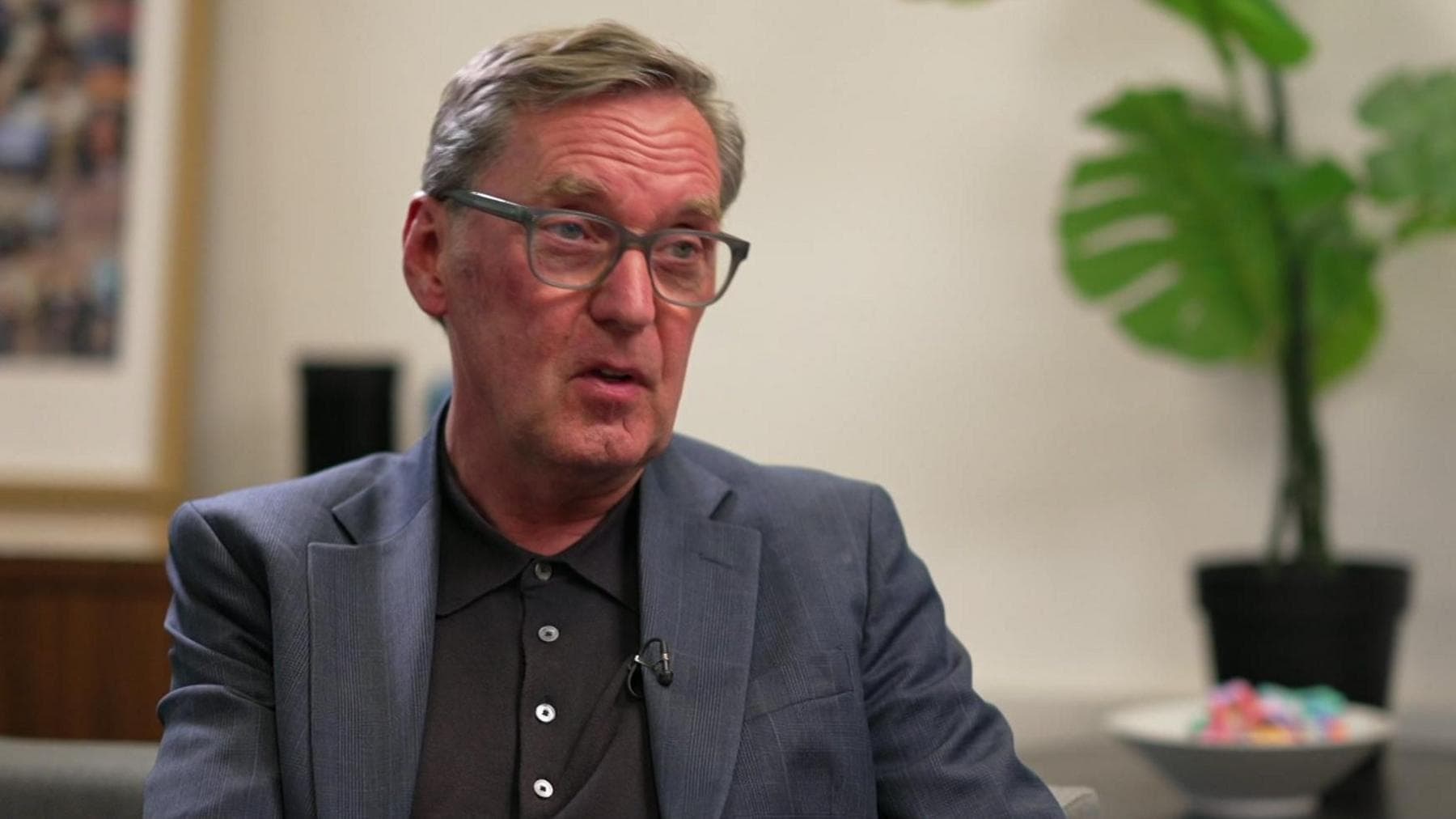
Behind the current agreements stands a more ambitious question: the prime minister has opened the door to a discussion about returning to the EU single market — together with freedom of movement — and even about rejoining the union. This divides his cabinet and party. Housing Minister Angela Rayner, it is reported, insists on keeping the manifesto red lines — no return to the single market, the customs union or freedom of movement — but is open to revisiting them at the next election. Home Secretary Shabana Mahmood sounds more cautious, warning of the 'costs and consequences' both of returning to the EU and of staying outside it. Business and Trade Secretary Jonathan Reynolds supports closer ties, but previously cautioned against joining a customs union and is unsure about rejoining because of the uncertainty over the terms and over the future of the union itself. One minister, speaking without being named, said: 'The best thing you can do in politics is tell the truth. And the truth is that Brexit has done Britain enormous damage. We are not leading the public conversation — we are desperately catching up with the public.'
Criticism from outside and within
Former prime minister Lord Cameron, in an interview with Bloomberg, called the start of a conversation about returning to the EU 'very long and painful' and warned that 'flirting with a return' could weaken Britain's negotiating position: EU countries would decide there was no point in offering a good partnership deal to those who would rejoin anyway. Inside the Labour Party the opposition has not erupted into open revolt, but it exists. A Scottish Labour MP with a pro-European constituency called the course 'a real problem': in his words, one cannot treat the 2014 referendum on Scottish independence as settled for a generation while simultaneously denying the finality of the 2016 referendum. Gareth Snell, MP for Stoke-on-Trent, where 69.4% voted to leave, warned that reopening the debate would 'monopolise a huge amount of time in parliament and government'. The two most disgruntled MPs said there are no 'plans' for organised criticism of the prime minister and their attitude is 'wait and see'; the truce, it is assessed, could crack if the prime minister's ratings begin to fall.
How other parties are reacting
Burnham's strategy has also put other parties in a difficult position. The Conservatives are strongly opposed to any future alignment with EU rules: leader Kemi Badenoch called it a red line that 'would actually drag us backwards'. At the same time, some Tories worry that the European issue will split their electorate again: 'The problem is that some of these voters only started listening to us again after Brexit, and now they are going to be constantly reminded of it,' said one MP. The Liberal Democrats, until now the most pro-European of Westminster's major parties, fear their position will be overshadowed by Burnham. Reform UK, by contrast, say they are 'very excited' by Brexit's return to political debate: 'If he wants to fight an election on a £40 billion bill for returning, free immigration and less control over our laws and courts, we are all for it,' said a strategist for the party, which hopes to consolidate Leave supporters around itself.
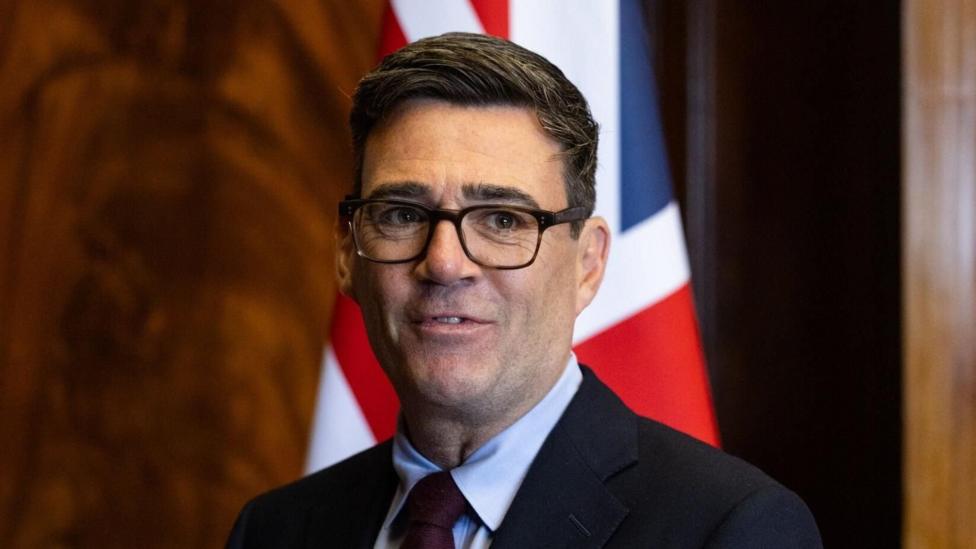 Image source, EPA/Shutterstock
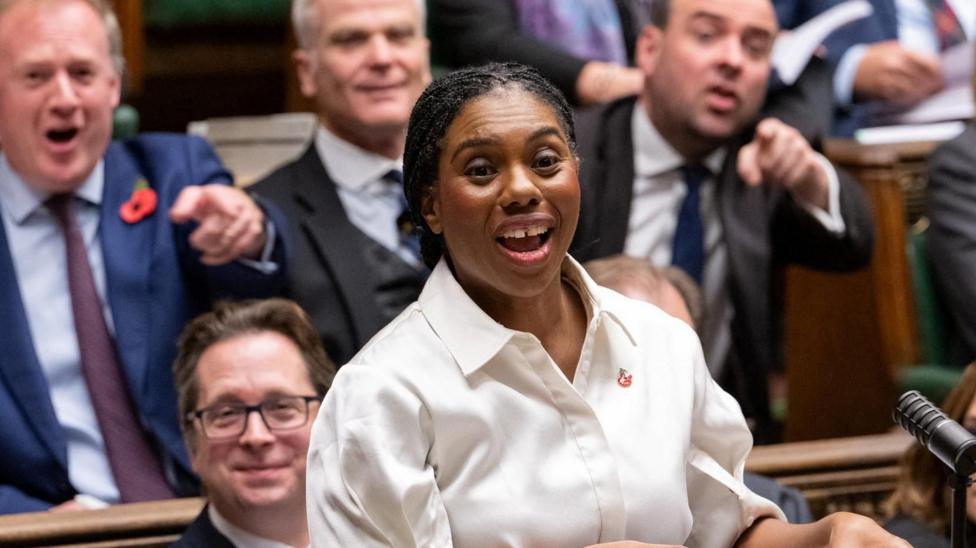 Image source, UK Parliament
Badenoch has pledged that a future Conservative government will withdraw the UK from the European Convention on Human Rights (ECHR)