The key facts
- Eisenkot cancelled the negotiation session with Likud after Netanyahu's remarks about the Arab lists
- The bloc opposing Netanyahu holds 67 of 120 seats; negotiations are complicated by disagreements over the military service exemption for the ultra-Orthodox
- 78% of Britons consider Israel a serious threat to peace — higher than the figures for Iran (75%) and the US (74%)
Coalition crisis after the Knesset inauguration
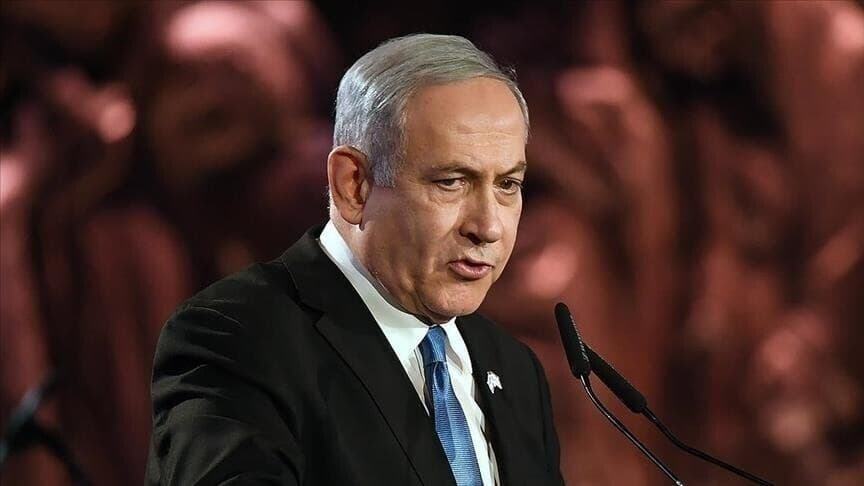
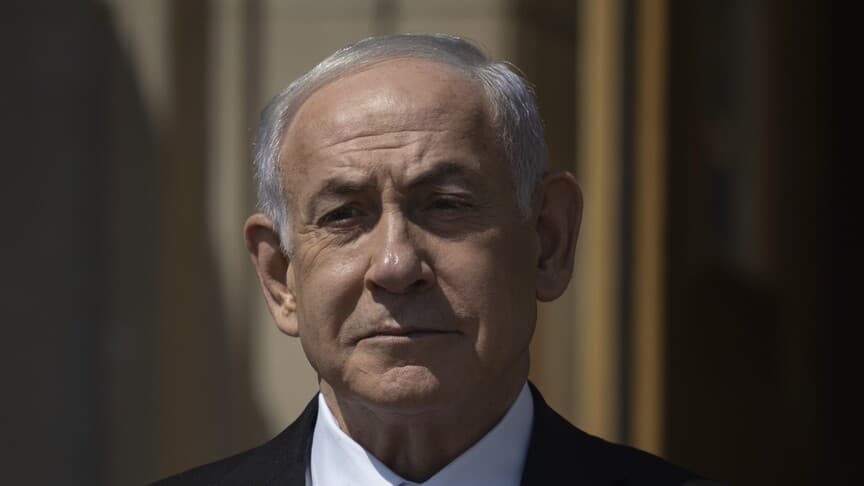
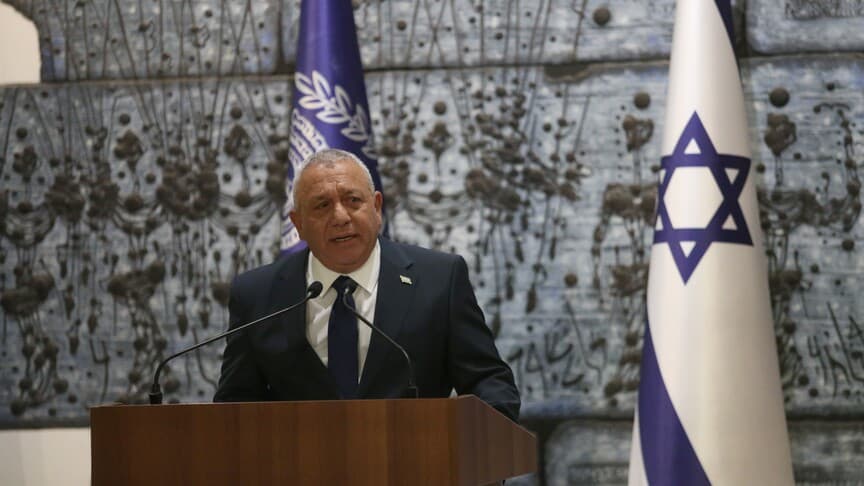
Gadi Eisenkot, leader of the Yashar party, whom President Isaac Herzog tasked on Sunday with forming a government, called Netanyahu's speech at the swearing-in ceremony of the 26th Knesset 'shameful' and 'delusional'. 'I became even more convinced that he is not fit to remain in power for even one more minute', Eisenkot said, calling for the swift formation of a national rescue government. In response to Netanyahu's remarks about the two Arab lists, he cancelled the coalition negotiation session with Likud scheduled for Wednesday. Yashar said Netanyahu had 'attacked Israeli citizens' and that the speech was 'yet another sad reminder' that he 'does not want unity'.
The parties' positions and the parliamentary balance
In his speech, Netanyahu again called for a government of national unity, claimed that Iran was allegedly seeking to revive its nuclear programme, and asserted that the Joint List and the United Arab List want to destroy Israel — precisely while Eisenkot is assessing whether a government could rely on their support. Yair Golan, leader of the Democrats party, accused Netanyahu of lying and stoking hostility toward Arab citizens in order to hold on to power: 'Soon Netanyahu will trade the prime minister's chair for a seat on the opposition benches.' Likud responded that it was ready to meet with any faction seeking unity, but Netanyahu maintains his position that cooperation is impossible with those he calls 'supporters of terror' and with the lawmakers who left the hall during the playing of the anthem. The parties opposed to Netanyahu won 67 of 120 seats in the 27 October election, including 19 for the two Arab lists; Netanyahu's bloc holds 53. The negotiations are complicated by disagreements over the military service exemption sought by the ultra-Orthodox parties, and by objections from some of Eisenkot's allies to relying on the Arab parties. Eisenkot has 28 days to form a government, with a possible 14-day extension.
British poll: Israel a 'serious threat' for 78%
According to the report 'British Social Attitudes' by Britain's National Centre for Social Research (NatCen), titled 'A More Dangerous World', 78% of Britons consider Israel a serious threat to peace — up from 48% in 2005. This is higher than the shares who say the same about Iran (75%) and the United States (74%). The figure reached 73% by autumn 2024 after Israel's war in Gaza, fell to roughly two-thirds in 2025, and rose to 78% in the spring 2026 survey conducted after the American-Israeli bombing campaign against Iran. The report's authors link this to 'involvement in the recent Middle East conflict'. By party affiliation, Israel is seen as a 'serious threat' by 88% of Green supporters, 84% of Labour supporters, 79% of Liberal Democrats, 70% of Conservatives and 62% of Reform UK supporters.