The key facts
- Ghalibaf called China's role significant for ending the war and settling Iran's relations with the US
- The creation of a high-level body for coordinating and overseeing cooperation with Beijing was announced
- Tehran and Washington remain at odds over sanctions, security guarantees, and the Strait of Hormuz
Ghalibaf's Statement on China's Role
Iranian Parliament Speaker Mohammad Bagher Ghalibaf said on Tuesday that China can play a significant role in ending the war and in resolving the current 'neither war nor peace' situation between Iran and the US. 'China's role in ending the war and the situation
Organizational Decisions and the 25-Year Agreement
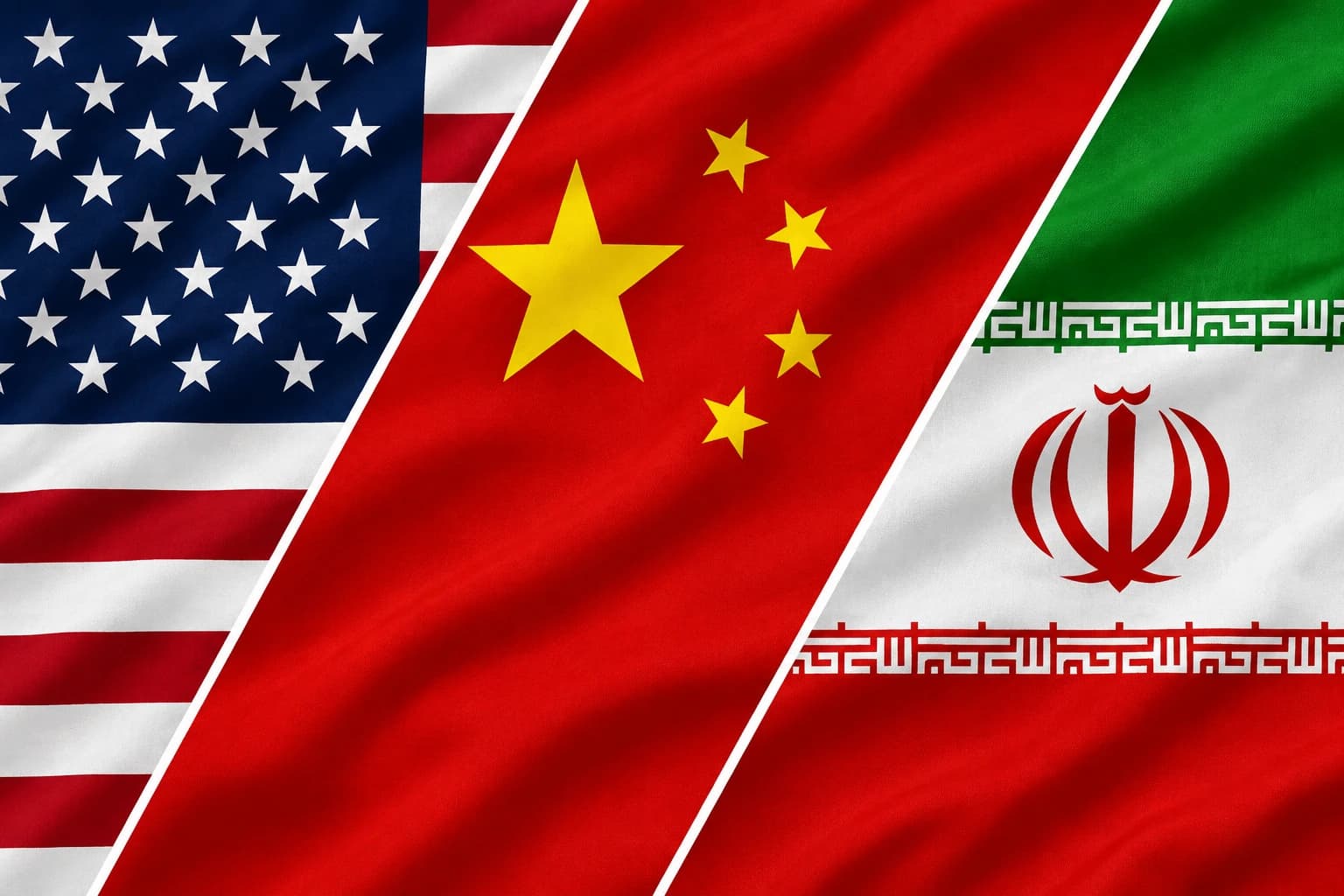
Ghalibaf reported that the Supreme Leader has issued detailed instructions on relations with China, emphasizing concrete priorities rather than general recommendations. He announced the creation of a high-level governing and oversight body to coordinate and monitor the implementation of cooperation with Beijing. According to him, the body will handle strategic coordination, setting priorities, accelerating decision-making, and following up on major interagency matters, without replacing the powers of state institutions. In addition, he stressed that cooperation with China must go beyond ceremonial agreements and rest on concrete projects under the 25-year comprehensive cooperation agreement between the two countries.
Context of the Talks with the US
The statements came amid efforts to end the war between Iran and the US, which began with American-Israeli military strikes on Iran on February 28. According to the publication, Tehran and Washington remain at odds over the terms of a durable settlement, including the lifting of sanctions, security guarantees, and the regime of the Strait of Hormuz. Thus, the appeal to Chinese diplomacy coincided with the absence of agreed conditions for ending the conflict: Ghalibaf simultaneously oversees both the China portfolio and the negotiating delegation with the US, which points to Tehran's attempt to engage Beijing as a factor in regional diplomacy while direct disagreements with Washington persist.