The key facts
- Iran denies negotiations with the US and a meeting with Vice President JD Vance in Qatar
- Tehran links the opening of the Strait of Hormuz to the fulfillment of seven conditions
- Rubio called Iran's demands 'outrageous' but sees no need to resume hostilities
Tehran denies reports of contacts with Washington
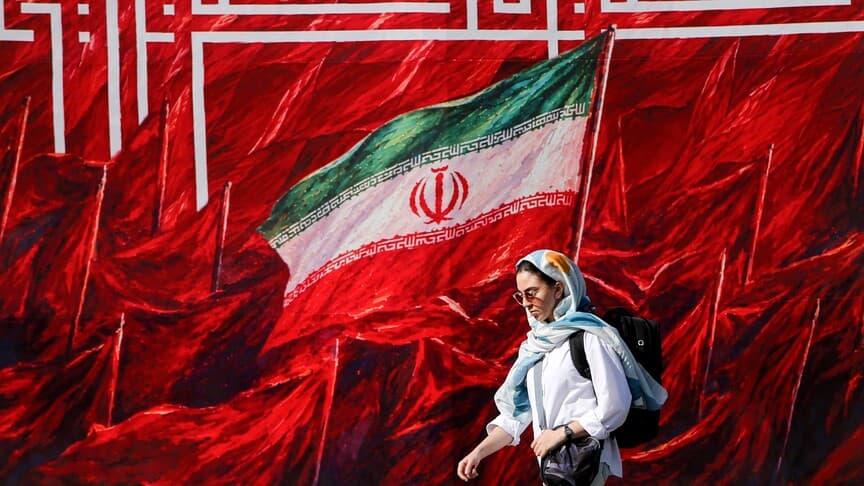
Iran's Supreme National Security Council Secretary Mohsen Rezaei on Tuesday rejected claims of ongoing negotiations with the US and a planned meeting in Qatar, calling them 'a complete lie', Tasnim news agency reports citing his words. In a television interview, he accused Washington of spreading these statements to ease economic pressure and lower oil prices. 'I emphasize: we are not conducting any negotiations with the Americans now, and there are no negotiations between us and Washington at present,' Rezaei said. He also dismissed as baseless reports of a planned meeting with US Vice President JD Vance; earlier on Tuesday, Iran's Foreign Minister Abbas Araghchi made the same statement, adding that Tehran's two-day proposal remains on the table.
Seven conditions and a closed strait
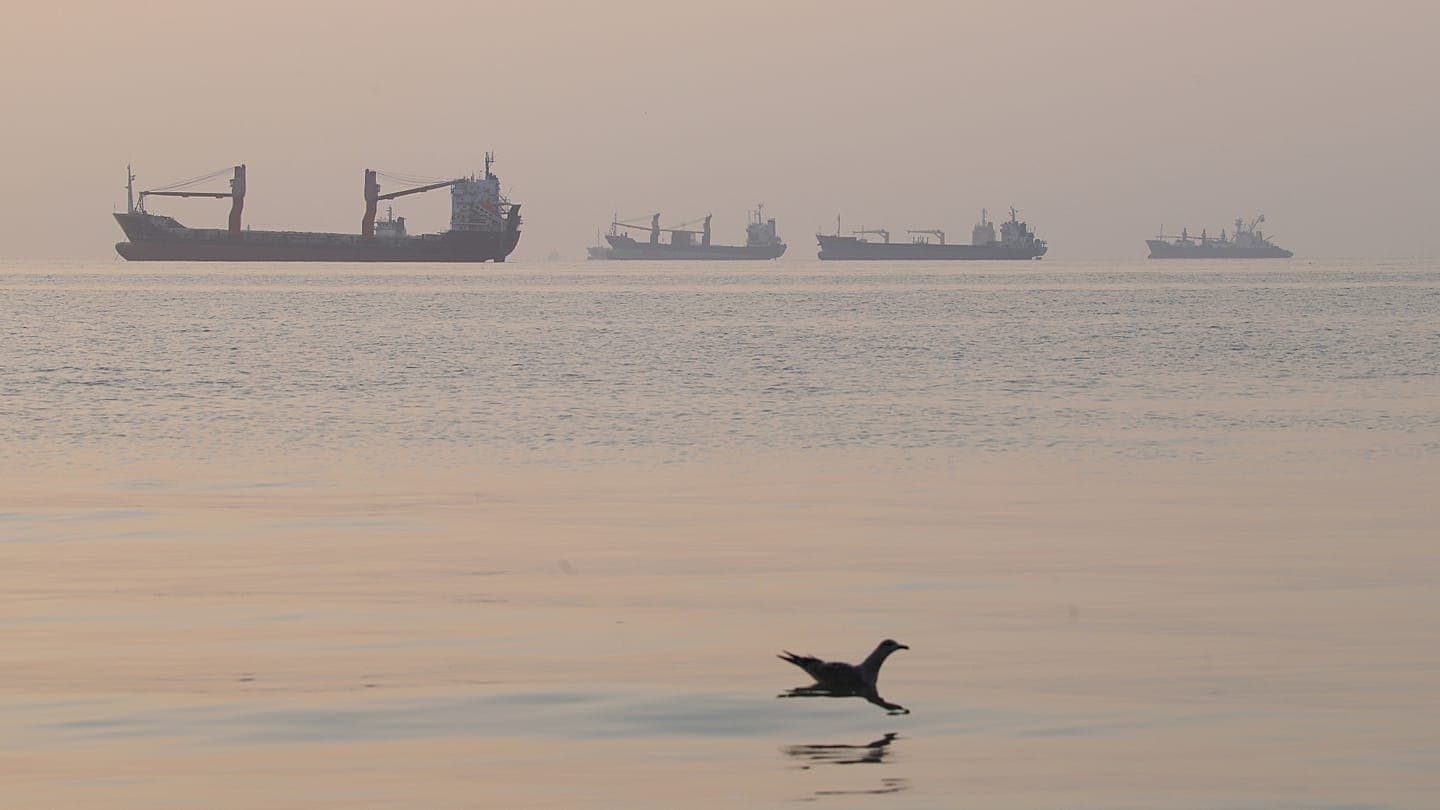
According to Rezaei, Iran has presented seven conditions that Tehran considers the legitimate rights of its people, and the Strait of Hormuz will remain closed until all of them are fully implemented. He stated that the conditions have been conveyed to the American side, but their initial response was 'insufficient and deceptive,' and Iran is awaiting a 'clear and explicit answer.'
Washington's position and Qatar's mediation
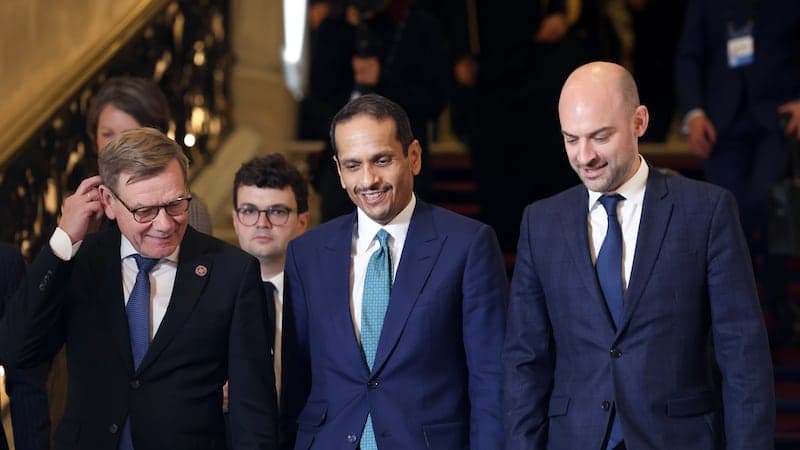
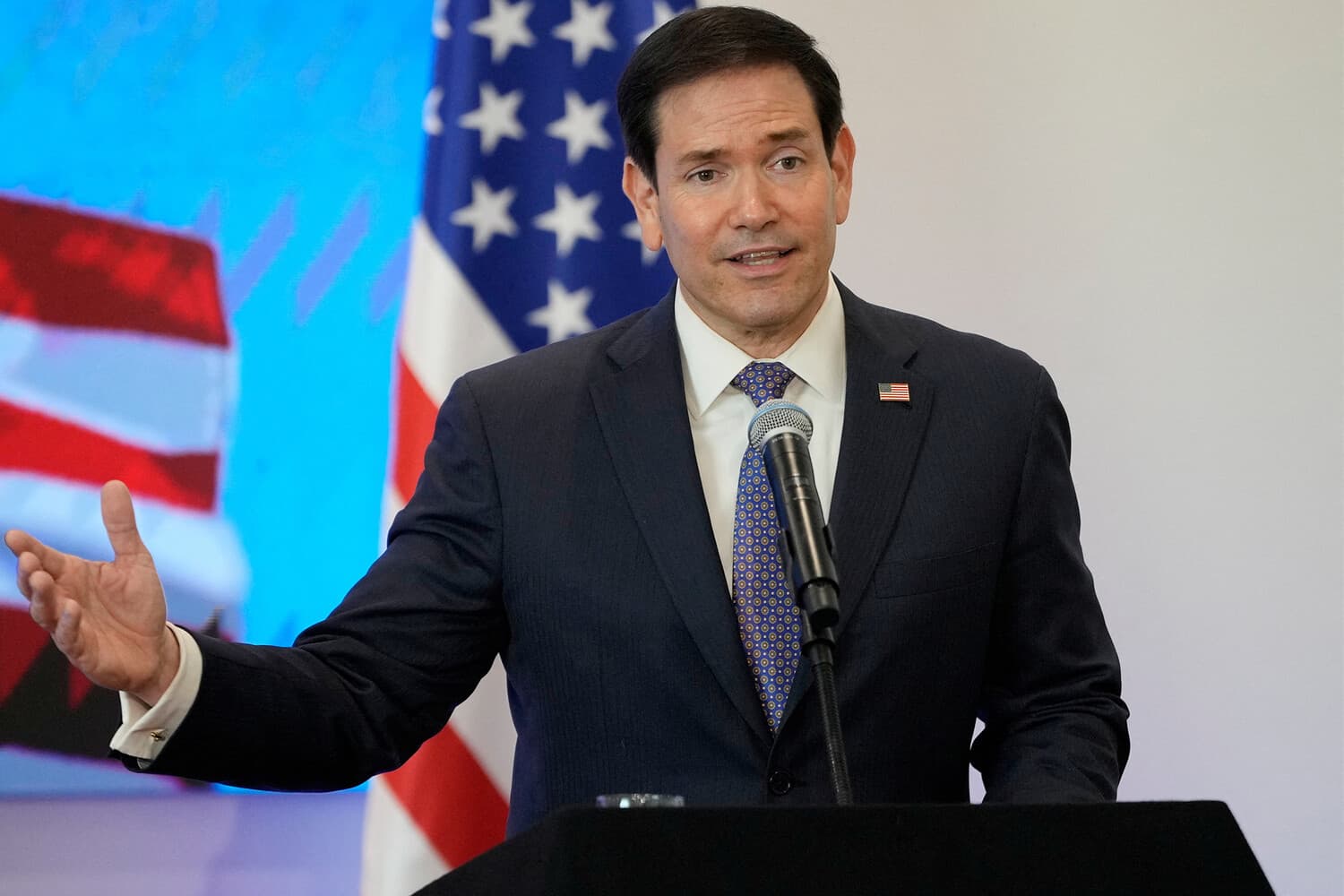
Tehran's statements came a day after US Secretary of State Marco Rubio, before departing for the G7 foreign ministers' meeting in Paris, told reporters that a diplomatic agreement with Iran might prove impossible, describing Tehran's demands as 'outrageous and absurd.' According to him, several countries continue to offer Iran options, but Washington is far from a breakthrough; he added that President Donald Trump prefers a diplomatic solution. After the G7 meeting, Rubio stated that the US sees no need to resume major hostilities against Iran, as economic pressure is achieving its goals, will continue the economic campaign, and warned that American forces are ready to respond if Iran crosses Washington's 'red lines.' Meanwhile, Qatar announced on Tuesday that it received positive responses from both Washington and Tehran regarding its mediation efforts but acknowledged uncertainty about the prospects for an agreement.
Context of contradictory signals
Thus, the parties present opposing pictures of the state of diplomacy: Iranian officials deny the very fact of negotiations and any meeting in Qatar, while Qatar speaks of positive responses from both sides to mediation, and the US continues its pressure line. According to the agency, the US and Israeli military operation against Iran began on February 28, a ceasefire followed in April, and in June Washington and Tehran signed a memorandum aimed at reaching a peace agreement; the negotiations have not yet resulted in a final settlement.