The key facts
- At the end of their meeting in Paris on November 9–10, the G7 foreign ministers reaffirmed their 'unwavering support' for Ukraine
- They called for a full, comprehensive and mutual ceasefire and pledged to increase assistance to Kyiv, including air defense and winter support
- Iran's actions in the Strait of Hormuz and the Houthis' attacks were separately condemned; the statement was adopted amid a new round of talks in Abu Dhabi
Statement on Ukraine amid talks in Abu Dhabi
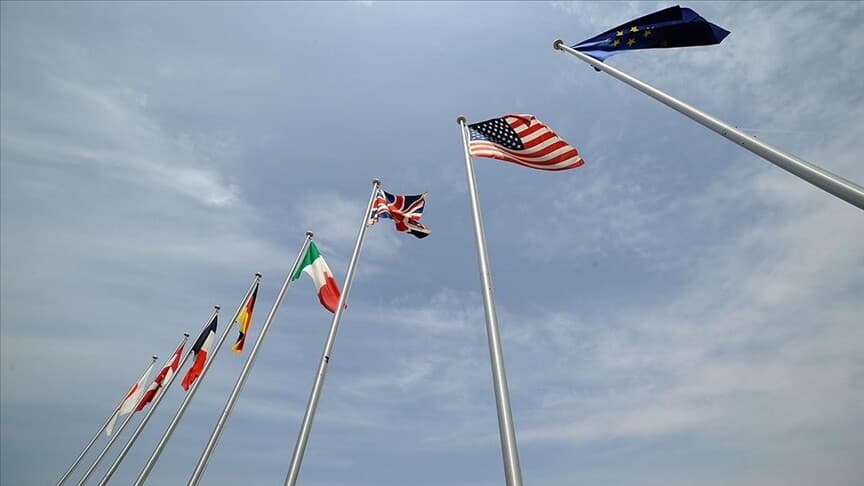
At the end of their meeting held in Paris on November 9–10, the foreign ministers of the Group of Seven adopted a joint declaration in which they reaffirmed their 'unwavering support' for Ukraine and its citizens defending the country's territorial integrity, sovereignty, freedom and independence.
What exactly the ministers pledged
On Ukraine, the G7 called for a 'full, comprehensive and mutual ceasefire,' noting that a mutual halt to strikes on energy infrastructure and on activity in the Black Sea could be an important first step toward a durable peace. The ministers also pledged to strengthen military and financial support for Kyiv, including air defense capabilities and assistance to the country in getting through the winter period. The statement stressed that European countries must be included in negotiations on the future security of the continent. The statement was adopted at a moment when delegations from Russia, Ukraine, the United States and European countries had gathered in Abu Dhabi for a new round of talks on ending the war, which is approaching the five-year mark.
Iran, the Strait of Hormuz and the Houthis
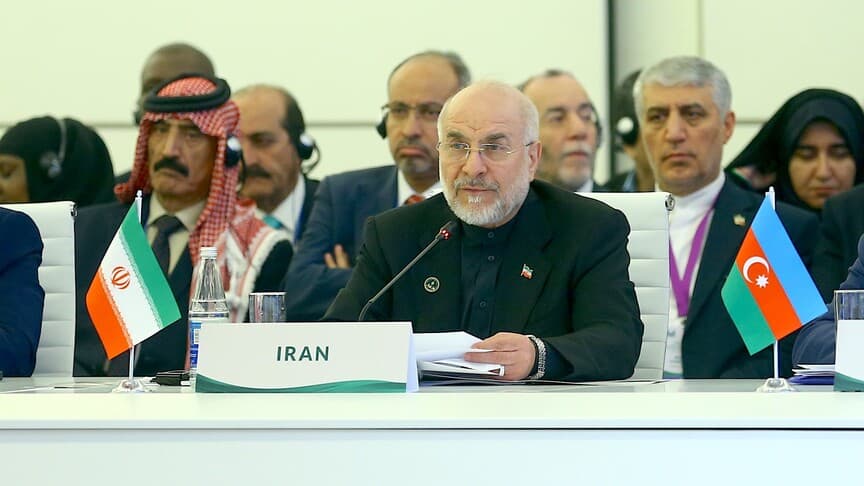
Beyond the Ukrainian topic, the ministers condemned Iran's interference with maritime traffic through the Strait of Hormuz, pointing out that it affects international trade, energy security and the global economy. They called on Tehran to stop the 'ongoing attacks against civilian vessels' in the strait, reaffirmed their commitment to the right of safe and free passage, and spoke out against any duties, fees or restrictions on maritime transit. The G7 also called on Iran to resume full cooperation with the IAEA to restore transparency of its nuclear program. In addition, the group expressed solidarity with Saudi Arabia and Yemen in connection with the ongoing Houthi attacks, including strikes on civilian facilities and infrastructure: the ministers demanded that the Houthis immediately cease hostilities and threats, and called on all actors, including Iran, to stop supporting the group.