The key facts
- Birol called for raising the share of electricity in final energy consumption to 35% by 2035
- The EU estimated additional energy import costs due to the Strait of Hormuz at €127 billion
- The European Commission proposes a target of 46% electrification by 2040, compared with the current 23%
A call for electrification ahead of COP31
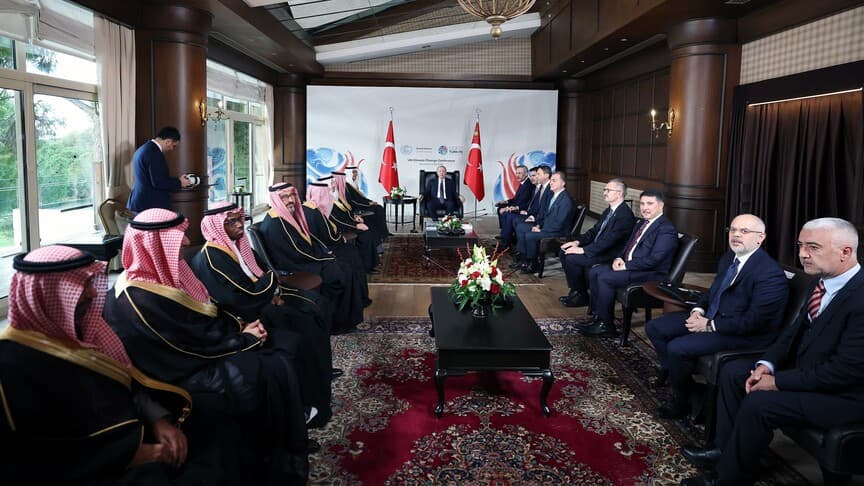
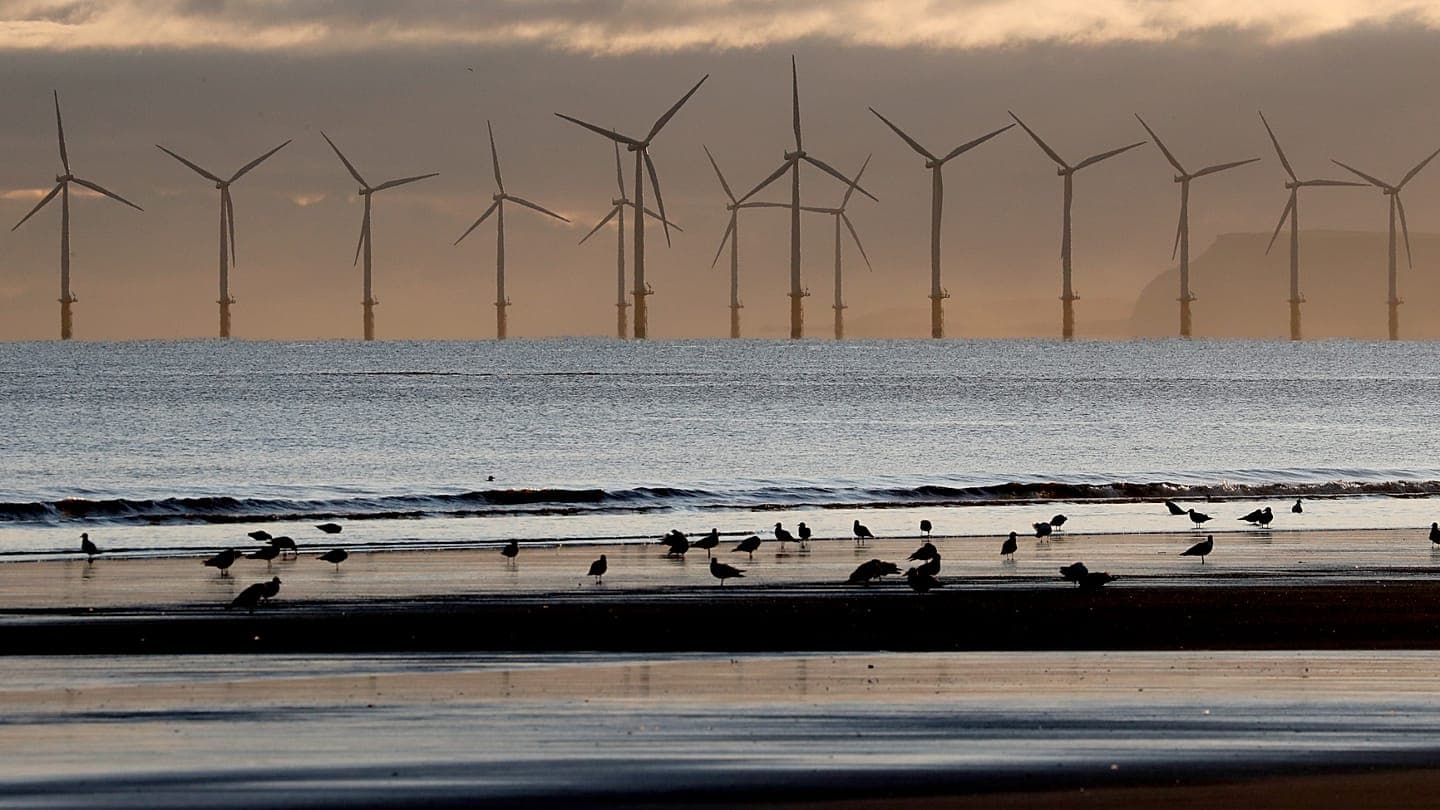
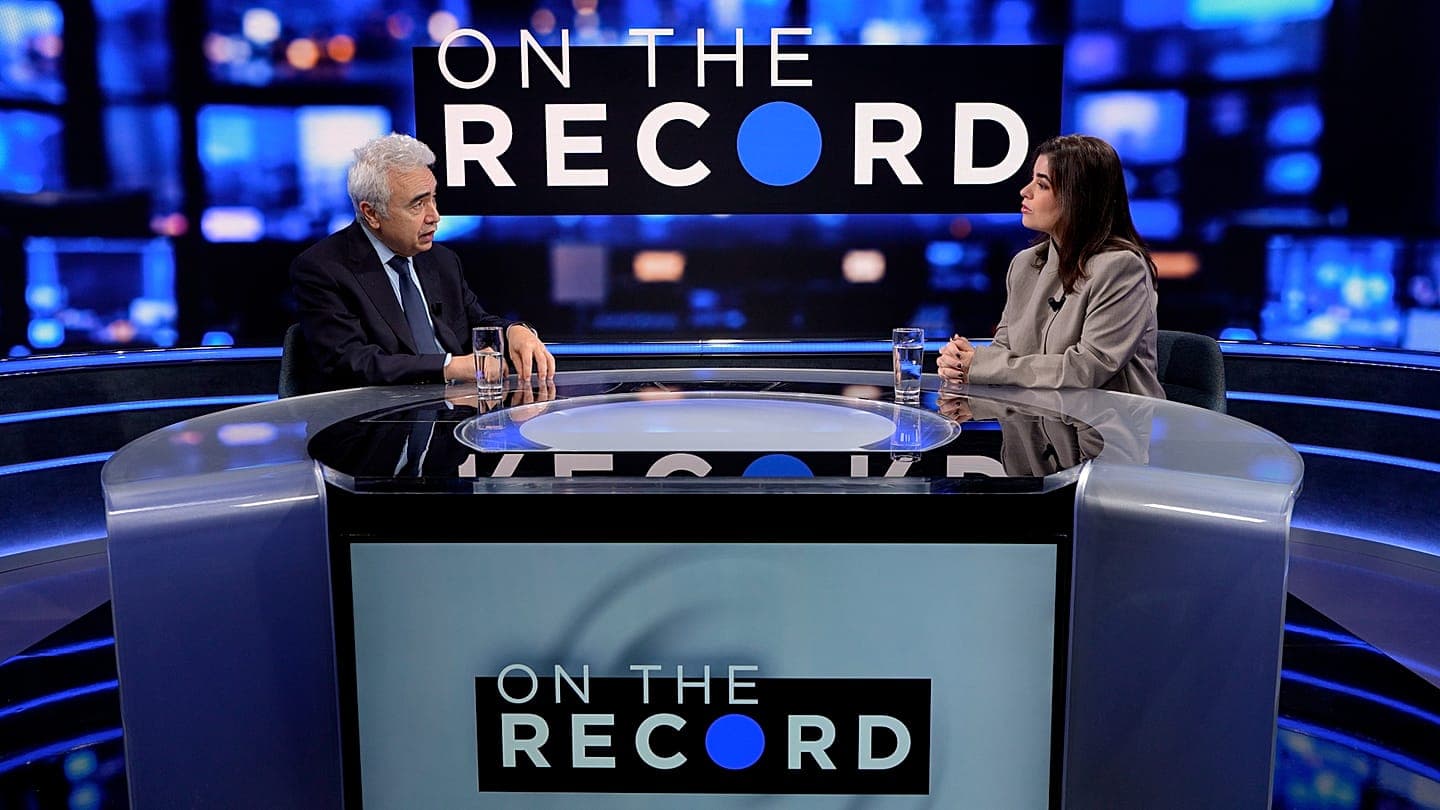
On the eve of the COP31 climate summit, taking place in Antalya, Turkey, the Executive Director of the International Energy Agency, Fatih Birol, in an exclusive interview with Euronews called on governments to accelerate electrification: the share of electricity in the world's final energy consumption should rise to 35% by 2035. In his words, 'Europe's energy future is electrification,' and for sovereignty and competitiveness the bloc should produce more energy domestically — at solar, wind, nuclear and hydroelectric plants — instead of importing fossil fuels. At the summit, leaders are expected to agree on an electrification target of 35% by 2035.
Shortage of petroleum products and the Strait of Hormuz
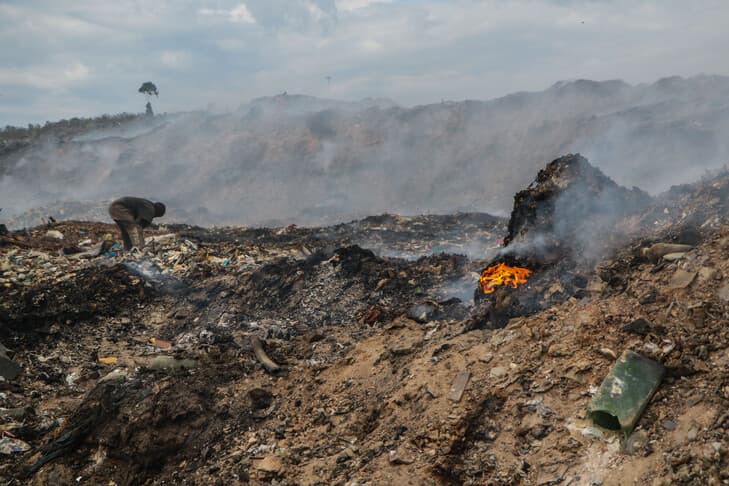
Birol warned that a prolonged closure of the Strait of Hormuz would have serious consequences for the global economy and for Europe: 'If the Strait of Hormuz is closed for a very long time, it will have serious consequences for the global economy and for the economy of Europe.' According to a European Commission estimate cited by Euronews, disruptions related to the strait have added €127 billion to the EU's energy import bill since the start of the US-Israeli war against Iran, while industrial production in the bloc continues to decline. Europe has lost supplies of petroleum products from the Middle East, and Ukraine's strikes on Russian refineries have further narrowed the global supply of diesel and jet fuel amid growing winter demand.
Russian diesel will not solve the problem
Commenting on a possible US decision to ease restrictions on Russian diesel exports, Birol expressed skepticism: 'The amount of diesel that could come from Russia will not be the solution to this problem.' He allowed that additional Russian supplies would provide 'some relief,' but would not eliminate the structural shortage, including due to the reduction of the EU's refining capacity. 'We have lost supplies of petroleum products from the Middle East to Europe. They will not be coming,' he said, adding that if the current situation persists, 'the question of fuel availability may arise.'
EU targets and internal disagreements
Birol criticized Europe's abandonment of nuclear energy, joining the assessment of European Commission President Ursula von der Leyen, who called that course 'a strategic mistake': according to him, nuclear power provided about a third of the EU's electricity in the 1990s, compared with roughly 15% today. The European Commission itself earlier proposed raising the EU's level of electrification to 46% by 2040 — roughly double the 23% level at which the indicator has stagnated over the past decade; for now this figure is indicative, but negotiations on the post-2030 energy framework document could make it legally binding. At the same time, as Euronews reports, EU countries broadly support the global electrification target, but softened their position in the final conclusions ahead of COP31 dated 12 October: the September draft welcomed the presidency's proposal to raise electrification to 35% by 2035, whereas the final text merely notes that 'the EU looks forward with interest to discussing' the initiative. According to a senior Commission official, among the skeptics is the Czech Republic, hinting at possible resistance to the bloc's own 46% target as well.
The price of the energy transition
Responding to the typical argument about the high cost of transforming the energy system, Birol urged weighing these costs against the economic price of continued dependence on imported fuel: 'Energy security also has costs.' He called on leaders to strive for consensus on electrification at the summit in Antalya.