The key facts
- Five EU countries demand a financial contribution from London for access to the electricity market
- The benchmark is the Norwegian model: Oslo pays about €391 million a year
- Leaders cite plans for up to 100 GW of joint projects in the North Sea
Letter from five countries ahead of the November 20 summit
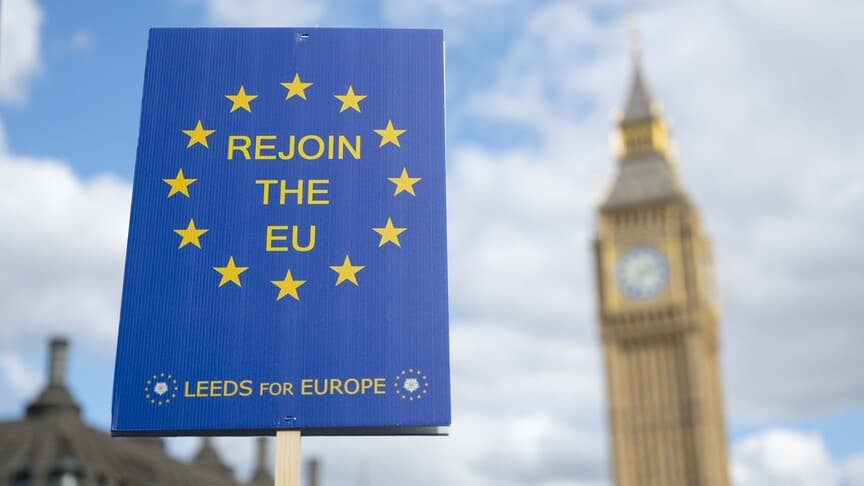
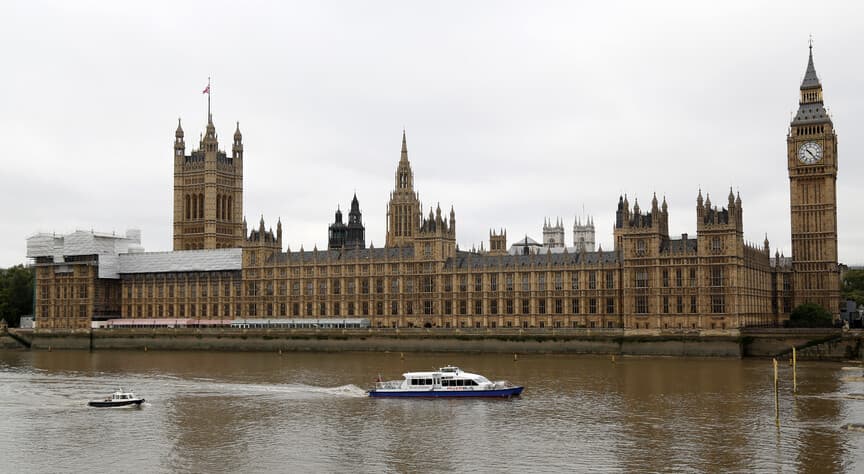
The leaders of Belgium, Germany, Denmark, Luxembourg and the Netherlands have sent a letter to European Commission President Ursula von der Leyen and European Council President António Costa, demanding that the United Kingdom's integration into the EU's internal electricity market be tied to its contributions to regional development funds. The text of the letter was published by Euronews. 'An agreement on an appropriate financial contribution from the United Kingdom to reducing economic, social and territorial disparities between the Union's regions must be linked to the UK's integration into the EU electricity market,' the letter says.
Who signed it and what has already been agreed
The letter was signed by Belgian Prime Minister Bart De Wever, German Chancellor Friedrich Merz, Danish Prime Minister Mette Frederiksen, Luxembourg Prime Minister Luc Frieden and Dutch Prime Minister Rob Jetten. According to Euronews, a draft joint EU–UK statement, also obtained by the outlet, indicates that EU leaders broadly support the principle of a British contribution to cohesion funds; the text may change before the November 20 summit. On the UK side, Junior Minister for Energy Security and Net Zero Martin McCluskey said that the UK is merely studying the EU's proposal and that no amount or form of contribution has yet been agreed; in his words, any payment must be beneficial for Britain.
The Norwegian model and North Sea plans
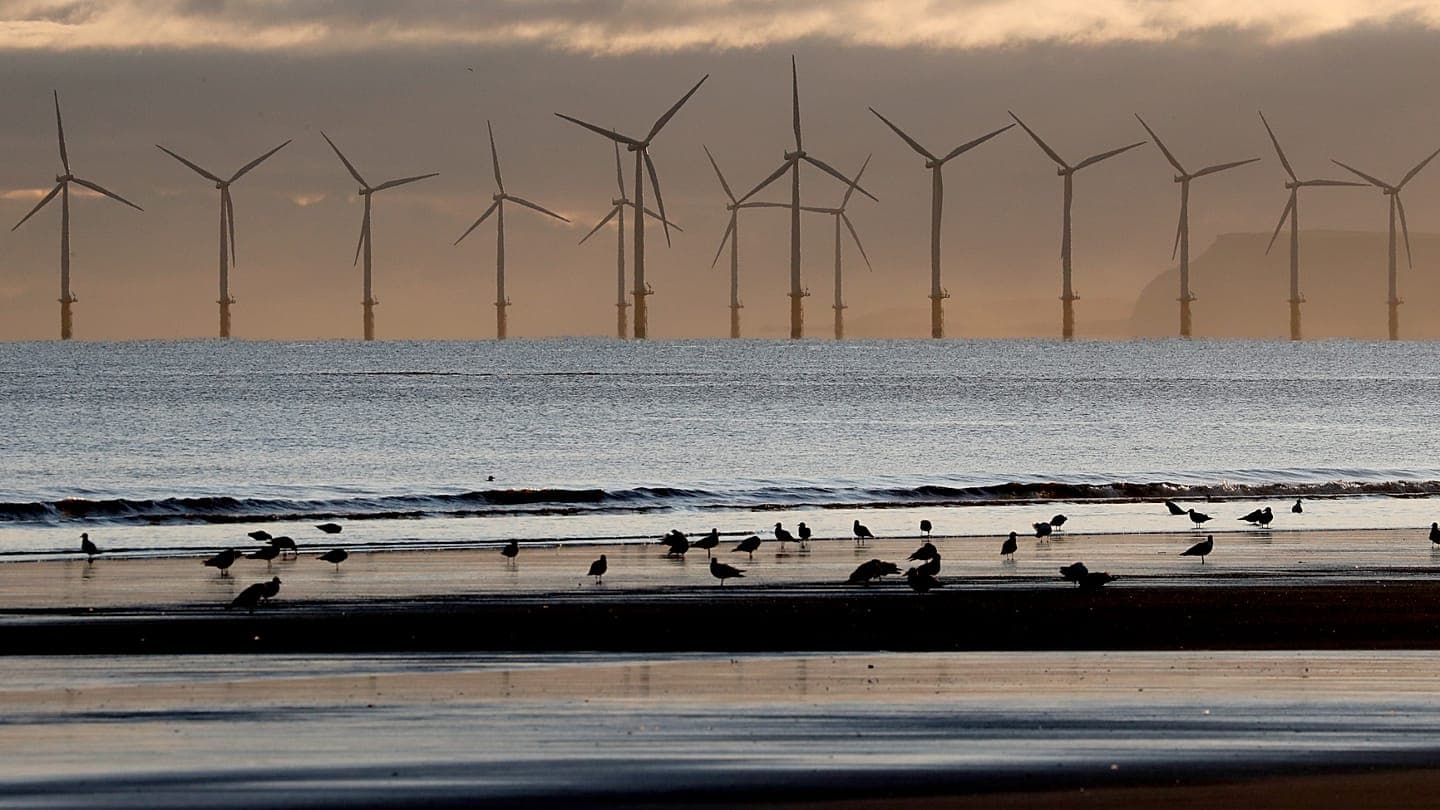
Norway is cited as a possible reference point for London: it participates in the EU internal market through the European Economic Area and contributes to grants for developing less prosperous regions — according to the Norwegian Mission to the EU, Oslo contributes about €391 million annually. The signatory countries, all connected to the North Sea energy system, argue that a deal would give businesses and investors predictability and unlock the region's offshore wind potential: the letter cites targets of up to 100 GW of joint projects and 300 GW of offshore wind capacity. The authors ask that the summit agree on a path to completing the already started negotiations on integrating the UK into the electricity market, as provided for in the bilateral Common Understanding. For context: in January 2026, EU energy ministers already committed to developing offshore wind energy in the North Sea, including plans for joint projects of up to 100 GW, which confirms the scale of the stated ambitions.